Combat stats, recruitment costs and explanations of special abilities. Browse by town, with all entries available without JavaScript.
147 profiles from the game-data extract for build 25672315, dated 10 October 2026: 126 town forms across six factions, Fire Larva and 20 neutral profiles, including temporary Avatar and conversion-acquired Lich Dragon. Both alternative upgrades have separate cards. Creature type, attacks, movement, morale and luck remain distinct; abilities list Focus cost and cooldown. Supplementary official-wiki revisions are cited separately. Public beta 0.82 has different balance and additional neutrals; those values are kept separate from this reference build.
Creature catalogue
147
No entry matches these filters. Clear a filter or try another term.
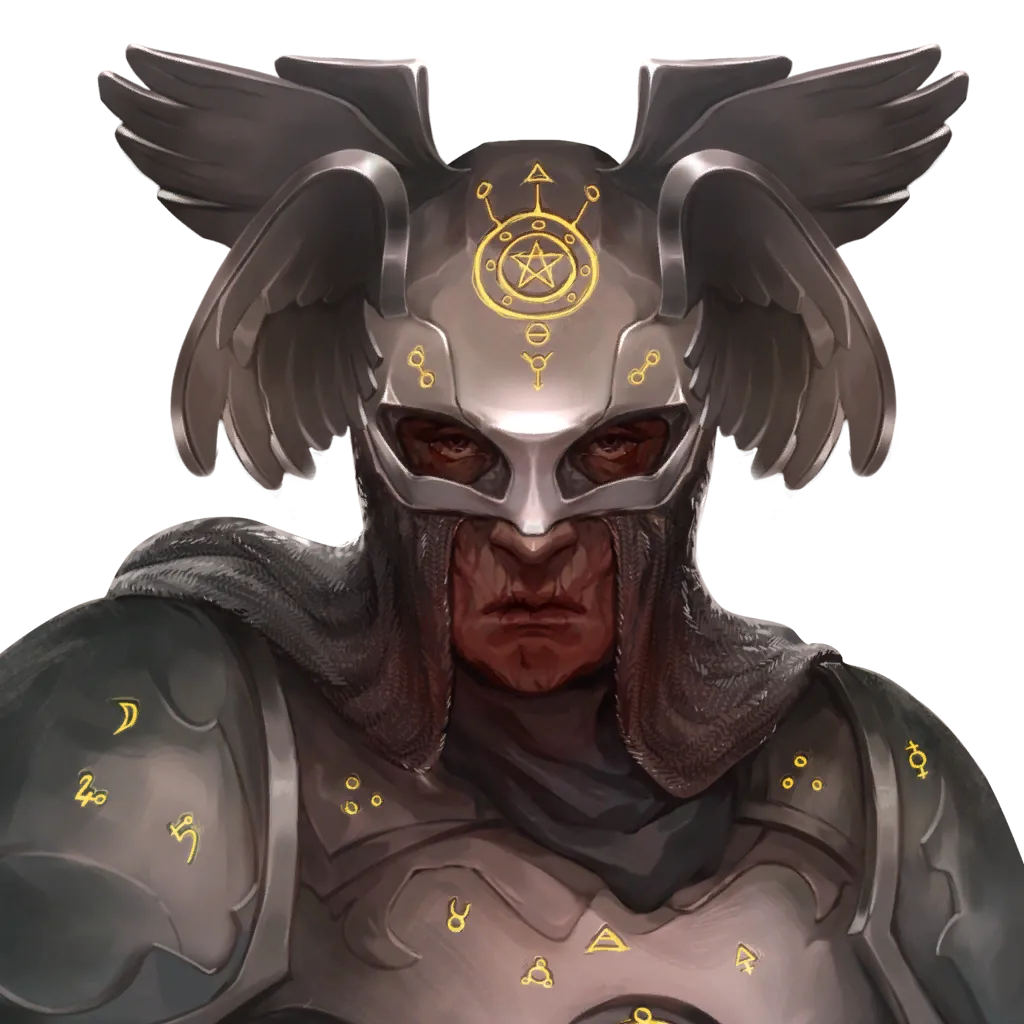
Angel needs line of sight to an important target. Position the screen against actual enemy reach; repeated ranged actions matter only when the enemy cannot quickly engage it.
Watch for: Distance, obstacles, engagement and ammunition are separate conditions. A ranged attribute alone does not guarantee full damage against every target.
Timing, specific abilities and the follow-up plan
Speed 4 and Initiative 8 govern different parts of the turn. This profile lists ability costs of 1 Focus charges; compare them with the shared pool, cooldown and competing activations.
Refract and Reflect: Copies its current beneficial effects onto the selected ally without triggering Forging Perfection again. Cost: 1 Focus charge(s); cooldown: 1 round(s).
Embodiment: Embodiments normally use −3 to +3 limits for both morale and luck. Their fallen creatures are ineligible for post-battle Necromancy.
Attack
30
Defense
30
Damage
50–75
Health
225
Speed / reach
4
Initiative
8
Movement type
Flying
Retaliations per round
1
Initial morale
0
Initial luck
0
Morale limits
-3 … 3
Luck limits
-3 … 3
Base weekly growth
1
Creature type
Embodiment
Cost per creature: 2400 gold + 1 gems
Reference build 25672315, data dated 2026-10-10. Public beta 0.82 values remain separate from this profile.
Abilities and limitations
Refract and Reflect
Copies its current beneficial effects onto the selected ally without triggering Forging Perfection again. Cost: 1 Focus charge(s); cooldown: 1 round(s).
Embodiment
Embodiments normally use −3 to +3 limits for both morale and luck. Their fallen creatures are ineligible for post-battle Necromancy.
Ranged Attack
Can shoot distant targets. An adjacent enemy replaces ordinary shooting with a half-damage melee strike. Targets at least three hexes away incur the reference distance penalty of 10% per hex, capped at 50%.
Flying
Movement bypasses obstacles and traps. Flying alone grants neither a ranged attack nor damage immunity.
Forging Perfection
Also receives beneficial effects applied to allies, retaining their strength and duration. One effect applied to several stacks is copied only once.
Archangel needs line of sight to an important target. Position the screen against actual enemy reach; repeated ranged actions matter only when the enemy cannot quickly engage it.
Watch for: Distance, obstacles, engagement and ammunition are separate conditions. A ranged attribute alone does not guarantee full damage against every target.
Timing, specific abilities and the follow-up plan
Speed 5 and Initiative 12 govern different parts of the turn. This profile lists ability costs of 1/2 Focus charges; compare them with the shared pool, cooldown and competing activations.
Refract and Reflect: Copies its current beneficial effects onto the selected ally without triggering Forging Perfection again. Cost: 1 Focus charge(s); cooldown: 1 round(s).
Devouring Chalice: Removes enemy beneficial effects within one hex of the selected location and transfers them to this stack. Both enemy placement and effect value matter. Cost: 2 Focus charge(s); cooldown: 2 round(s).
Attack
35
Defense
30
Damage
50–75
Health
225
Speed / reach
5
Initiative
12
Movement type
Flying
Retaliations per round
1
Initial morale
0
Initial luck
0
Morale limits
-3 … 3
Luck limits
-3 … 3
Base weekly growth
1
Creature type
Embodiment
Cost per creature: 4000 gold + 2 gems
Reference build 25672315, data dated 2026-10-10. Public beta 0.82 values remain separate from this profile.
Abilities and limitations
Refract and Reflect
Copies its current beneficial effects onto the selected ally without triggering Forging Perfection again. Cost: 1 Focus charge(s); cooldown: 1 round(s).
Devouring Chalice
Removes enemy beneficial effects within one hex of the selected location and transfers them to this stack. Both enemy placement and effect value matter. Cost: 2 Focus charge(s); cooldown: 2 round(s).
Embodiment
Embodiments normally use −3 to +3 limits for both morale and luck. Their fallen creatures are ineligible for post-battle Necromancy.
Ranged Attack
This profile permits shooting at any distance. Separate Sharpshooter and Duelist traits establish removal of the respective distance and melee penalties.
Sharpshooter
Shooting ignores the distance damage penalty. Separate abilities govern any restriction caused by an adjacent enemy.
Duelist
Close combat does not reduce this creature’s damage. This trait does not itself alter movement range.
Flying
Movement bypasses obstacles and traps. Flying alone grants neither a ranged attack nor damage immunity.
Forging Perfection
Also receives beneficial effects applied to allies, retaining their strength and duration. One effect applied to several stacks is copied only once.
Apotheosis needs line of sight to an important target. Position the screen against actual enemy reach; repeated ranged actions matter only when the enemy cannot quickly engage it.
Watch for: Distance, obstacles, engagement and ammunition are separate conditions. A ranged attribute alone does not guarantee full damage against every target.
Timing, specific abilities and the follow-up plan
Speed 10 and Initiative 10 govern different parts of the turn. This profile lists ability costs of 1/2 Focus charges; compare them with the shared pool, cooldown and competing activations.
Refract and Reflect: Copies its current beneficial effects onto the selected ally without triggering Forging Perfection again. Cost: 1 Focus charge(s); cooldown: 1 round(s).
Unbending Pride: Creates a barrier that blocks the next damage instance. It is not unlimited protection against every hit in the round. Cost: 2 Focus charge(s); cooldown: 2 round(s).
Attack
30
Defense
35
Damage
50–75
Health
300
Speed / reach
10
Initiative
10
Movement type
Flying
Retaliations per round
1
Initial morale
0
Initial luck
0
Morale limits
-3 … 3
Luck limits
-3 … 3
Base weekly growth
1
Creature type
Embodiment
Cost per creature: 4000 gold + 2 gems
Reference build 25672315, data dated 2026-10-10. Public beta 0.82 values remain separate from this profile.
Abilities and limitations
Refract and Reflect
Copies its current beneficial effects onto the selected ally without triggering Forging Perfection again. Cost: 1 Focus charge(s); cooldown: 1 round(s).
Unbending Pride
Creates a barrier that blocks the next damage instance. It is not unlimited protection against every hit in the round. Cost: 2 Focus charge(s); cooldown: 2 round(s).
Embodiment
Embodiments normally use −3 to +3 limits for both morale and luck. Their fallen creatures are ineligible for post-battle Necromancy.
Ranged Attack
Can shoot distant targets. An adjacent enemy replaces ordinary shooting with a half-damage melee strike. Targets at least three hexes away incur the reference distance penalty of 10% per hex, capped at 50%.
Flying
Movement bypasses obstacles and traps. Flying alone grants neither a ranged attack nor damage immunity.
Duelist
Close combat does not reduce this creature’s damage. This trait does not itself alter movement range.
Forging Perfection
Also receives beneficial effects applied to allies, retaining their strength and duration. One effect applied to several stacks is copied only once.
Purity Aura
Protects this creature and adjacent allied stacks against harmful effects. Maintaining adjacency is part of the protection.
Animated Armor should take reachable melee exchanges or hold an approach to more valuable units. Before advancing, identify its next target and enemies able to attack it afterward.
Watch for: Base stats are not the final exchange result. Account for retaliation, current creature count, target immunity and subsequent action order.
Timing, specific abilities and the follow-up plan
Speed 4 and Initiative 1 govern different parts of the turn. Check the particular ability for alternative free attacks.
Construct: Constructs ignore morale and luck. Their casualties cannot supply post-battle Necromancy.
Melee Attack: Its ordinary attack requires an adjacent enemy and can provoke retaliation. Particular abilities may alter those rules for their own strike.
Attack
4
Defense
8
Damage
4–12
Health
25
Speed / reach
4
Initiative
1
Movement type
Ground
Retaliations per round
1
Initial morale
0
Initial luck
0
Morale limits
Unaffected
Luck limits
Unaffected
Base weekly growth
32
Creature type
Construct
Cost per creature: 300 gold
Neutral classification does not guarantee availability on every map. Growth and price are reference values; check the actual dwelling, map object or other acquisition method.
Reference build 25672315, data dated 2026-10-10. Public beta 0.82 values remain separate from this profile.
Abilities and limitations
Construct
Constructs ignore morale and luck. Their casualties cannot supply post-battle Necromancy.
Melee Attack
Its ordinary attack requires an adjacent enemy and can provoke retaliation. Particular abilities may alter those rules for their own strike.
Melee Defense III
Reduces incoming melee damage by 60%. This protects against the specified damage type; evaluate other attacks and changes to the defense attribute separately.
Ranged Defense III
Reduces incoming ranged damage by 60%. This protects against the specified damage type; evaluate other attacks and changes to the defense attribute separately.
Magic Defense III
Reduces incoming Magic damage by 60%. This protects against the specified damage type; evaluate other attacks and changes to the defense attribute separately.
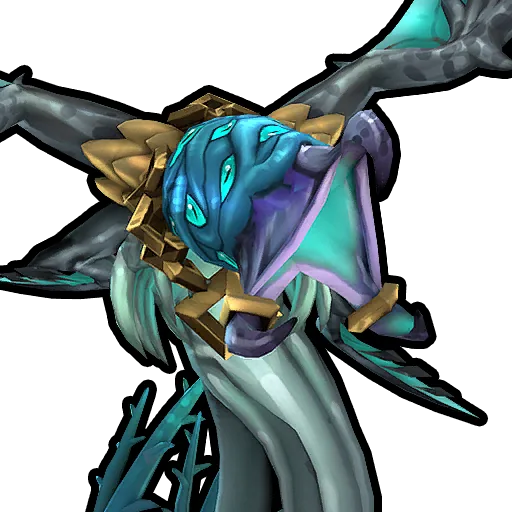
Naiad needs line of sight to an important target. Position the screen against actual enemy reach; repeated ranged actions matter only when the enemy cannot quickly engage it.
Watch for: Distance, obstacles, engagement and ammunition are separate conditions. A ranged attribute alone does not guarantee full damage against every target.
Timing, specific abilities and the follow-up plan
Speed 5 and Initiative 5 govern different parts of the turn. This profile lists ability costs of 3 Focus charges; compare them with the shared pool, cooldown and competing activations.
Awaken: Water I: Once per battle, adds 2 speed, 2 initiative and 15 health per creature. The stack can shoot while an enemy is adjacent. These changes last for the battle. Cost: 3 Focus charge(s); cooldown: 1 round(s).
Embodiment: Embodiments normally use −3 to +3 limits for both morale and luck. Their fallen creatures are ineligible for post-battle Necromancy.
Attack
11
Defense
10
Damage
10–14
Health
40
Speed / reach
5
Initiative
5
Movement type
Teleport
Retaliations per round
1
Initial morale
0
Initial luck
0
Morale limits
-3 … 3
Luck limits
-3 … 3
Base weekly growth
4
Creature type
Embodiment
Cost per creature: 360 gold
Reference build 25672315, data dated 2026-10-10. Public beta 0.82 values remain separate from this profile.
Abilities and limitations
Awaken: Water I
Once per battle, adds 2 speed, 2 initiative and 15 health per creature. The stack can shoot while an enemy is adjacent. These changes last for the battle. Cost: 3 Focus charge(s); cooldown: 1 round(s).
Embodiment
Embodiments normally use −3 to +3 limits for both morale and luck. Their fallen creatures are ineligible for post-battle Necromancy.
Ranged Attack
Can shoot distant targets. An adjacent enemy replaces ordinary shooting with a half-damage melee strike. Targets at least three hexes away incur the reference distance penalty of 10% per hex, capped at 50%.
Blink
Teleports directly to the destination, bypassing obstacles and traps. The move’s own range still determines reachable destinations.
Embodiment of Water
Leaves no corpse and resists Ice Bolt and Circle of Winter. Other water effects require their own rule checks.
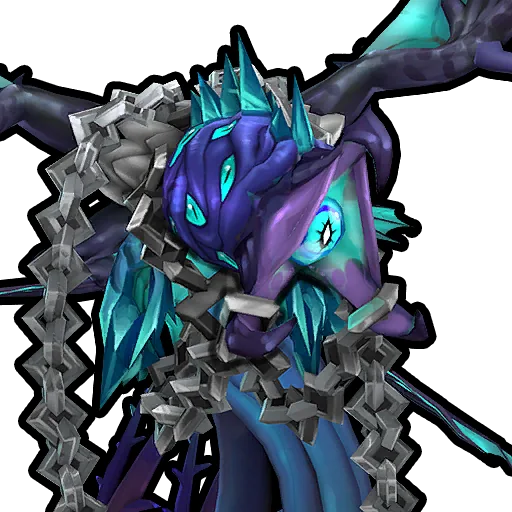
Vernal Naiad needs line of sight to an important target. Position the screen against actual enemy reach; repeated ranged actions matter only when the enemy cannot quickly engage it.
Watch for: Distance, obstacles, engagement and ammunition are separate conditions. A ranged attribute alone does not guarantee full damage against every target.
Timing, specific abilities and the follow-up plan
Speed 6 and Initiative 7 govern different parts of the turn. This profile lists ability costs of 3/0 Focus charges; compare them with the shared pool, cooldown and competing activations.
Awaken: Water II: Once per battle, adds 2 speed, 2 initiative and 15 health per creature. The stack can shoot while an enemy is adjacent. These changes last for the battle. Awakening also unlocks this form’s other abilities. Cost: 3 Focus charge(s); cooldown: 1 round(s).
Rivulet Retreat: After Awaken, teleports to an unoccupied hex within four hexes. The supplementary wiki revision confirms no Focus cost, no cooldown and no turn ending. Cost: 0 Focus charge(s); cooldown: 0 round(s).
Attack
11
Defense
14
Damage
14–18
Health
40
Speed / reach
6
Initiative
7
Movement type
Teleport
Retaliations per round
1
Initial morale
0
Initial luck
0
Morale limits
-3 … 3
Luck limits
-3 … 3
Base weekly growth
4
Creature type
Embodiment
Cost per creature: 510 gold
Reference build 25672315, data dated 2026-10-10. Public beta 0.82 values remain separate from this profile.
Abilities and limitations
Awaken: Water II
Once per battle, adds 2 speed, 2 initiative and 15 health per creature. The stack can shoot while an enemy is adjacent. These changes last for the battle. Awakening also unlocks this form’s other abilities. Cost: 3 Focus charge(s); cooldown: 1 round(s).
Rivulet Retreat
After Awaken, teleports to an unoccupied hex within four hexes. The supplementary wiki revision confirms no Focus cost, no cooldown and no turn ending. Cost: 0 Focus charge(s); cooldown: 0 round(s).
Embodiment
Embodiments normally use −3 to +3 limits for both morale and luck. Their fallen creatures are ineligible for post-battle Necromancy.
Ranged Attack
Can shoot distant targets. An adjacent enemy replaces ordinary shooting with a half-damage melee strike. Targets at least three hexes away incur the reference distance penalty of 10% per hex, capped at 50%.
Blink
Teleports directly to the destination, bypassing obstacles and traps. The move’s own range still determines reachable destinations.
Embodiment of Water
Leaves no corpse and resists Ice Bolt and Circle of Winter. Other water effects require their own rule checks.
Brumal Naiad needs line of sight to an important target. Position the screen against actual enemy reach; repeated ranged actions matter only when the enemy cannot quickly engage it.
Watch for: Distance, obstacles, engagement and ammunition are separate conditions. A ranged attribute alone does not guarantee full damage against every target.
Timing, specific abilities and the follow-up plan
Speed 5 and Initiative 6 govern different parts of the turn. This profile lists ability costs of 3/2 Focus charges; compare them with the shared pool, cooldown and competing activations.
Awaken: Water II: Once per battle, adds 2 speed, 2 initiative and 15 health per creature. The stack can shoot while an enemy is adjacent. These changes last for the battle. Awakening also unlocks this form’s other abilities. Cost: 3 Focus charge(s); cooldown: 1 round(s).
Whirlpool: Lowers the chosen enemy’s speed and initiative by 2 for three rounds, changing both reach and action order. Cost: 2 Focus charge(s); cooldown: 2 round(s).
Attack
15
Defense
10
Damage
14–18
Health
40
Speed / reach
5
Initiative
6
Movement type
Teleport
Retaliations per round
1
Initial morale
0
Initial luck
0
Morale limits
-3 … 3
Luck limits
-3 … 3
Base weekly growth
4
Creature type
Embodiment
Cost per creature: 510 gold
Reference build 25672315, data dated 2026-10-10. Public beta 0.82 values remain separate from this profile.
Abilities and limitations
Awaken: Water II
Once per battle, adds 2 speed, 2 initiative and 15 health per creature. The stack can shoot while an enemy is adjacent. These changes last for the battle. Awakening also unlocks this form’s other abilities. Cost: 3 Focus charge(s); cooldown: 1 round(s).
Whirlpool
Lowers the chosen enemy’s speed and initiative by 2 for three rounds, changing both reach and action order. Cost: 2 Focus charge(s); cooldown: 2 round(s).
Embodiment
Embodiments normally use −3 to +3 limits for both morale and luck. Their fallen creatures are ineligible for post-battle Necromancy.
Ranged Attack
Can shoot distant targets. An adjacent enemy replaces ordinary shooting with a half-damage melee strike. Targets at least three hexes away incur the reference distance penalty of 10% per hex, capped at 50%.
Blink
Teleports directly to the destination, bypassing obstacles and traps. The move’s own range still determines reachable destinations.
Embodiment of Water
Leaves no corpse and resists Ice Bolt and Circle of Winter. Other water effects require their own rule checks.
Icy Veins
A struck target cannot regain health by any means for the remainder of the round. Healing outside that interval is evaluated separately.
Arbitrator needs line of sight to an important target. Position the screen against actual enemy reach; repeated ranged actions matter only when the enemy cannot quickly engage it.
Watch for: Distance, obstacles, engagement and ammunition are separate conditions. A ranged attribute alone does not guarantee full damage against every target.
Timing, specific abilities and the follow-up plan
Speed 4 and Initiative 5 govern different parts of the turn. This profile lists ability costs of 2 Focus charges; compare them with the shared pool, cooldown and competing activations.
Command: Reposition: Moves an allied stack to an empty hex within four hexes of its original position, supporting escape or attack setup. Cost: 2 Focus charge(s); cooldown: 2 round(s).
Command: Fear: Moves an enemy stack to a free hex within four hexes of its original position, potentially breaking a protective formation. Cost: 2 Focus charge(s); cooldown: 2 round(s).
Attack
20
Defense
20
Damage
18–22
Health
75
Speed / reach
4
Initiative
5
Movement type
Ground
Retaliations per round
1
Initial morale
0
Initial luck
0
Morale limits
-5 … 5
Luck limits
-3 … 3
Base weekly growth
2
Creature type
Living
Cost per creature: 1200 gold
Reference build 25672315, data dated 2026-10-10. Public beta 0.82 values remain separate from this profile.
Abilities and limitations
Command: Reposition
Moves an allied stack to an empty hex within four hexes of its original position, supporting escape or attack setup. Cost: 2 Focus charge(s); cooldown: 2 round(s).
Command: Fear
Moves an enemy stack to a free hex within four hexes of its original position, potentially breaking a protective formation. Cost: 2 Focus charge(s); cooldown: 2 round(s).
Living
Living creatures normally have morale limits of −5 to +5 and luck limits of −3 to +3. Their casualties can supply post-battle Necromancy.
Ranged Attack
Can shoot distant targets. An adjacent enemy replaces ordinary shooting with a half-damage melee strike. Targets at least three hexes away incur the reference distance penalty of 10% per hex, capped at 50%.
Paradoxical Shots
Beyond three hexes, replaces the ordinary distance penalty with a 10% per-hex bonus, capped at 50%. An adjacent enemy still causes a half-damage melee attack.
Power of the Abyss
Adds 20 to the allied hero’s maximum mana. Multiple copies of this support do not accumulate.
Rift Arbitrator needs line of sight to an important target. Position the screen against actual enemy reach; repeated ranged actions matter only when the enemy cannot quickly engage it.
Watch for: Distance, obstacles, engagement and ammunition are separate conditions. A ranged attribute alone does not guarantee full damage against every target.
Timing, specific abilities and the follow-up plan
Speed 5 and Initiative 10 govern different parts of the turn. This profile lists ability costs of 2/3 Focus charges; compare them with the shared pool, cooldown and competing activations.
Command: Reposition: Moves an allied stack to an empty hex within four hexes of its original position, supporting escape or attack setup. Cost: 2 Focus charge(s); cooldown: 2 round(s).
Command: Fear: Moves an enemy stack to a free hex within four hexes of its original position, potentially breaking a protective formation. Cost: 2 Focus charge(s); cooldown: 2 round(s).
Attack
26
Defense
28
Damage
18–22
Health
75
Speed / reach
5
Initiative
10
Movement type
Ground
Retaliations per round
1
Initial morale
0
Initial luck
0
Morale limits
-5 … 5
Luck limits
-3 … 3
Base weekly growth
2
Creature type
Living
Cost per creature: 1900 gold
Reference build 25672315, data dated 2026-10-10. Public beta 0.82 values remain separate from this profile.
Abilities and limitations
Command: Reposition
Moves an allied stack to an empty hex within four hexes of its original position, supporting escape or attack setup. Cost: 2 Focus charge(s); cooldown: 2 round(s).
Command: Fear
Moves an enemy stack to a free hex within four hexes of its original position, potentially breaking a protective formation. Cost: 2 Focus charge(s); cooldown: 2 round(s).
Disgorge Storm
Deals 25 Pure damage to every enemy and removes 1 speed and initiative for two rounds. The reference does not multiply this fixed hit by creature count. Cost: 3 Focus charge(s); cooldown: 3 round(s).
Living
Living creatures normally have morale limits of −5 to +5 and luck limits of −3 to +3. Their casualties can supply post-battle Necromancy.
Ranged Attack
Can shoot distant targets. An adjacent enemy replaces ordinary shooting with a half-damage melee strike. Targets at least three hexes away incur the reference distance penalty of 10% per hex, capped at 50%.
Paradoxical Shots
Beyond three hexes, replaces the ordinary distance penalty with a 10% per-hex bonus, capped at 50%. An adjacent enemy still causes a half-damage melee attack.
Power of the Abyss
Adds 20 to the allied hero’s maximum mana. Multiple copies of this support do not accumulate.
Bloated Arbitrator needs line of sight to an important target. Position the screen against actual enemy reach; repeated ranged actions matter only when the enemy cannot quickly engage it.
Watch for: Distance, obstacles, engagement and ammunition are separate conditions. A ranged attribute alone does not guarantee full damage against every target.
Timing, specific abilities and the follow-up plan
Speed 5 and Initiative 8 govern different parts of the turn. This profile lists ability costs of 2/3 Focus charges; compare them with the shared pool, cooldown and competing activations.
Command: Switch Places: Swaps two creatures positioned no more than eight hexes apart. Evaluate both stacks’ resulting neighbours before activation. Cost: 2 Focus charge(s); cooldown: 2 round(s).
Frozen Pages: Locks the enemy hero’s spellbook for the rest of the round. Copies do not accumulate; hero abilities follow separate rules. Cost: 3 Focus charge(s); cooldown: 3 round(s).
Attack
28
Defense
22
Damage
22–26
Health
75
Speed / reach
5
Initiative
8
Movement type
Ground
Retaliations per round
1
Initial morale
0
Initial luck
0
Morale limits
-5 … 5
Luck limits
-3 … 3
Base weekly growth
2
Creature type
Living
Cost per creature: 1900 gold
Reference build 25672315, data dated 2026-10-10. Public beta 0.82 values remain separate from this profile.
Abilities and limitations
Command: Switch Places
Swaps two creatures positioned no more than eight hexes apart. Evaluate both stacks’ resulting neighbours before activation. Cost: 2 Focus charge(s); cooldown: 2 round(s).
Frozen Pages
Locks the enemy hero’s spellbook for the rest of the round. Copies do not accumulate; hero abilities follow separate rules. Cost: 3 Focus charge(s); cooldown: 3 round(s).
Living
Living creatures normally have morale limits of −5 to +5 and luck limits of −3 to +3. Their casualties can supply post-battle Necromancy.
Ranged Attack
Can shoot distant targets. An adjacent enemy replaces ordinary shooting with a half-damage melee strike. Targets at least three hexes away incur the reference distance penalty of 10% per hex, capped at 50%.
Paradoxical Shots
Beyond three hexes, replaces the ordinary distance penalty with a 10% per-hex bonus, capped at 50%. An adjacent enemy still causes a half-damage melee attack.
Slimy Touch
An attack adds 4 × own creature count Pure damage and lowers the target’s speed and initiative by 1 for the round. The debuff does not accumulate.
Power of the Abyss
Adds 20 to the allied hero’s maximum mana. Multiple copies of this support do not accumulate.
Infiltrator should take reachable melee exchanges or hold an approach to more valuable units. Before advancing, identify its next target and enemies able to attack it afterward.
Watch for: Base stats are not the final exchange result. Account for retaliation, current creature count, target immunity and subsequent action order.
Timing, specific abilities and the follow-up plan
Speed 5 and Initiative 6 govern different parts of the turn. Check the particular ability for alternative free attacks.
Melee Attack: Its ordinary attack requires an adjacent enemy and can provoke retaliation. Particular abilities may alter those rules for their own strike.
Blink: Teleports directly to the destination, bypassing obstacles and traps. The move’s own range still determines reachable destinations.
Attack
6
Defense
4
Damage
3–6
Health
13
Speed / reach
5
Initiative
6
Movement type
Teleport
Retaliations per round
1
Initial morale
0
Initial luck
1
Morale limits
-5 … 5
Luck limits
-3 … 5
Base weekly growth
13
Creature type
Living
Cost per creature: 120 gold
Reference build 25672315, data dated 2026-10-10. Public beta 0.82 values remain separate from this profile.
Abilities and limitations
Living
Living creatures normally have morale limits of −5 to +5 and luck limits of −3 to +3. Their casualties can supply post-battle Necromancy.
Melee Attack
Its ordinary attack requires an adjacent enemy and can provoke retaliation. Particular abilities may alter those rules for their own strike.
Blink
Teleports directly to the destination, bypassing obstacles and traps. The move’s own range still determines reachable destinations.
Weak Spot
Lucky strikes gain 100% damage and this creature’s maximum luck becomes 5. Distinguish the cap from its initial luck value.
Guile Infiltrator should take reachable melee exchanges or hold an approach to more valuable units. Before advancing, identify its next target and enemies able to attack it afterward.
Watch for: Base stats are not the final exchange result. Account for retaliation, current creature count, target immunity and subsequent action order.
Timing, specific abilities and the follow-up plan
Speed 7 and Initiative 6 govern different parts of the turn. This profile lists ability costs of 2 Focus charges; compare them with the shared pool, cooldown and competing activations.
Shadowstrike: Delivers basic-attack damage to the selected enemy while bypassing its defense. This is a separate activated ability. Cost: 2 Focus charge(s); cooldown: 2 round(s).
Melee Attack: Its ordinary attack requires an adjacent enemy and can provoke retaliation. Particular abilities may alter those rules for their own strike.
Attack
6
Defense
4
Damage
3–6
Health
13
Speed / reach
7
Initiative
6
Movement type
Teleport
Retaliations per round
1
Initial morale
0
Initial luck
2
Morale limits
-5 … 5
Luck limits
-3 … 5
Base weekly growth
13
Creature type
Living
Cost per creature: 160 gold
Reference build 25672315, data dated 2026-10-10. Public beta 0.82 values remain separate from this profile.
Abilities and limitations
Shadowstrike
Delivers basic-attack damage to the selected enemy while bypassing its defense. This is a separate activated ability. Cost: 2 Focus charge(s); cooldown: 2 round(s).
Living
Living creatures normally have morale limits of −5 to +5 and luck limits of −3 to +3. Their casualties can supply post-battle Necromancy.
Melee Attack
Its ordinary attack requires an adjacent enemy and can provoke retaliation. Particular abilities may alter those rules for their own strike.
Blink
Teleports directly to the destination, bypassing obstacles and traps. The move’s own range still determines reachable destinations.
Weak Spot
Lucky strikes gain 100% damage and this creature’s maximum luck becomes 5. Distinguish the cap from its initial luck value.
Staggering Hits
A hit prevents the victim from retaliating for the remainder of the round. Schedule allied follow-up attacks inside that window.
Bleak Infiltrator should take reachable melee exchanges or hold an approach to more valuable units. Before advancing, identify its next target and enemies able to attack it afterward.
Watch for: Base stats are not the final exchange result. Account for retaliation, current creature count, target immunity and subsequent action order.
Timing, specific abilities and the follow-up plan
Speed 6 and Initiative 9 govern different parts of the turn. This profile lists ability costs of 2 Focus charges; compare them with the shared pool, cooldown and competing activations.
Veil of Shadows: Prevents direct targeting of this creature for the rest of the round. This description does not establish universal immunity to area effects. Cost: 2 Focus charge(s); cooldown: 2 round(s).
Melee Attack: Its ordinary attack requires an adjacent enemy and can provoke retaliation. Particular abilities may alter those rules for their own strike.
Attack
6
Defense
4
Damage
3–6
Health
13
Speed / reach
6
Initiative
9
Movement type
Teleport
Retaliations per round
1
Initial morale
0
Initial luck
2
Morale limits
-5 … 5
Luck limits
-3 … 5
Base weekly growth
13
Creature type
Living
Cost per creature: 160 gold
Reference build 25672315, data dated 2026-10-10. Public beta 0.82 values remain separate from this profile.
Abilities and limitations
Veil of Shadows
Prevents direct targeting of this creature for the rest of the round. This description does not establish universal immunity to area effects. Cost: 2 Focus charge(s); cooldown: 2 round(s).
Living
Living creatures normally have morale limits of −5 to +5 and luck limits of −3 to +3. Their casualties can supply post-battle Necromancy.
Melee Attack
Its ordinary attack requires an adjacent enemy and can provoke retaliation. Particular abilities may alter those rules for their own strike.
Blink
Teleports directly to the destination, bypassing obstacles and traps. The move’s own range still determines reachable destinations.
Weak Spot
Lucky strikes gain 100% damage and this creature’s maximum luck becomes 5. Distinguish the cap from its initial luck value.
Sharper Blade
Each attack adds 1 luck. The resulting value remains subject to the applicable luck limit.
Treat an Avatar as a temporary summon from a particular hero. Place it where it blocks a dangerous approach or creates a useful action for the army.
Watch for: Reference baseline stats are not final summoning values. Three received hits and summoning limits do not become ordinary recruitment or unlimited survival.
Timing, specific abilities and the follow-up plan
Speed 5 and Initiative 5 govern different parts of the turn. Check the particular ability for alternative free attacks.
Embodiment: Embodiments normally use −3 to +3 limits for both morale and luck. Their fallen creatures are ineligible for post-battle Necromancy.
Melee Attack: Its ordinary attack requires an adjacent enemy and can provoke retaliation. Particular abilities may alter those rules for their own strike.
Attack
0
Defense
0
Damage
10–10
Health
3
Speed / reach
5
Initiative
5
Movement type
Teleport
Retaliations per round
1
Initial morale
0
Initial luck
0
Morale limits
-3 … 3
Luck limits
-3 … 3
Base weekly growth
—
Creature type
Embodiment
Cost per creature: Cannot be recruited normally
A temporary summoned creature, with no ordinary recruitment price. Reference parameters do not promise town recruitment.
Summon Avatar derives the creature’s actual parameters from its summoning hero. The listed 3 health and zero attack and defense are a reference baseline, not the final summoned result.
Reference build 25672315, data dated 2026-10-10. Public beta 0.82 values remain separate from this profile.
Abilities and limitations
Embodiment
Embodiments normally use −3 to +3 limits for both morale and luck. Their fallen creatures are ineligible for post-battle Necromancy.
Melee Attack
Its ordinary attack requires an adjacent enemy and can provoke retaliation. Particular abilities may alter those rules for their own strike.
Blink
Teleports directly to the destination, bypassing obstacles and traps. The move’s own range still determines reachable destinations.
Dread Knight should take reachable melee exchanges or hold an approach to more valuable units. Before advancing, identify its next target and enemies able to attack it afterward.
Watch for: Base stats are not the final exchange result. Account for retaliation, current creature count, target immunity and subsequent action order.
Timing, specific abilities and the follow-up plan
Speed 7 and Initiative 9 govern different parts of the turn. Check the particular ability for alternative free attacks.
Melee Attack: Its ordinary attack requires an adjacent enemy and can provoke retaliation. Particular abilities may alter those rules for their own strike.
Double Strike: An attack contains two strikes. This does not automatically grant two complete turns with additional movement.
Attack
19
Defense
18
Damage
12–14
Health
80
Speed / reach
7
Initiative
9
Movement type
Ground
Retaliations per round
1
Initial morale
0
Initial luck
0
Morale limits
Unaffected
Luck limits
-5 … 5
Base weekly growth
3
Creature type
Undead
Cost per creature: 700 gold
Reference build 25672315, data dated 2026-10-10. Public beta 0.82 values remain separate from this profile.
Abilities and limitations
Undead
Undead are unaffected by morale and normally allow luck from −5 to +5. Their own casualties cannot be processed again with post-battle Necromancy.
Melee Attack
Its ordinary attack requires an adjacent enemy and can provoke retaliation. Particular abilities may alter those rules for their own strike.
Double Strike
An attack contains two strikes. This does not automatically grant two complete turns with additional movement.
Dreadful Presence
Enemy stacks receive −1 morale. Multiple copies of this aura do not accumulate; the strongest version applies.
Avatar of War should take reachable melee exchanges or hold an approach to more valuable units. Before advancing, identify its next target and enemies able to attack it afterward.
Watch for: Base stats are not the final exchange result. Account for retaliation, current creature count, target immunity and subsequent action order.
Timing, specific abilities and the follow-up plan
Speed 8 and Initiative 10 govern different parts of the turn. Check the particular ability for alternative free attacks.
Melee Attack: Its ordinary attack requires an adjacent enemy and can provoke retaliation. Particular abilities may alter those rules for their own strike.
Double Strike: An attack contains two strikes. This does not automatically grant two complete turns with additional movement.
Attack
19
Defense
20
Damage
18–20
Health
80
Speed / reach
8
Initiative
10
Movement type
Ground
Retaliations per round
1
Initial morale
0
Initial luck
0
Morale limits
Unaffected
Luck limits
-5 … 5
Base weekly growth
3
Creature type
Undead
Cost per creature: 1100 gold
Reference build 25672315, data dated 2026-10-10. Public beta 0.82 values remain separate from this profile.
Abilities and limitations
Undead
Undead are unaffected by morale and normally allow luck from −5 to +5. Their own casualties cannot be processed again with post-battle Necromancy.
Melee Attack
Its ordinary attack requires an adjacent enemy and can provoke retaliation. Particular abilities may alter those rules for their own strike.
Double Strike
An attack contains two strikes. This does not automatically grant two complete turns with additional movement.
Dreadful Presence
Enemy stacks receive −2 morale. Multiple copies of this aura do not accumulate; the strongest version applies.
War Incarnate
Each attack transfers 1 attack from the target to this creature for the rest of combat. The transfer cannot be dispelled.
Hollow Reaper should take reachable melee exchanges or hold an approach to more valuable units. Before advancing, identify its next target and enemies able to attack it afterward.
Watch for: Base stats are not the final exchange result. Account for retaliation, current creature count, target immunity and subsequent action order.
Timing, specific abilities and the follow-up plan
Speed 7 and Initiative 11 govern different parts of the turn. This profile lists ability costs of 2 Focus charges; compare them with the shared pool, cooldown and competing activations.
Reap Without Sowing: The activated strike covers the target and two enemies beside it. Compare their arrangement with the Focus cost before use. Cost: 2 Focus charge(s); cooldown: 2 round(s).
Melee Attack: Its ordinary attack requires an adjacent enemy and can provoke retaliation. Particular abilities may alter those rules for their own strike.
Attack
25
Defense
18
Damage
24–26
Health
80
Speed / reach
7
Initiative
11
Movement type
Ground
Retaliations per round
1
Initial morale
0
Initial luck
0
Morale limits
Unaffected
Luck limits
-5 … 5
Base weekly growth
3
Creature type
Undead
Cost per creature: 1100 gold
Reference build 25672315, data dated 2026-10-10. Public beta 0.82 values remain separate from this profile.
Abilities and limitations
Reap Without Sowing
The activated strike covers the target and two enemies beside it. Compare their arrangement with the Focus cost before use. Cost: 2 Focus charge(s); cooldown: 2 round(s).
Undead
Undead are unaffected by morale and normally allow luck from −5 to +5. Their own casualties cannot be processed again with post-battle Necromancy.
Melee Attack
Its ordinary attack requires an adjacent enemy and can provoke retaliation. Particular abilities may alter those rules for their own strike.
Dreadful Presence
Enemy stacks receive −2 morale. Multiple copies of this aura do not accumulate; the strongest version applies.
Death Stare
Alongside ordinary damage, each attack directly kills one additional target creature. Eligible victims are tier 7 or lower.
Hungering Hollow
A friendly creature’s death grants 3 attack for the rest of combat, so allied casualties change its subsequent strength.
Cave Dragon can change the contact point across obstacles. Choose a free reachable landing position that threatens an important target without exposing friendly shooters.
Watch for: Base stats are not the final exchange result. Account for retaliation, current creature count, target immunity and subsequent action order.
Timing, specific abilities and the follow-up plan
Speed 8 and Initiative 11 govern different parts of the turn. This profile lists ability costs of 3 Focus charges; compare them with the shared pool, cooldown and competing activations.
Inner Flame: Through the next round, being attacked in melee triggers Magic damage equal to 30 × this stack’s creature count. Cost: 3 Focus charge(s); cooldown: 3 round(s).
Melee Attack: Its ordinary attack requires an adjacent enemy and can provoke retaliation. Particular abilities may alter those rules for their own strike.
Attack
29
Defense
25
Damage
50–60
Health
275
Speed / reach
8
Initiative
11
Movement type
Flying
Retaliations per round
1
Initial morale
0
Initial luck
0
Morale limits
0 … 5
Luck limits
0 … 3
Base weekly growth
1
Creature type
Dragon
Cost per creature: 3000 gold + 1 gems
Reference build 25672315, data dated 2026-10-10. Public beta 0.82 values remain separate from this profile.
Abilities and limitations
Inner Flame
Through the next round, being attacked in melee triggers Magic damage equal to 30 × this stack’s creature count. Cost: 3 Focus charge(s); cooldown: 3 round(s).
Dragon
The Dragon type normally limits morale to 0–5 and luck to 0–3. Fallen Dragons can supply Necromancy.
Melee Attack
Its ordinary attack requires an adjacent enemy and can provoke retaliation. Particular abilities may alter those rules for their own strike.
Flying
Movement bypasses obstacles and traps. Flying alone grants neither a ranged attack nor damage immunity.
Dragonbreath Strike
Hits both the target and any creature directly behind it. Check whether an allied stack stands behind the enemy before attacking.
Spell Immunity IV
Spells of tiers 1–4 cannot affect this creature. Spell-tier immunity alone does not establish immunity to all Magic damage from attacks and abilities.
Black Dragon can change the contact point across obstacles. Choose a free reachable landing position that threatens an important target without exposing friendly shooters.
Watch for: Base stats are not the final exchange result. Account for retaliation, current creature count, target immunity and subsequent action order.
Timing, specific abilities and the follow-up plan
Speed 9 and Initiative 14 govern different parts of the turn. This profile lists ability costs of 3 Focus charges; compare them with the shared pool, cooldown and competing activations.
Inner Flame: Through the next round, being attacked in melee triggers Magic damage equal to 30 × this stack’s creature count. Cost: 3 Focus charge(s); cooldown: 3 round(s).
Melee Attack: Its ordinary attack requires an adjacent enemy and can provoke retaliation. Particular abilities may alter those rules for their own strike.
Attack
29
Defense
32
Damage
65–75
Health
350
Speed / reach
9
Initiative
14
Movement type
Flying
Retaliations per round
1
Initial morale
0
Initial luck
0
Morale limits
0 … 5
Luck limits
0 … 3
Base weekly growth
1
Creature type
Dragon
Cost per creature: 5000 gold + 2 gems
Reference build 25672315, data dated 2026-10-10. Public beta 0.82 values remain separate from this profile.
Abilities and limitations
Inner Flame
Through the next round, being attacked in melee triggers Magic damage equal to 30 × this stack’s creature count. Cost: 3 Focus charge(s); cooldown: 3 round(s).
Dragon
The Dragon type normally limits morale to 0–5 and luck to 0–3. Fallen Dragons can supply Necromancy.
Melee Attack
Its ordinary attack requires an adjacent enemy and can provoke retaliation. Particular abilities may alter those rules for their own strike.
Flying
Movement bypasses obstacles and traps. Flying alone grants neither a ranged attack nor damage immunity.
Dragonbreath Strike
Hits both the target and any creature directly behind it. Check whether an allied stack stands behind the enemy before attacking.
Spell Immunity V
Spells of tiers 1–5 cannot affect this creature. Spell-tier immunity alone does not establish immunity to all Magic damage from attacks and abilities.
Fires of Dominion
Allies gain 1 morale and luck while enemies lose the same amounts. Individual caps and immunities still limit the result.
Ashen Dragon can change the contact point across obstacles. Choose a free reachable landing position that threatens an important target without exposing friendly shooters.
Watch for: Base stats are not the final exchange result. Account for retaliation, current creature count, target immunity and subsequent action order.
Timing, specific abilities and the follow-up plan
Speed 11 and Initiative 12 govern different parts of the turn. This profile lists ability costs of 3/2 Focus charges; compare them with the shared pool, cooldown and competing activations.
Inner Flame: Through the next round, being attacked in melee triggers Magic damage equal to 30 × this stack’s creature count. Cost: 3 Focus charge(s); cooldown: 3 round(s).
Dragonflight: The build extract omits the effect description. The separately cited wiki revision describes moving to any hex, dealing basic-attack damage to all adjacent creatures and pushing them away where possible. Agreement with this build still needs confirmation. Cost: 2 Focus charge(s); cooldown: 2 round(s).
Attack
37
Defense
25
Damage
65–75
Health
300
Speed / reach
11
Initiative
12
Movement type
Flying
Retaliations per round
1
Initial morale
0
Initial luck
0
Morale limits
0 … 5
Luck limits
0 … 3
Base weekly growth
1
Creature type
Dragon
Cost per creature: 5000 gold + 2 gems
Reference build 25672315, data dated 2026-10-10. Public beta 0.82 values remain separate from this profile.
Abilities and limitations
Inner Flame
Through the next round, being attacked in melee triggers Magic damage equal to 30 × this stack’s creature count. Cost: 3 Focus charge(s); cooldown: 3 round(s).
Dragonflight
The build extract omits the effect description. The separately cited wiki revision describes moving to any hex, dealing basic-attack damage to all adjacent creatures and pushing them away where possible. Agreement with this build still needs confirmation. Cost: 2 Focus charge(s); cooldown: 2 round(s).
Dragon
The Dragon type normally limits morale to 0–5 and luck to 0–3. Fallen Dragons can supply Necromancy.
Melee Attack
Its ordinary attack requires an adjacent enemy and can provoke retaliation. Particular abilities may alter those rules for their own strike.
Flying
Movement bypasses obstacles and traps. Flying alone grants neither a ranged attack nor damage immunity.
Dragonbreath Strike
Hits both the target and any creature directly behind it. Check whether an allied stack stands behind the enemy before attacking.
Spell Immunity V
Spells of tiers 1–5 cannot affect this creature. Spell-tier immunity alone does not establish immunity to all Magic damage from attacks and abilities.
Dominating Presence
Adjacent enemy stacks always use their minimum damage roll. The dragon’s position therefore affects the value of enemy attacks too.
Onyx Dancer needs line of sight to an important target. Position the screen against actual enemy reach; repeated ranged actions matter only when the enemy cannot quickly engage it.
Watch for: Distance, obstacles, engagement and ammunition are separate conditions. A ranged attribute alone does not guarantee full damage against every target.
Timing, specific abilities and the follow-up plan
Speed 2 and Initiative 4 govern different parts of the turn. Check the particular ability for alternative free attacks.
A Thousand Cuts: Each attack lowers the target’s defense by 1 for the rest of combat. Repeated triggers accumulate.
Attack
8
Defense
8
Damage
5–7
Health
20
Speed / reach
2
Initiative
4
Movement type
Ground
Retaliations per round
1
Initial morale
0
Initial luck
0
Morale limits
-5 … 5
Luck limits
-3 … 3
Base weekly growth
8
Creature type
Living
Cost per creature: 165 gold
Reference build 25672315, data dated 2026-10-10. Public beta 0.82 values remain separate from this profile.
Abilities and limitations
Living
Living creatures normally have morale limits of −5 to +5 and luck limits of −3 to +3. Their casualties can supply post-battle Necromancy.
Ranged Attack
Can shoot distant targets. An adjacent enemy replaces ordinary shooting with a half-damage melee strike. Targets at least three hexes away incur the reference distance penalty of 10% per hex, capped at 50%.
A Thousand Cuts
Each attack lowers the target’s defense by 1 for the rest of combat. Repeated triggers accumulate.
Jasper Dancer needs line of sight to an important target. Position the screen against actual enemy reach; repeated ranged actions matter only when the enemy cannot quickly engage it.
Watch for: Distance, obstacles, engagement and ammunition are separate conditions. A ranged attribute alone does not guarantee full damage against every target.
Timing, specific abilities and the follow-up plan
Speed 4 and Initiative 5 govern different parts of the turn. Check the particular ability for alternative free attacks.
A Thousand Cuts: Each attack lowers the target’s defense by 1 for the rest of combat. Repeated triggers accumulate.
Draconic Blade: Melee attacks deal double damage. Do not automatically apply that multiplier to shooting or every activated ability.
Attack
8
Defense
8
Damage
5–7
Health
20
Speed / reach
4
Initiative
5
Movement type
Ground
Retaliations per round
1
Initial morale
0
Initial luck
0
Morale limits
-5 … 5
Luck limits
-3 … 3
Base weekly growth
8
Creature type
Living
Cost per creature: 230 gold
Reference build 25672315, data dated 2026-10-10. Public beta 0.82 values remain separate from this profile.
Abilities and limitations
Living
Living creatures normally have morale limits of −5 to +5 and luck limits of −3 to +3. Their casualties can supply post-battle Necromancy.
Ranged Attack
Can target distant enemies, with the reference penalty of 10% per hex from three hexes onward, capped at 50%. This form’s other traits determine its close-combat rules.
A Thousand Cuts
Each attack lowers the target’s defense by 1 for the rest of combat. Repeated triggers accumulate.
Draconic Blade
Melee attacks deal double damage. Do not automatically apply that multiplier to shooting or every activated ability.
Swift Strike
The victim cannot make an ordinary retaliation against this creature’s strike, helping it attack without paying that exchange cost.
Aureate Dancer needs line of sight to an important target. Position the screen against actual enemy reach; repeated ranged actions matter only when the enemy cannot quickly engage it.
Watch for: Distance, obstacles, engagement and ammunition are separate conditions. A ranged attribute alone does not guarantee full damage against every target.
Timing, specific abilities and the follow-up plan
Speed 3 and Initiative 7 govern different parts of the turn. Check the particular ability for alternative free attacks.
A Thousand Cuts: Each attack lowers the target’s defense by 2 for the rest of combat. Repeated triggers accumulate.
Attack
8
Defense
8
Damage
5–7
Health
20
Speed / reach
3
Initiative
7
Movement type
Ground
Retaliations per round
1
Initial morale
0
Initial luck
0
Morale limits
-5 … 5
Luck limits
-3 … 3
Base weekly growth
8
Creature type
Living
Cost per creature: 230 gold
Reference build 25672315, data dated 2026-10-10. Public beta 0.82 values remain separate from this profile.
Abilities and limitations
Living
Living creatures normally have morale limits of −5 to +5 and luck limits of −3 to +3. Their casualties can supply post-battle Necromancy.
Ranged Attack
Can shoot distant targets. An adjacent enemy replaces ordinary shooting with a half-damage melee strike. Targets at least three hexes away incur the reference distance penalty of 10% per hex, capped at 50%.
A Thousand Cuts
Each attack lowers the target’s defense by 2 for the rest of combat. Repeated triggers accumulate.
Couatl can change the contact point across obstacles. Choose a free reachable landing position that threatens an important target without exposing friendly shooters.
Watch for: Base stats are not the final exchange result. Account for retaliation, current creature count, target immunity and subsequent action order.
Timing, specific abilities and the follow-up plan
Speed 8 and Initiative 12 govern different parts of the turn. Check the particular ability for alternative free attacks.
Magic Creature: This type normally allows morale from −3 to +3 and luck from −5 to +5. Casualties can supply Necromancy; individual immunities apply separately.
Melee Attack: Its ordinary attack requires an adjacent enemy and can provoke retaliation. Particular abilities may alter those rules for their own strike.
Attack
26
Defense
19
Damage
21–28
Health
95
Speed / reach
8
Initiative
12
Movement type
Flying
Retaliations per round
1
Initial morale
0
Initial luck
0
Morale limits
-3 … 3
Luck limits
-5 … 5
Base weekly growth
4
Creature type
Magic Creature
Cost per creature: 1600 gold
Neutral classification does not guarantee availability on every map. Growth and price are reference values; check the actual dwelling, map object or other acquisition method.
Reference build 25672315, data dated 2026-10-10. Public beta 0.82 values remain separate from this profile.
Abilities and limitations
Magic Creature
This type normally allows morale from −3 to +3 and luck from −5 to +5. Casualties can supply Necromancy; individual immunities apply separately.
Melee Attack
Its ordinary attack requires an adjacent enemy and can provoke retaliation. Particular abilities may alter those rules for their own strike.
Flying
Movement bypasses obstacles and traps. Flying alone grants neither a ranged attack nor damage immunity.
Absolute Resistance
Magic damage cannot injure this creature. Pure damage and other attack types require separate evaluation.
Primal Stubbornness
A harmful effect cannot remain on this creature longer than one round. This limits duration rather than automatically cancelling the initial hit.
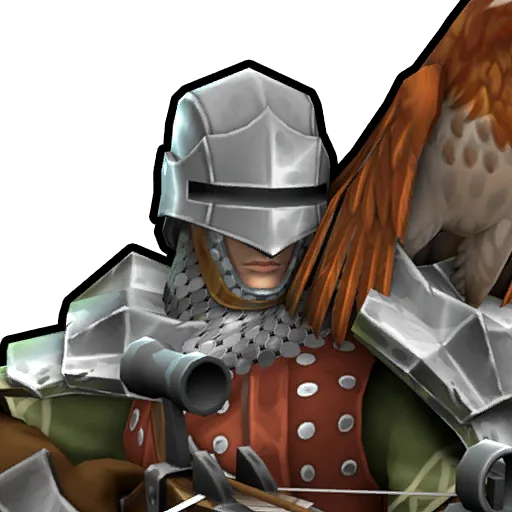
Before Fine Bolts compare its cost and cooldown with competing uses of shared Focus. A ranged activation helps only when the stack gets a useful shot.
Watch for: Focus points are not full charges. Do not grant Austringer or Marksman abilities to base Crossbowmen; the profile retains its dated build.
Timing, specific abilities and the follow-up plan
Speed 3 and Initiative 4 govern different parts of the turn. This profile lists ability costs of 2 Focus charges; compare them with the shared pool, cooldown and competing activations.
Fine Bolts: Raises ranged damage by 20% for two rounds. Secure a firing position to benefit from the bonus. Cost: 2 Focus charge(s); cooldown: 2 round(s).
View from the Heavens: Its presence in the army adds 1 to the hero’s adventure-map sight radius. Multiple copies do not add repeated bonuses.
Attack
5
Defense
3
Damage
3–4
Health
10
Speed / reach
3
Initiative
4
Movement type
Ground
Retaliations per round
1
Initial morale
0
Initial luck
0
Morale limits
-5 … 5
Luck limits
-3 … 3
Base weekly growth
14
Creature type
Living
Cost per creature: 95 gold
Reference build 25672315, data dated 2026-10-10. Public beta 0.82 values remain separate from this profile.
Abilities and limitations
Fine Bolts
Raises ranged damage by 20% for two rounds. Secure a firing position to benefit from the bonus. Cost: 2 Focus charge(s); cooldown: 2 round(s).
Living
Living creatures normally have morale limits of −5 to +5 and luck limits of −3 to +3. Their casualties can supply post-battle Necromancy.
Ranged Attack
Can shoot distant targets. An adjacent enemy replaces ordinary shooting with a half-damage melee strike. Targets at least three hexes away incur the reference distance penalty of 10% per hex, capped at 50%.
View from the Heavens
Its presence in the army adds 1 to the hero’s adventure-map sight radius. Multiple copies do not add repeated bonuses.
Heroes connected to this creature
Sourced creature specialty (1)
This exact form is a confirmed specialty target. Judge commanded-creature bonuses separately from town recruitment growth; the base and alternative upgrades belong to one line. The hero profile explains the numerical effect and actual reference stacks.
Austringer needs line of sight to an important target. Position the screen against actual enemy reach; repeated ranged actions matter only when the enemy cannot quickly engage it.
Watch for: Distance, obstacles, engagement and ammunition are separate conditions. A ranged attribute alone does not guarantee full damage against every target.
Timing, specific abilities and the follow-up plan
Speed 4 and Initiative 4 govern different parts of the turn. This profile lists ability costs of 2 Focus charges; compare them with the shared pool, cooldown and competing activations.
Fine Bolts: Raises ranged damage by 20% for two rounds. Secure a firing position to benefit from the bonus. Cost: 2 Focus charge(s); cooldown: 2 round(s).
Double Shot: A ranged attack fires twice. The trait applies to shooting rather than automatically doubling every melee attack.
Attack
5
Defense
3
Damage
3–4
Health
10
Speed / reach
4
Initiative
4
Movement type
Ground
Retaliations per round
1
Initial morale
0
Initial luck
0
Morale limits
-5 … 5
Luck limits
-3 … 3
Base weekly growth
14
Creature type
Living
Cost per creature: 130 gold
Reference build 25672315, data dated 2026-10-10. Public beta 0.82 values remain separate from this profile.
Abilities and limitations
Fine Bolts
Raises ranged damage by 20% for two rounds. Secure a firing position to benefit from the bonus. Cost: 2 Focus charge(s); cooldown: 2 round(s).
Living
Living creatures normally have morale limits of −5 to +5 and luck limits of −3 to +3. Their casualties can supply post-battle Necromancy.
Ranged Attack
Can shoot distant targets. An adjacent enemy replaces ordinary shooting with a half-damage melee strike. Targets at least three hexes away incur the reference distance penalty of 10% per hex, capped at 50%.
Double Shot
A ranged attack fires twice. The trait applies to shooting rather than automatically doubling every melee attack.
View from the Heavens
Its presence in the army adds 1 to the hero’s adventure-map sight radius. Multiple copies do not add repeated bonuses.
Heroes connected to this creature
Sourced creature specialty (1)
This exact form is a confirmed specialty target. Judge commanded-creature bonuses separately from town recruitment growth; the base and alternative upgrades belong to one line. The hero profile explains the numerical effect and actual reference stacks.
Marksman needs line of sight to an important target. Position the screen against actual enemy reach; repeated ranged actions matter only when the enemy cannot quickly engage it.
Watch for: Distance, obstacles, engagement and ammunition are separate conditions. A ranged attribute alone does not guarantee full damage against every target.
Timing, specific abilities and the follow-up plan
Speed 3 and Initiative 6 govern different parts of the turn. This profile lists ability costs of 2/1 Focus charges; compare them with the shared pool, cooldown and competing activations.
Fine Bolts: Raises ranged damage by 40% for two rounds. Secure a firing position to benefit from the bonus. Cost: 2 Focus charge(s); cooldown: 2 round(s).
Piercing Shot: Deals half basic-attack damage, then makes the target receive 25% more damage until the round ends. Cost: 1 Focus charge(s); cooldown: 1 round(s).
Attack
6
Defense
3
Damage
3–4
Health
10
Speed / reach
3
Initiative
6
Movement type
Ground
Retaliations per round
1
Initial morale
0
Initial luck
0
Morale limits
-5 … 5
Luck limits
-3 … 3
Base weekly growth
14
Creature type
Living
Cost per creature: 130 gold
Reference build 25672315, data dated 2026-10-10. Public beta 0.82 values remain separate from this profile.
Abilities and limitations
Fine Bolts
Raises ranged damage by 40% for two rounds. Secure a firing position to benefit from the bonus. Cost: 2 Focus charge(s); cooldown: 2 round(s).
Piercing Shot
Deals half basic-attack damage, then makes the target receive 25% more damage until the round ends. Cost: 1 Focus charge(s); cooldown: 1 round(s).
Living
Living creatures normally have morale limits of −5 to +5 and luck limits of −3 to +3. Their casualties can supply post-battle Necromancy.
Ranged Attack
An adjacent enemy replaces ordinary shooting with a half-damage melee strike. This version does not itself list a distance penalty.
Sharpshooter
Shooting ignores the distance damage penalty. Separate abilities govern any restriction caused by an adjacent enemy.
View from the Heavens
Its presence in the army adds 1 to the hero’s adventure-map sight radius. Multiple copies do not add repeated bonuses.
Heroes connected to this creature
Sourced creature specialty (1)
This exact form is a confirmed specialty target. Judge commanded-creature bonuses separately from town recruitment growth; the base and alternative upgrades belong to one line. The hero profile explains the numerical effect and actual reference stacks.
Dragonslayer should take reachable melee exchanges or hold an approach to more valuable units. Before advancing, identify its next target and enemies able to attack it afterward.
Watch for: Base stats are not the final exchange result. Account for retaliation, current creature count, target immunity and subsequent action order.
Timing, specific abilities and the follow-up plan
Speed 6 and Initiative 9 govern different parts of the turn. This profile lists ability costs of 3 Focus charges; compare them with the shared pool, cooldown and competing activations.
Dragon’s Blood: Becomes immune to spells through the next round. Consider the resulting restriction on allied support spells as well. Cost: 3 Focus charge(s); cooldown: 3 round(s).
Melee Attack: Its ordinary attack requires an adjacent enemy and can provoke retaliation. Particular abilities may alter those rules for their own strike.
Attack
24
Defense
28
Damage
27–36
Health
85
Speed / reach
6
Initiative
9
Movement type
Ground
Retaliations per round
1
Initial morale
0
Initial luck
0
Morale limits
Unaffected
Luck limits
Unaffected
Base weekly growth
8
Creature type
Living
Cost per creature: 1600 gold
Neutral classification does not guarantee availability on every map. Growth and price are reference values; check the actual dwelling, map object or other acquisition method.
Reference build 25672315, data dated 2026-10-10. Public beta 0.82 values remain separate from this profile.
Abilities and limitations
Dragon’s Blood
Becomes immune to spells through the next round. Consider the resulting restriction on allied support spells as well. Cost: 3 Focus charge(s); cooldown: 3 round(s).
Living
Living creatures normally have morale limits of −5 to +5 and luck limits of −3 to +3. Their casualties can supply post-battle Necromancy.
Melee Attack
Its ordinary attack requires an adjacent enemy and can provoke retaliation. Particular abilities may alter those rules for their own strike.
Dissection
A hit applies a 2-round effect dealing 32 + 8 × attacking creature count damage at the target’s turn start. Repeated applications stack.
Dragon Hunter
Deals 100% extra damage against creatures of the Dragon type. Another creature’s name or appearance alone does not establish that type.
Red Dragon can change the contact point across obstacles. Choose a free reachable landing position that threatens an important target without exposing friendly shooters.
Watch for: Base stats are not the final exchange result. Account for retaliation, current creature count, target immunity and subsequent action order.
Timing, specific abilities and the follow-up plan
Speed 9 and Initiative 12 govern different parts of the turn. Check the particular ability for alternative free attacks.
Melee Attack: Its ordinary attack requires an adjacent enemy and can provoke retaliation. Particular abilities may alter those rules for their own strike.
Dragonbreath Strike: Hits both the target and any creature directly behind it. Check whether an allied stack stands behind the enemy before attacking.
Attack
33
Defense
32
Damage
60–70
Health
325
Speed / reach
9
Initiative
12
Movement type
Flying
Retaliations per round
1
Initial morale
0
Initial luck
0
Morale limits
0 … 5
Luck limits
0 … 3
Base weekly growth
—
Creature type
Dragon
Cost per creature: 5000 gold
Neutral classification does not guarantee availability on every map. Growth and price are reference values; check the actual dwelling, map object or other acquisition method.
Reference build 25672315, data dated 2026-10-10. Public beta 0.82 values remain separate from this profile.
Abilities and limitations
Dragon
The Dragon type normally limits morale to 0–5 and luck to 0–3. Fallen Dragons can supply Necromancy.
Melee Attack
Its ordinary attack requires an adjacent enemy and can provoke retaliation. Particular abilities may alter those rules for their own strike.
Flying
Movement bypasses obstacles and traps. Flying alone grants neither a ranged attack nor damage immunity.
Dragonbreath Strike
Hits both the target and any creature directly behind it. Check whether an allied stack stands behind the enemy before attacking.
Swift Strike
The victim cannot make an ordinary retaliation against this creature’s strike, helping it attack without paying that exchange cost.
Spell Immunity IV
Spells of tiers 1–4 cannot affect this creature. Spell-tier immunity alone does not establish immunity to all Magic damage from attacks and abilities.
Disdain
Receives 25% less melee damage, 50% less Long Reach damage and 75% less ranged damage.
Herbomancer should take reachable melee exchanges or hold an approach to more valuable units. Before advancing, identify its next target and enemies able to attack it afterward.
Watch for: Base stats are not the final exchange result. Account for retaliation, current creature count, target immunity and subsequent action order.
Timing, specific abilities and the follow-up plan
Speed 4 and Initiative 6 govern different parts of the turn. This profile lists ability costs of 2 Focus charges; compare them with the shared pool, cooldown and competing activations.
Shroomsong: Once per battle, consumes the entire stored Focus reserve. Each charge restores 4 hero mana, so the amount depends on the reserve when activated. Cost: 2 Focus charge(s); cooldown: 2 round(s).
Swarm of Bees: Initially deals 16 + 4 × caster count damage, then repeats that amount at the target’s turn starts over three rounds. Multiple applications accumulate. Cost: 2 Focus charge(s); cooldown: 2 round(s).
Attack
12
Defense
14
Damage
15–18
Health
60
Speed / reach
4
Initiative
6
Movement type
Ground
Retaliations per round
1
Initial morale
0
Initial luck
0
Morale limits
-5 … 5
Luck limits
-5 … 5
Base weekly growth
3
Creature type
Living
Cost per creature: 640 gold
Reference build 25672315, data dated 2026-10-10. Public beta 0.82 values remain separate from this profile.
Abilities and limitations
Shroomsong
Once per battle, consumes the entire stored Focus reserve. Each charge restores 4 hero mana, so the amount depends on the reserve when activated. Cost: 2 Focus charge(s); cooldown: 2 round(s).
Swarm of Bees
Initially deals 16 + 4 × caster count damage, then repeats that amount at the target’s turn starts over three rounds. Multiple applications accumulate. Cost: 2 Focus charge(s); cooldown: 2 round(s).
Living
Living creatures normally have morale limits of −5 to +5 and luck limits of −3 to +3. Their casualties can supply post-battle Necromancy.
Long Reach
Can strike the hex immediately beyond an adjacent hex without moving next to the victim. The strike prevents retaliation, allowing a gap or obstacle to protect the attacker.
Mushroom Magic
The allied hero pays 1 less mana per spell. Multiple copies do not accumulate; only the strongest version applies.
Sporemancer should take reachable melee exchanges or hold an approach to more valuable units. Before advancing, identify its next target and enemies able to attack it afterward.
Watch for: Base stats are not the final exchange result. Account for retaliation, current creature count, target immunity and subsequent action order.
Timing, specific abilities and the follow-up plan
Speed 6 and Initiative 8 govern different parts of the turn. This profile lists ability costs of 2 Focus charges; compare them with the shared pool, cooldown and competing activations.
Shroomsong: Once per battle, consumes the entire stored Focus reserve. Each charge restores 4 hero mana, so the amount depends on the reserve when activated. Cost: 2 Focus charge(s); cooldown: 2 round(s).
Swarm of Bees: Initially deals 16 + 4 × caster count damage, then repeats that amount at the target’s turn starts over three rounds. Multiple applications accumulate. Cost: 2 Focus charge(s); cooldown: 2 round(s).
Attack
16
Defense
18
Damage
15–18
Health
60
Speed / reach
6
Initiative
8
Movement type
Ground
Retaliations per round
1
Initial morale
0
Initial luck
0
Morale limits
-5 … 5
Luck limits
-5 … 5
Base weekly growth
3
Creature type
Living
Cost per creature: 910 gold
Reference build 25672315, data dated 2026-10-10. Public beta 0.82 values remain separate from this profile.
Abilities and limitations
Shroomsong
Once per battle, consumes the entire stored Focus reserve. Each charge restores 4 hero mana, so the amount depends on the reserve when activated. Cost: 2 Focus charge(s); cooldown: 2 round(s).
Swarm of Bees
Initially deals 16 + 4 × caster count damage, then repeats that amount at the target’s turn starts over three rounds. Multiple applications accumulate. Cost: 2 Focus charge(s); cooldown: 2 round(s).
Protective Roots
Gives the selected ally one round of Magic-damage immunity. Ordinary physical hits are not automatically stopped. Cost: 2 Focus charge(s); cooldown: 2 round(s).
Living
Living creatures normally have morale limits of −5 to +5 and luck limits of −3 to +3. Their casualties can supply post-battle Necromancy.
Long Reach
Can strike the hex immediately beyond an adjacent hex without moving next to the victim. The strike prevents retaliation, allowing a gap or obstacle to protect the attacker.
Mushroom Magic
The allied hero pays 2 less mana per spell. Multiple copies do not accumulate; only the strongest version applies.
Murmurmancer should take reachable melee exchanges or hold an approach to more valuable units. Before advancing, identify its next target and enemies able to attack it afterward.
Watch for: Base stats are not the final exchange result. Account for retaliation, current creature count, target immunity and subsequent action order.
Timing, specific abilities and the follow-up plan
Speed 5 and Initiative 8 govern different parts of the turn. This profile lists ability costs of 2 Focus charges; compare them with the shared pool, cooldown and competing activations.
Shroomsong: Once per battle, consumes the entire stored Focus reserve. Each charge restores 6 hero mana, so the amount depends on the reserve when activated. Cost: 2 Focus charge(s); cooldown: 2 round(s).
Echoes of the Murmurwoods: Allows the allied hero another spellbook use this round and removes effects currently preventing its use. Cost: 2 Focus charge(s); cooldown: 2 round(s).
Attack
12
Defense
14
Damage
18–18
Health
60
Speed / reach
5
Initiative
8
Movement type
Ground
Retaliations per round
1
Initial morale
0
Initial luck
0
Morale limits
-5 … 5
Luck limits
-5 … 5
Base weekly growth
3
Creature type
Living
Cost per creature: 910 gold
Reference build 25672315, data dated 2026-10-10. Public beta 0.82 values remain separate from this profile.
Abilities and limitations
Shroomsong
Once per battle, consumes the entire stored Focus reserve. Each charge restores 6 hero mana, so the amount depends on the reserve when activated. Cost: 2 Focus charge(s); cooldown: 2 round(s).
Echoes of the Murmurwoods
Allows the allied hero another spellbook use this round and removes effects currently preventing its use. Cost: 2 Focus charge(s); cooldown: 2 round(s).
Living
Living creatures normally have morale limits of −5 to +5 and luck limits of −3 to +3. Their casualties can supply post-battle Necromancy.
Long Reach
Can strike the hex immediately beyond an adjacent hex without moving next to the victim. The strike prevents retaliation, allowing a gap or obstacle to protect the attacker.
Mushroom Magic
The allied hero pays 2 less mana per spell. Multiple copies do not accumulate; only the strongest version applies.
Power of Murmurs
Raises the allied hero’s battle-spell level by 1. Additional copies do not accumulate this contribution.
Grand Shoth: before activating, compare immediate damage with support or control from its actual ability pool. Choose an eligible target and an opportunity to exploit the effect in subsequent actions.
Watch for: Base stats are not the final exchange result. Account for retaliation, current creature count, target immunity and subsequent action order.
Timing, specific abilities and the follow-up plan
Speed 5 and Initiative 8 govern different parts of the turn. This profile lists ability costs of 2 Focus charges; compare them with the shared pool, cooldown and competing activations.
Summoning Rite: Grand Shoth: Once in the battle, replaces a friendly corpse with Grand Shoth. The resulting stack has half the fallen stack’s original health, capped at the summoners’ current creature count. These summons persist after combat. Cost: 2 Focus charge(s); cooldown: 2 round(s).
Magic Creature: This type normally allows morale from −3 to +3 and luck from −5 to +5. Casualties can supply Necromancy; individual immunities apply separately.
Attack
11
Defense
11
Damage
10–13
Health
50
Speed / reach
5
Initiative
8
Movement type
Teleport
Retaliations per round
1
Initial morale
0
Initial luck
0
Morale limits
-3 … 3
Luck limits
-5 … 5
Base weekly growth
4
Creature type
Magic Creature
Cost per creature: 450 gold
Reference build 25672315, data dated 2026-10-10. Public beta 0.82 values remain separate from this profile.
Abilities and limitations
Summoning Rite: Grand Shoth
Once in the battle, replaces a friendly corpse with Grand Shoth. The resulting stack has half the fallen stack’s original health, capped at the summoners’ current creature count. These summons persist after combat. Cost: 2 Focus charge(s); cooldown: 2 round(s).
Magic Creature
This type normally allows morale from −3 to +3 and luck from −5 to +5. Casualties can supply Necromancy; individual immunities apply separately.
Melee Attack
Its ordinary attack requires an adjacent enemy and can provoke retaliation. Particular abilities may alter those rules for their own strike.
Flying
Movement bypasses obstacles and traps. Flying alone grants neither a ranged attack nor damage immunity.
Frost
When this creature attacks, its victim gains no Focus. This specific denial is distinct from disabling Focus for the entire enemy army.
Unspeakable Shoth: before activating, compare immediate damage with support or control from its actual ability pool. Choose an eligible target and an opportunity to exploit the effect in subsequent actions.
Watch for: Base stats are not the final exchange result. Account for retaliation, current creature count, target immunity and subsequent action order.
Timing, specific abilities and the follow-up plan
Speed 8 and Initiative 8 govern different parts of the turn. This profile lists ability costs of 2 Focus charges; compare them with the shared pool, cooldown and competing activations.
Summoning Rite: Unspeakable Shoth: Once in the battle, replaces a friendly corpse with Unspeakable Shoth. The resulting stack has half the fallen stack’s original health, capped at the summoners’ current creature count. These summons persist after combat. Cost: 2 Focus charge(s); cooldown: 2 round(s).
Magic Creature: This type normally allows morale from −3 to +3 and luck from −5 to +5. Casualties can supply Necromancy; individual immunities apply separately.
Attack
11
Defense
11
Damage
10–13
Health
50
Speed / reach
8
Initiative
8
Movement type
Teleport
Retaliations per round
1
Initial morale
0
Initial luck
0
Morale limits
-3 … 3
Luck limits
-5 … 5
Base weekly growth
4
Creature type
Magic Creature
Cost per creature: 630 gold
Reference build 25672315, data dated 2026-10-10. Public beta 0.82 values remain separate from this profile.
Abilities and limitations
Summoning Rite: Unspeakable Shoth
Once in the battle, replaces a friendly corpse with Unspeakable Shoth. The resulting stack has half the fallen stack’s original health, capped at the summoners’ current creature count. These summons persist after combat. Cost: 2 Focus charge(s); cooldown: 2 round(s).
Magic Creature
This type normally allows morale from −3 to +3 and luck from −5 to +5. Casualties can supply Necromancy; individual immunities apply separately.
Melee Attack
Its ordinary attack requires an adjacent enemy and can provoke retaliation. Particular abilities may alter those rules for their own strike.
Flying
Movement bypasses obstacles and traps. Flying alone grants neither a ranged attack nor damage immunity.
Double Strike
An attack contains two strikes. This does not automatically grant two complete turns with additional movement.
Frost
When this creature attacks, its victim gains no Focus. This specific denial is distinct from disabling Focus for the entire enemy army.
Unthinkable Shoth: before activating, compare immediate damage with support or control from its actual ability pool. Choose an eligible target and an opportunity to exploit the effect in subsequent actions.
Watch for: Base stats are not the final exchange result. Account for retaliation, current creature count, target immunity and subsequent action order.
Timing, specific abilities and the follow-up plan
Speed 6 and Initiative 13 govern different parts of the turn. This profile lists ability costs of 2/3 Focus charges; compare them with the shared pool, cooldown and competing activations.
Summoning Rite: Unthinkable Shoth: Once in the battle, replaces a friendly corpse with Unthinkable Shoth. The resulting stack has half the fallen stack’s original health, capped at the summoners’ current creature count. These summons persist after combat. Cost: 2 Focus charge(s); cooldown: 2 round(s).
Black Ice Shard: Deals Pure damage equal to a full basic attack. The attack value and activation cost are separate parts of the decision. Cost: 3 Focus charge(s); cooldown: 3 round(s).
Attack
11
Defense
11
Damage
10–13
Health
50
Speed / reach
6
Initiative
13
Movement type
Teleport
Retaliations per round
1
Initial morale
0
Initial luck
0
Morale limits
-3 … 3
Luck limits
-5 … 5
Base weekly growth
4
Creature type
Magic Creature
Cost per creature: 630 gold
Reference build 25672315, data dated 2026-10-10. Public beta 0.82 values remain separate from this profile.
Abilities and limitations
Summoning Rite: Unthinkable Shoth
Once in the battle, replaces a friendly corpse with Unthinkable Shoth. The resulting stack has half the fallen stack’s original health, capped at the summoners’ current creature count. These summons persist after combat. Cost: 2 Focus charge(s); cooldown: 2 round(s).
Black Ice Shard
Deals Pure damage equal to a full basic attack. The attack value and activation cost are separate parts of the decision. Cost: 3 Focus charge(s); cooldown: 3 round(s).
Magic Creature
This type normally allows morale from −3 to +3 and luck from −5 to +5. Casualties can supply Necromancy; individual immunities apply separately.
Melee Attack
Its ordinary attack requires an adjacent enemy and can provoke retaliation. Particular abilities may alter those rules for their own strike.
Flying
Movement bypasses obstacles and traps. Flying alone grants neither a ranged attack nor damage immunity.
Frost
When this creature attacks, its victim gains no Focus. This specific denial is distinct from disabling Focus for the entire enemy army.
Faun needs line of sight to an important target. Position the screen against actual enemy reach; repeated ranged actions matter only when the enemy cannot quickly engage it.
Watch for: Distance, obstacles, engagement and ammunition are separate conditions. A ranged attribute alone does not guarantee full damage against every target.
Timing, specific abilities and the follow-up plan
Speed 2 and Initiative 4 govern different parts of the turn. Check the particular ability for alternative free attacks.
Parry: When attacked, its retaliation lands before the incoming strike. Removing attackers first can change the ensuing exchange.
Attack
4
Defense
3
Damage
3–5
Health
11
Speed / reach
2
Initiative
4
Movement type
Ground
Retaliations per round
1
Initial morale
0
Initial luck
0
Morale limits
-5 … 5
Luck limits
-3 … 3
Base weekly growth
13
Creature type
Living
Cost per creature: 115 gold
Reference build 25672315, data dated 2026-10-10. Public beta 0.82 values remain separate from this profile.
Abilities and limitations
Living
Living creatures normally have morale limits of −5 to +5 and luck limits of −3 to +3. Their casualties can supply post-battle Necromancy.
Ranged Attack
Can target distant enemies, with the reference penalty of 10% per hex from three hexes onward, capped at 50%. This form’s other traits determine its close-combat rules.
Parry
When attacked, its retaliation lands before the incoming strike. Removing attackers first can change the ensuing exchange.
Faun Archer needs line of sight to an important target. Position the screen against actual enemy reach; repeated ranged actions matter only when the enemy cannot quickly engage it.
Watch for: Distance, obstacles, engagement and ammunition are separate conditions. A ranged attribute alone does not guarantee full damage against every target.
Timing, specific abilities and the follow-up plan
Speed 3 and Initiative 5 govern different parts of the turn. Check the particular ability for alternative free attacks.
Sharpshooter: Shooting ignores the distance damage penalty. Separate abilities govern any restriction caused by an adjacent enemy.
Parry: When attacked, its retaliation lands before the incoming strike. Removing attackers first can change the ensuing exchange.
Attack
4
Defense
3
Damage
3–5
Health
11
Speed / reach
3
Initiative
5
Movement type
Ground
Retaliations per round
1
Initial morale
0
Initial luck
0
Morale limits
-5 … 5
Luck limits
-3 … 3
Base weekly growth
13
Creature type
Living
Cost per creature: 150 gold
Reference build 25672315, data dated 2026-10-10. Public beta 0.82 values remain separate from this profile.
Abilities and limitations
Living
Living creatures normally have morale limits of −5 to +5 and luck limits of −3 to +3. Their casualties can supply post-battle Necromancy.
Ranged Attack
This profile permits shooting at any distance. Separate Sharpshooter and Duelist traits establish removal of the respective distance and melee penalties.
Sharpshooter
Shooting ignores the distance damage penalty. Separate abilities govern any restriction caused by an adjacent enemy.
Parry
When attacked, its retaliation lands before the incoming strike. Removing attackers first can change the ensuing exchange.
Faun Warrior should take reachable melee exchanges or hold an approach to more valuable units. Before advancing, identify its next target and enemies able to attack it afterward.
Watch for: Base stats are not the final exchange result. Account for retaliation, current creature count, target immunity and subsequent action order.
Timing, specific abilities and the follow-up plan
Speed 4 and Initiative 6 govern different parts of the turn. This profile lists ability costs of 2 Focus charges; compare them with the shared pool, cooldown and competing activations.
Nature’s Fury: Adds 2 damage and 2 speed for the rest of the round. The added creature-level damage scales with stack size. Cost: 2 Focus charge(s); cooldown: 2 round(s).
Melee Attack: Its ordinary attack requires an adjacent enemy and can provoke retaliation. Particular abilities may alter those rules for their own strike.
Attack
6
Defense
6
Damage
4–6
Health
11
Speed / reach
4
Initiative
6
Movement type
Ground
Retaliations per round
1
Initial morale
0
Initial luck
0
Morale limits
-5 … 5
Luck limits
-3 … 3
Base weekly growth
13
Creature type
Living
Cost per creature: 150 gold
Reference build 25672315, data dated 2026-10-10. Public beta 0.82 values remain separate from this profile.
Abilities and limitations
Nature’s Fury
Adds 2 damage and 2 speed for the rest of the round. The added creature-level damage scales with stack size. Cost: 2 Focus charge(s); cooldown: 2 round(s).
Living
Living creatures normally have morale limits of −5 to +5 and luck limits of −3 to +3. Their casualties can supply post-battle Necromancy.
Melee Attack
Its ordinary attack requires an adjacent enemy and can provoke retaliation. Particular abilities may alter those rules for their own strike.
Parry
When attacked, its retaliation lands before the incoming strike. Removing attackers first can change the ensuing exchange.
Vine Iriyad should take reachable melee exchanges or hold an approach to more valuable units. Before advancing, identify its next target and enemies able to attack it afterward.
Watch for: Base stats are not the final exchange result. Account for retaliation, current creature count, target immunity and subsequent action order.
Timing, specific abilities and the follow-up plan
Speed 3 and Initiative 2 govern different parts of the turn. This profile lists ability costs of 3 Focus charges; compare them with the shared pool, cooldown and competing activations.
Awaken: Earth I: Once per battle, adds 2 speed, 2 initiative and 10 health per creature. The stack gains unlimited retaliations. These changes last for the battle. Cost: 3 Focus charge(s); cooldown: 1 round(s).
Embodiment: Embodiments normally use −3 to +3 limits for both morale and luck. Their fallen creatures are ineligible for post-battle Necromancy.
Attack
6
Defense
11
Damage
5–7
Health
45
Speed / reach
3
Initiative
2
Movement type
Ground
Retaliations per round
1
Initial morale
0
Initial luck
0
Morale limits
-3 … 3
Luck limits
-3 … 3
Base weekly growth
6
Creature type
Embodiment
Cost per creature: 220 gold
Reference build 25672315, data dated 2026-10-10. Public beta 0.82 values remain separate from this profile.
Abilities and limitations
Awaken: Earth I
Once per battle, adds 2 speed, 2 initiative and 10 health per creature. The stack gains unlimited retaliations. These changes last for the battle. Cost: 3 Focus charge(s); cooldown: 1 round(s).
Embodiment
Embodiments normally use −3 to +3 limits for both morale and luck. Their fallen creatures are ineligible for post-battle Necromancy.
Melee Attack
Its ordinary attack requires an adjacent enemy and can provoke retaliation. Particular abilities may alter those rules for their own strike.
Area Strike
Hits the target and surrounding enemies, with secondary victims receiving half damage. Enemy positioning determines the total return.
Embodiment of Earth
Leaves no corpse and resists Cave In and Stone Fangs. This does not establish immunity to every Earth damage source.
Fungal Iriyad should take reachable melee exchanges or hold an approach to more valuable units. Before advancing, identify its next target and enemies able to attack it afterward.
Watch for: Base stats are not the final exchange result. Account for retaliation, current creature count, target immunity and subsequent action order.
Timing, specific abilities and the follow-up plan
Speed 4 and Initiative 3 govern different parts of the turn. This profile lists ability costs of 3/2 Focus charges; compare them with the shared pool, cooldown and competing activations.
Awaken: Earth II: Once per battle, adds 2 speed, 2 initiative and 10 health per creature. The stack gains unlimited retaliations. These changes last for the battle. Awakening also unlocks this form’s other abilities. Cost: 3 Focus charge(s); cooldown: 1 round(s).
Unrelenting Stone: Converts its attack into extra defense for the rest of the round. This supports surviving an exchange when full attack is not immediately needed. Cost: 2 Focus charge(s); cooldown: 2 round(s).
Attack
6
Defense
11
Damage
4–8
Health
45
Speed / reach
4
Initiative
3
Movement type
Ground
Retaliations per round
1
Initial morale
0
Initial luck
0
Morale limits
-3 … 3
Luck limits
-3 … 3
Base weekly growth
6
Creature type
Embodiment
Cost per creature: 300 gold
Reference build 25672315, data dated 2026-10-10. Public beta 0.82 values remain separate from this profile.
Abilities and limitations
Awaken: Earth II
Once per battle, adds 2 speed, 2 initiative and 10 health per creature. The stack gains unlimited retaliations. These changes last for the battle. Awakening also unlocks this form’s other abilities. Cost: 3 Focus charge(s); cooldown: 1 round(s).
Unrelenting Stone
Converts its attack into extra defense for the rest of the round. This supports surviving an exchange when full attack is not immediately needed. Cost: 2 Focus charge(s); cooldown: 2 round(s).
Embodiment
Embodiments normally use −3 to +3 limits for both morale and luck. Their fallen creatures are ineligible for post-battle Necromancy.
Melee Attack
Its ordinary attack requires an adjacent enemy and can provoke retaliation. Particular abilities may alter those rules for their own strike.
Area Strike
Hits the target and surrounding enemies, with secondary victims receiving half damage. Enemy positioning determines the total return.
Embodiment of Earth
Leaves no corpse and resists Cave In and Stone Fangs. This does not establish immunity to every Earth damage source.
Living Cover
Adjacent allied stacks always receive the minimum damage roll, rewarding a protected formation around this creature.
Stoneheart
Leaves a stone obstacle on death. Two damaging hits destroy it, so the occupied space need not become immediately available.
Crystal Iriyad should take reachable melee exchanges or hold an approach to more valuable units. Before advancing, identify its next target and enemies able to attack it afterward.
Watch for: Base stats are not the final exchange result. Account for retaliation, current creature count, target immunity and subsequent action order.
Timing, specific abilities and the follow-up plan
Speed 5 and Initiative 3 govern different parts of the turn. This profile lists ability costs of 3/2 Focus charges; compare them with the shared pool, cooldown and competing activations.
Awaken: Earth II: Once per battle, adds 2 speed, 2 initiative and 10 health per creature. The stack gains unlimited retaliations. These changes last for the battle. Awakening also unlocks this form’s other abilities. Cost: 3 Focus charge(s); cooldown: 1 round(s).
Earthshatter: Enemies within two hexes can target only this creature for the remainder of the round. Check whether it can survive the concentrated attention. Cost: 2 Focus charge(s); cooldown: 2 round(s).
Attack
6
Defense
11
Damage
5–7
Health
45
Speed / reach
5
Initiative
3
Movement type
Ground
Retaliations per round
1
Initial morale
0
Initial luck
0
Morale limits
-3 … 3
Luck limits
-3 … 3
Base weekly growth
6
Creature type
Embodiment
Cost per creature: 300 gold
Reference build 25672315, data dated 2026-10-10. Public beta 0.82 values remain separate from this profile.
Abilities and limitations
Awaken: Earth II
Once per battle, adds 2 speed, 2 initiative and 10 health per creature. The stack gains unlimited retaliations. These changes last for the battle. Awakening also unlocks this form’s other abilities. Cost: 3 Focus charge(s); cooldown: 1 round(s).
Earthshatter
Enemies within two hexes can target only this creature for the remainder of the round. Check whether it can survive the concentrated attention. Cost: 2 Focus charge(s); cooldown: 2 round(s).
Embodiment
Embodiments normally use −3 to +3 limits for both morale and luck. Their fallen creatures are ineligible for post-battle Necromancy.
Melee Attack
Its ordinary attack requires an adjacent enemy and can provoke retaliation. Particular abilities may alter those rules for their own strike.
Area Strike
Hits the target and surrounding enemies, with secondary victims receiving half damage. Enemy positioning determines the total return.
Embodiment of Earth
Leaves no corpse and resists Cave In and Stone Fangs. This does not establish immunity to every Earth damage source.
Crystal Thorns
A melee attacker loses one creature to this extra effect. Eligible attacking creatures must be tier 5 or lower.
Swordsman should take reachable melee exchanges or hold an approach to more valuable units. Before advancing, identify its next target and enemies able to attack it afterward.
Watch for: Base stats are not the final exchange result. Account for retaliation, current creature count, target immunity and subsequent action order.
Timing, specific abilities and the follow-up plan
Speed 4 and Initiative 5 govern different parts of the turn. Check the particular ability for alternative free attacks.
Melee Attack: Its ordinary attack requires an adjacent enemy and can provoke retaliation. Particular abilities may alter those rules for their own strike.
Ranged Defense I: Reduces incoming ranged damage by 30%. This protects against the specified damage type; evaluate other attacks and changes to the defense attribute separately.
Attack
4
Defense
4
Damage
2–3
Health
12
Speed / reach
4
Initiative
5
Movement type
Ground
Retaliations per round
1
Initial morale
0
Initial luck
0
Morale limits
-5 … 5
Luck limits
-3 … 3
Base weekly growth
18
Creature type
Living
Cost per creature: 85 gold
Reference build 25672315, data dated 2026-10-10. Public beta 0.82 values remain separate from this profile.
Abilities and limitations
Living
Living creatures normally have morale limits of −5 to +5 and luck limits of −3 to +3. Their casualties can supply post-battle Necromancy.
Melee Attack
Its ordinary attack requires an adjacent enemy and can provoke retaliation. Particular abilities may alter those rules for their own strike.
Ranged Defense I
Reduces incoming ranged damage by 30%. This protects against the specified damage type; evaluate other attacks and changes to the defense attribute separately.
Heroes connected to this creature
Sourced creature specialty (1)
This exact form is a confirmed specialty target. Judge commanded-creature bonuses separately from town recruitment growth; the base and alternative upgrades belong to one line. The hero profile explains the numerical effect and actual reference stacks.
Guard Captain should take reachable melee exchanges or hold an approach to more valuable units. Before advancing, identify its next target and enemies able to attack it afterward.
Watch for: Base stats are not the final exchange result. Account for retaliation, current creature count, target immunity and subsequent action order.
Timing, specific abilities and the follow-up plan
Speed 4 and Initiative 6 govern different parts of the turn. Check the particular ability for alternative free attacks.
Melee Attack: Its ordinary attack requires an adjacent enemy and can provoke retaliation. Particular abilities may alter those rules for their own strike.
Double Strike: An attack contains two strikes. This does not automatically grant two complete turns with additional movement.
Attack
6
Defense
5
Damage
2–3
Health
12
Speed / reach
4
Initiative
6
Movement type
Ground
Retaliations per round
1
Initial morale
0
Initial luck
0
Morale limits
-5 … 5
Luck limits
-3 … 3
Base weekly growth
18
Creature type
Living
Cost per creature: 110 gold
Reference build 25672315, data dated 2026-10-10. Public beta 0.82 values remain separate from this profile.
Abilities and limitations
Living
Living creatures normally have morale limits of −5 to +5 and luck limits of −3 to +3. Their casualties can supply post-battle Necromancy.
Melee Attack
Its ordinary attack requires an adjacent enemy and can provoke retaliation. Particular abilities may alter those rules for their own strike.
Double Strike
An attack contains two strikes. This does not automatically grant two complete turns with additional movement.
Ranged Defense I
Reduces incoming ranged damage by 30%. This protects against the specified damage type; evaluate other attacks and changes to the defense attribute separately.
Heroes connected to this creature
Sourced creature specialty (1)
This exact form is a confirmed specialty target. Judge commanded-creature bonuses separately from town recruitment growth; the base and alternative upgrades belong to one line. The hero profile explains the numerical effect and actual reference stacks.
Sun’s Aegis should take reachable melee exchanges or hold an approach to more valuable units. Before advancing, identify its next target and enemies able to attack it afterward.
Watch for: Base stats are not the final exchange result. Account for retaliation, current creature count, target immunity and subsequent action order.
Timing, specific abilities and the follow-up plan
Speed 5 and Initiative 5 govern different parts of the turn. Check the particular ability for alternative free attacks.
Melee Attack: Its ordinary attack requires an adjacent enemy and can provoke retaliation. Particular abilities may alter those rules for their own strike.
Aegis: This creature and adjacent allies receive 30% less ranged damage. The protection depends on actual battlefield adjacency.
Attack
5
Defense
8
Damage
2–3
Health
15
Speed / reach
5
Initiative
5
Movement type
Ground
Retaliations per round
1
Initial morale
0
Initial luck
0
Morale limits
-5 … 5
Luck limits
-3 … 3
Base weekly growth
18
Creature type
Living
Cost per creature: 110 gold
Reference build 25672315, data dated 2026-10-10. Public beta 0.82 values remain separate from this profile.
Abilities and limitations
Living
Living creatures normally have morale limits of −5 to +5 and luck limits of −3 to +3. Their casualties can supply post-battle Necromancy.
Melee Attack
Its ordinary attack requires an adjacent enemy and can provoke retaliation. Particular abilities may alter those rules for their own strike.
Aegis
This creature and adjacent allies receive 30% less ranged damage. The protection depends on actual battlefield adjacency.
Anointed for Defense
Each beneficial effect received adds 2 defense for the rest of combat. The stated bonus lasts beyond the blessing’s own duration.
Heroes connected to this creature
Sourced creature specialty (1)
This exact form is a confirmed specialty target. Judge commanded-creature bonuses separately from town recruitment growth; the base and alternative upgrades belong to one line. The hero profile explains the numerical effect and actual reference stacks.
Faerie Dragon should take reachable melee exchanges or hold an approach to more valuable units. Before advancing, identify its next target and enemies able to attack it afterward.
Watch for: Base stats are not the final exchange result. Account for retaliation, current creature count, target immunity and subsequent action order.
Timing, specific abilities and the follow-up plan
Speed 5 and Initiative 10 govern different parts of the turn. This profile lists ability costs of 2 Focus charges; compare them with the shared pool, cooldown and competing activations.
Nullify: Removes both beneficial and harmful effects from the selected target. Account for useful buffs that would also be lost. Cost: 2 Focus charge(s); cooldown: 2 round(s).
Banish Summons: Dispels summoned creatures and temporary stacks. Its value depends on which units actually belong to those categories. Cost: 2 Focus charge(s); cooldown: 2 round(s).
Attack
15
Defense
15
Damage
15–15
Health
75
Speed / reach
5
Initiative
10
Movement type
Teleport
Retaliations per round
1
Initial morale
0
Initial luck
0
Morale limits
0 … 5
Luck limits
0 … 3
Base weekly growth
8
Creature type
Dragon
Cost per creature: 1000 gold
Neutral classification does not guarantee availability on every map. Growth and price are reference values; check the actual dwelling, map object or other acquisition method.
Reference build 25672315, data dated 2026-10-10. Public beta 0.82 values remain separate from this profile.
Abilities and limitations
Nullify
Removes both beneficial and harmful effects from the selected target. Account for useful buffs that would also be lost. Cost: 2 Focus charge(s); cooldown: 2 round(s).
Banish Summons
Dispels summoned creatures and temporary stacks. Its value depends on which units actually belong to those categories. Cost: 2 Focus charge(s); cooldown: 2 round(s).
Dragon
The Dragon type normally limits morale to 0–5 and luck to 0–3. Fallen Dragons can supply Necromancy.
Melee Attack
Its ordinary attack requires an adjacent enemy and can provoke retaliation. Particular abilities may alter those rules for their own strike.
Blink
Teleports directly to the destination, bypassing obstacles and traps. The move’s own range still determines reachable destinations.
Spell Immunity V
Spells of tiers 1–5 cannot affect this creature. Spell-tier immunity alone does not establish immunity to all Magic damage from attacks and abilities.
Mana Drinker
At its turn start, takes 2 mana from the opposing hero if one is present. A fight without an enemy hero offers no mana target.
Bubble of Silence
Prevents adjacent enemies from using abilities. The restriction follows stack positions rather than covering the entire battlefield.
Wight can change the contact point across obstacles. Choose a free reachable landing position that threatens an important target without exposing friendly shooters.
Watch for: Base stats are not the final exchange result. Account for retaliation, current creature count, target immunity and subsequent action order.
Timing, specific abilities and the follow-up plan
Speed 6 and Initiative 5 govern different parts of the turn. Check the particular ability for alternative free attacks.
Melee Attack: Its ordinary attack requires an adjacent enemy and can provoke retaliation. Particular abilities may alter those rules for their own strike.
Phantom Vampirism: Each attack restores health equal to 20% of damage dealt. This can add temporary creatures to the stack; those additions are not permanent post-battle gains.
Attack
3
Defense
0
Damage
2–4
Health
8
Speed / reach
6
Initiative
5
Movement type
Flying
Retaliations per round
1
Initial morale
0
Initial luck
0
Morale limits
Unaffected
Luck limits
-5 … 5
Base weekly growth
19
Creature type
Undead
Cost per creature: 100 gold
Reference build 25672315, data dated 2026-10-10. Public beta 0.82 values remain separate from this profile.
Abilities and limitations
Undead
Undead are unaffected by morale and normally allow luck from −5 to +5. Their own casualties cannot be processed again with post-battle Necromancy.
Melee Attack
Its ordinary attack requires an adjacent enemy and can provoke retaliation. Particular abilities may alter those rules for their own strike.
Flying
Movement bypasses obstacles and traps. Flying alone grants neither a ranged attack nor damage immunity.
Phantom Vampirism
Each attack restores health equal to 20% of damage dealt. This can add temporary creatures to the stack; those additions are not permanent post-battle gains.
Wraith can change the contact point across obstacles. Choose a free reachable landing position that threatens an important target without exposing friendly shooters.
Watch for: Base stats are not the final exchange result. Account for retaliation, current creature count, target immunity and subsequent action order.
Timing, specific abilities and the follow-up plan
Speed 7 and Initiative 7 govern different parts of the turn. This profile lists ability costs of 1 Focus charges; compare them with the shared pool, cooldown and competing activations.
Howl of the Banshee: Where possible, relocates the chosen enemy to a random empty hex. This description does not let the player select the exact destination. Cost: 1 Focus charge(s); cooldown: 1 round(s).
Melee Attack: Its ordinary attack requires an adjacent enemy and can provoke retaliation. Particular abilities may alter those rules for their own strike.
Attack
6
Defense
0
Damage
2–4
Health
8
Speed / reach
7
Initiative
7
Movement type
Flying
Retaliations per round
1
Initial morale
0
Initial luck
0
Morale limits
Unaffected
Luck limits
-5 … 5
Base weekly growth
19
Creature type
Undead
Cost per creature: 130 gold
Reference build 25672315, data dated 2026-10-10. Public beta 0.82 values remain separate from this profile.
Abilities and limitations
Howl of the Banshee
Where possible, relocates the chosen enemy to a random empty hex. This description does not let the player select the exact destination. Cost: 1 Focus charge(s); cooldown: 1 round(s).
Undead
Undead are unaffected by morale and normally allow luck from −5 to +5. Their own casualties cannot be processed again with post-battle Necromancy.
Melee Attack
Its ordinary attack requires an adjacent enemy and can provoke retaliation. Particular abilities may alter those rules for their own strike.
Flying
Movement bypasses obstacles and traps. Flying alone grants neither a ranged attack nor damage immunity.
Phantom Vampirism
Each attack restores health equal to 30% of damage dealt. This can add temporary creatures to the stack; those additions are not permanent post-battle gains.
Phantasm can change the contact point across obstacles. Choose a free reachable landing position that threatens an important target without exposing friendly shooters.
Watch for: Base stats are not the final exchange result. Account for retaliation, current creature count, target immunity and subsequent action order.
Timing, specific abilities and the follow-up plan
Speed 7 and Initiative 6 govern different parts of the turn. Check the particular ability for alternative free attacks.
Melee Attack: Its ordinary attack requires an adjacent enemy and can provoke retaliation. Particular abilities may alter those rules for their own strike.
Phantom Vampirism: Each attack restores health equal to 20% of damage dealt. This can add temporary creatures to the stack; those additions are not permanent post-battle gains.
Attack
6
Defense
4
Damage
2–4
Health
8
Speed / reach
7
Initiative
6
Movement type
Flying
Retaliations per round
1
Initial morale
0
Initial luck
0
Morale limits
Unaffected
Luck limits
-5 … 5
Base weekly growth
19
Creature type
Undead
Cost per creature: 130 gold
Reference build 25672315, data dated 2026-10-10. Public beta 0.82 values remain separate from this profile.
Abilities and limitations
Undead
Undead are unaffected by morale and normally allow luck from −5 to +5. Their own casualties cannot be processed again with post-battle Necromancy.
Melee Attack
Its ordinary attack requires an adjacent enemy and can provoke retaliation. Particular abilities may alter those rules for their own strike.
Flying
Movement bypasses obstacles and traps. Flying alone grants neither a ranged attack nor damage immunity.
Phantom Vampirism
Each attack restores health equal to 20% of damage dealt. This can add temporary creatures to the stack; those additions are not permanent post-battle gains.
Nightmares
A hit applies a 2-round effect dealing 8 + 1 × attacking creature count Pure damage at the target’s turn start. Repeated applications stack. Each application triggers at most once per round.
Aga’Shoth Rider should take reachable melee exchanges or hold an approach to more valuable units. Before advancing, identify its next target and enemies able to attack it afterward.
Watch for: Base stats are not the final exchange result. Account for retaliation, current creature count, target immunity and subsequent action order.
Timing, specific abilities and the follow-up plan
Speed 4 and Initiative 6 govern different parts of the turn. This profile lists ability costs of 2 Focus charges; compare them with the shared pool, cooldown and competing activations.
Icy Breath: Makes an additional strike for full basic-attack damage as Pure damage. This extra attack has its own cost and cooldown. Cost: 2 Focus charge(s); cooldown: 2 round(s).
Melee Attack: Its ordinary attack requires an adjacent enemy and can provoke retaliation. Particular abilities may alter those rules for their own strike.
Attack
7
Defense
7
Damage
5–7
Health
20
Speed / reach
4
Initiative
6
Movement type
Ground
Retaliations per round
1
Initial morale
0
Initial luck
0
Morale limits
-5 … 5
Luck limits
-3 … 3
Base weekly growth
8
Creature type
Living
Cost per creature: 195 gold
Reference build 25672315, data dated 2026-10-10. Public beta 0.82 values remain separate from this profile.
Abilities and limitations
Icy Breath
Makes an additional strike for full basic-attack damage as Pure damage. This extra attack has its own cost and cooldown. Cost: 2 Focus charge(s); cooldown: 2 round(s).
Living
Living creatures normally have morale limits of −5 to +5 and luck limits of −3 to +3. Their casualties can supply post-battle Necromancy.
Melee Attack
Its ordinary attack requires an adjacent enemy and can provoke retaliation. Particular abilities may alter those rules for their own strike.
Plow Through
Halves the hero’s terrain movement penalties. This does not automatically double the entire movement-point allowance.
Piercing Cold
Attacks and retaliations make the target receive 50% more Magic damage for two rounds. Time follow-up Magic damage within that window.
Aga’Shoth Tamer should take reachable melee exchanges or hold an approach to more valuable units. Before advancing, identify its next target and enemies able to attack it afterward.
Watch for: Base stats are not the final exchange result. Account for retaliation, current creature count, target immunity and subsequent action order.
Timing, specific abilities and the follow-up plan
Speed 7 and Initiative 9 govern different parts of the turn. This profile lists ability costs of 2 Focus charges; compare them with the shared pool, cooldown and competing activations.
Icy Breath: Makes an additional strike for full basic-attack damage as Pure damage. This extra attack has its own cost and cooldown. Cost: 2 Focus charge(s); cooldown: 2 round(s).
Melee Attack: Its ordinary attack requires an adjacent enemy and can provoke retaliation. Particular abilities may alter those rules for their own strike.
Attack
8
Defense
8
Damage
5–7
Health
20
Speed / reach
7
Initiative
9
Movement type
Ground
Retaliations per round
1
Initial morale
0
Initial luck
0
Morale limits
-5 … 5
Luck limits
-3 … 3
Base weekly growth
8
Creature type
Living
Cost per creature: 270 gold
Reference build 25672315, data dated 2026-10-10. Public beta 0.82 values remain separate from this profile.
Abilities and limitations
Icy Breath
Makes an additional strike for full basic-attack damage as Pure damage. This extra attack has its own cost and cooldown. Cost: 2 Focus charge(s); cooldown: 2 round(s).
Living
Living creatures normally have morale limits of −5 to +5 and luck limits of −3 to +3. Their casualties can supply post-battle Necromancy.
Melee Attack
Its ordinary attack requires an adjacent enemy and can provoke retaliation. Particular abilities may alter those rules for their own strike.
Plow Through
Halves the hero’s terrain movement penalties. This does not automatically double the entire movement-point allowance.
Piercing Cold
Attacks and retaliations make the target receive 50% more Magic damage for two rounds. Time follow-up Magic damage within that window.
Aga’Shoth Mat’ha should take reachable melee exchanges or hold an approach to more valuable units. Before advancing, identify its next target and enemies able to attack it afterward.
Watch for: Base stats are not the final exchange result. Account for retaliation, current creature count, target immunity and subsequent action order.
Timing, specific abilities and the follow-up plan
Speed 6 and Initiative 7 govern different parts of the turn. This profile lists ability costs of 2 Focus charges; compare them with the shared pool, cooldown and competing activations.
Icy Spikes: Makes an additional strike against the target and adjacent enemies for half basic-attack damage, converted to Pure damage. Cost: 2 Focus charge(s); cooldown: 2 round(s).
Melee Attack: Its ordinary attack requires an adjacent enemy and can provoke retaliation. Particular abilities may alter those rules for their own strike.
Attack
7
Defense
7
Damage
5–7
Health
25
Speed / reach
6
Initiative
7
Movement type
Ground
Retaliations per round
1
Initial morale
0
Initial luck
0
Morale limits
-5 … 5
Luck limits
-3 … 3
Base weekly growth
8
Creature type
Living
Cost per creature: 270 gold
Reference build 25672315, data dated 2026-10-10. Public beta 0.82 values remain separate from this profile.
Abilities and limitations
Icy Spikes
Makes an additional strike against the target and adjacent enemies for half basic-attack damage, converted to Pure damage. Cost: 2 Focus charge(s); cooldown: 2 round(s).
Living
Living creatures normally have morale limits of −5 to +5 and luck limits of −3 to +3. Their casualties can supply post-battle Necromancy.
Melee Attack
Its ordinary attack requires an adjacent enemy and can provoke retaliation. Particular abilities may alter those rules for their own strike.
Plow Through
Halves the hero’s terrain movement penalties. This does not automatically double the entire movement-point allowance.
Piercing Cold
Attacks and retaliations, as well as abilities, make the target receive 50% more Magic damage for two rounds. Time follow-up Magic damage within that window.
Aga’Shoth’s Help
Every attack and retaliation adds 20 Pure damage. The reference does not describe this as 20 damage per creature.
Giant Toad should take reachable melee exchanges or hold an approach to more valuable units. Before advancing, identify its next target and enemies able to attack it afterward.
Watch for: Base stats are not the final exchange result. Account for retaliation, current creature count, target immunity and subsequent action order.
Timing, specific abilities and the follow-up plan
Speed 4 and Initiative 8 govern different parts of the turn. This profile lists ability costs of 1 Focus charges; compare them with the shared pool, cooldown and competing activations.
Leap: Jumps over one hex and attempts to push away all adjacent creatures on landing. Check allied positions around the landing site too. Cost: 1 Focus charge(s); cooldown: 1 round(s).
Sticky Tongue: Select an adjacent empty hex to pull the enemy immediately behind it into that space, altering the enemy’s position. Cost: 1 Focus charge(s); cooldown: 1 round(s).
Attack
19
Defense
22
Damage
18–18
Health
95
Speed / reach
4
Initiative
8
Movement type
Ground
Retaliations per round
1
Initial morale
0
Initial luck
0
Morale limits
0 … 5
Luck limits
0 … 3
Base weekly growth
8
Creature type
Dragon
Cost per creature: 1000 gold
Neutral classification does not guarantee availability on every map. Growth and price are reference values; check the actual dwelling, map object or other acquisition method.
Reference build 25672315, data dated 2026-10-10. Public beta 0.82 values remain separate from this profile.
Abilities and limitations
Leap
Jumps over one hex and attempts to push away all adjacent creatures on landing. Check allied positions around the landing site too. Cost: 1 Focus charge(s); cooldown: 1 round(s).
Sticky Tongue
Select an adjacent empty hex to pull the enemy immediately behind it into that space, altering the enemy’s position. Cost: 1 Focus charge(s); cooldown: 1 round(s).
Dragon
The Dragon type normally limits morale to 0–5 and luck to 0–3. Fallen Dragons can supply Necromancy.
Melee Attack
Its ordinary attack requires an adjacent enemy and can provoke retaliation. Particular abilities may alter those rules for their own strike.
Spell Immunity III
Spells of tiers 1–3 cannot affect this creature. Spell-tier immunity alone does not establish immunity to all Magic damage from attacks and abilities.
Tenderizing Spit
A hit applies a 2-round effect dealing 24 + 6 × attacking creature count Magic damage at the target’s turn start. Repeated applications stack.
Gnat should take reachable melee exchanges or hold an approach to more valuable units. Before advancing, identify its next target and enemies able to attack it afterward.
Watch for: Base stats are not the final exchange result. Account for retaliation, current creature count, target immunity and subsequent action order.
Timing, specific abilities and the follow-up plan
Speed 6 and Initiative 6 govern different parts of the turn. Check the particular ability for alternative free attacks.
Hive Spawn: Hive Spawn normally allow both morale and luck between −5 and +5. Fallen members can supply post-battle Necromancy.
Melee Attack: Its ordinary attack requires an adjacent enemy and can provoke retaliation. Particular abilities may alter those rules for their own strike.
Attack
6
Defense
6
Damage
6–6
Health
6
Speed / reach
6
Initiative
6
Movement type
Ground
Retaliations per round
1
Initial morale
0
Initial luck
0
Morale limits
-5 … 5
Luck limits
-5 … 5
Base weekly growth
—
Creature type
Hive Spawn
Cost per creature: 66 gold
The neutral Gnat is distinct from the old preview-era Hive recruitment line. The faction’s tier-one line in this inventory is Parasite and its two upgrades.
Neutral classification does not guarantee availability on every map. Growth and price are reference values; check the actual dwelling, map object or other acquisition method.
Reference build 25672315, data dated 2026-10-10. Public beta 0.82 values remain separate from this profile.
Abilities and limitations
Hive Spawn
Hive Spawn normally allow both morale and luck between −5 and +5. Fallen members can supply post-battle Necromancy.
Melee Attack
Its ordinary attack requires an adjacent enemy and can provoke retaliation. Particular abilities may alter those rules for their own strike.
Reaver should take reachable melee exchanges or hold an approach to more valuable units. Before advancing, identify its next target and enemies able to attack it afterward.
Watch for: Base stats are not the final exchange result. Account for retaliation, current creature count, target immunity and subsequent action order.
Timing, specific abilities and the follow-up plan
Speed 6 and Initiative 11 govern different parts of the turn. This profile lists ability costs of 1 Focus charges; compare them with the shared pool, cooldown and competing activations.
Rapid Assault: Makes a melee attack that prevents enemy retaliation. Its Focus cost buys that safer way to strike. Cost: 1 Focus charge(s); cooldown: 1 round(s).
Hive Spawn: Hive Spawn normally allow both morale and luck between −5 and +5. Fallen members can supply post-battle Necromancy.
Attack
18
Defense
12
Damage
10–40
Health
45
Speed / reach
6
Initiative
11
Movement type
Ground
Retaliations per round
1
Initial morale
1
Initial luck
0
Morale limits
-5 … 5
Luck limits
-5 … 5
Base weekly growth
3
Creature type
Hive Spawn
Cost per creature: 750 gold
Reference build 25672315, data dated 2026-10-10. Public beta 0.82 values remain separate from this profile.
Abilities and limitations
Rapid Assault
Makes a melee attack that prevents enemy retaliation. Its Focus cost buys that safer way to strike. Cost: 1 Focus charge(s); cooldown: 1 round(s).
Hive Spawn
Hive Spawn normally allow both morale and luck between −5 and +5. Fallen members can supply post-battle Necromancy.
Melee Attack
Its ordinary attack requires an adjacent enemy and can provoke retaliation. Particular abilities may alter those rules for their own strike.
Apex Predator
Deals 50% more damage to creatures of a higher tier. Compare recruitment tiers when choosing a target.
Menacing Reaver should take reachable melee exchanges or hold an approach to more valuable units. Before advancing, identify its next target and enemies able to attack it afterward.
Watch for: Base stats are not the final exchange result. Account for retaliation, current creature count, target immunity and subsequent action order.
Timing, specific abilities and the follow-up plan
Speed 7 and Initiative 12 govern different parts of the turn. This profile lists ability costs of 1/2 Focus charges; compare them with the shared pool, cooldown and competing activations.
Rapid Assault: Makes a melee attack that prevents enemy retaliation. Its Focus cost buys that safer way to strike. Cost: 1 Focus charge(s); cooldown: 1 round(s).
Terror: Lower-tier enemies cannot attack this creature for the rest of the round. This differs from cancelling every other action they could take. Cost: 2 Focus charge(s); cooldown: 2 round(s).
Attack
18
Defense
18
Damage
20–30
Health
45
Speed / reach
7
Initiative
12
Movement type
Ground
Retaliations per round
1
Initial morale
3
Initial luck
0
Morale limits
-5 … 5
Luck limits
-5 … 5
Base weekly growth
3
Creature type
Hive Spawn
Cost per creature: 1080 gold
Reference build 25672315, data dated 2026-10-10. Public beta 0.82 values remain separate from this profile.
Abilities and limitations
Rapid Assault
Makes a melee attack that prevents enemy retaliation. Its Focus cost buys that safer way to strike. Cost: 1 Focus charge(s); cooldown: 1 round(s).
Terror
Lower-tier enemies cannot attack this creature for the rest of the round. This differs from cancelling every other action they could take. Cost: 2 Focus charge(s); cooldown: 2 round(s).
Hive Spawn
Hive Spawn normally allow both morale and luck between −5 and +5. Fallen members can supply post-battle Necromancy.
Melee Attack
Its ordinary attack requires an adjacent enemy and can provoke retaliation. Particular abilities may alter those rules for their own strike.
Hivemind: Nest Protector
At combat start, gains 1 defense for each other distinct Hive creature type in the army. Its death generates 2 Focus points, not two full charges.
Apex Predator
Deals 50% more damage to creatures of the same or a higher tier. Compare recruitment tiers when choosing a target.
Unholy Resilience
Once per battle, survives an otherwise fatal attack while retaining the creature count from before that hit. The rescue is then spent.
Maniacal Reaver should take reachable melee exchanges or hold an approach to more valuable units. Before advancing, identify its next target and enemies able to attack it afterward.
Watch for: Base stats are not the final exchange result. Account for retaliation, current creature count, target immunity and subsequent action order.
Timing, specific abilities and the follow-up plan
Speed 6 and Initiative 12 govern different parts of the turn. This profile lists ability costs of 1/2 Focus charges; compare them with the shared pool, cooldown and competing activations.
Rapid Assault: Makes a melee attack that prevents enemy retaliation. Its Focus cost buys that safer way to strike. Cost: 1 Focus charge(s); cooldown: 1 round(s).
Beelzebub’s Blessing: Sets morale and luck to their permitted maxima for the remainder of the round, according to this creature’s applicable limits. Cost: 2 Focus charge(s); cooldown: 2 round(s).
Attack
18
Defense
12
Damage
10–40
Health
45
Speed / reach
6
Initiative
12
Movement type
Ground
Retaliations per round
1
Initial morale
2
Initial luck
0
Morale limits
-5 … 5
Luck limits
-5 … 5
Base weekly growth
3
Creature type
Hive Spawn
Cost per creature: 1080 gold
Reference build 25672315, data dated 2026-10-10. Public beta 0.82 values remain separate from this profile.
Abilities and limitations
Rapid Assault
Makes a melee attack that prevents enemy retaliation. Its Focus cost buys that safer way to strike. Cost: 1 Focus charge(s); cooldown: 1 round(s).
Beelzebub’s Blessing
Sets morale and luck to their permitted maxima for the remainder of the round, according to this creature’s applicable limits. Cost: 2 Focus charge(s); cooldown: 2 round(s).
Hive Spawn
Hive Spawn normally allow both morale and luck between −5 and +5. Fallen members can supply post-battle Necromancy.
Melee Attack
Its ordinary attack requires an adjacent enemy and can provoke retaliation. Particular abilities may alter those rules for their own strike.
Hivemind: Vanguard
At combat start, gains 1 attack for each other distinct Hive creature type in the army. Killing an enemy generates 2 Focus points.
Apex Predator
Deals 50% more damage to creatures of the same or a higher tier. Compare recruitment tiers when choosing a target.
Murderous Glee
Killing an enemy immediately adds a turn. This ability cannot trigger two such turns consecutively, although morale can affect the added turn.
Groll should take reachable melee exchanges or hold an approach to more valuable units. Before advancing, identify its next target and enemies able to attack it afterward.
Watch for: Base stats are not the final exchange result. Account for retaliation, current creature count, target immunity and subsequent action order.
Timing, specific abilities and the follow-up plan
Speed 5 and Initiative 8 govern different parts of the turn. This profile lists ability costs of 2/3 Focus charges; compare them with the shared pool, cooldown and competing activations.
Rrr, Jump!: Jumps to a hex within four hexes and hits all adjacent enemies with basic-attack damage. Cost: 2 Focus charge(s); cooldown: 2 round(s).
Big Rock, Rrr!: Hits for Magic damage equal to 150% of a basic attack and stuns the victim until the next round, forcing it to pass its turn. Cost: 3 Focus charge(s); cooldown: 3 round(s).
Attack
8
Defense
6
Damage
5–7
Health
40
Speed / reach
5
Initiative
8
Movement type
Ground
Retaliations per round
1
Initial morale
0
Initial luck
0
Morale limits
-5 … 5
Luck limits
-3 … 3
Base weekly growth
32
Creature type
Living
Cost per creature: 300 gold
Neutral classification does not guarantee availability on every map. Growth and price are reference values; check the actual dwelling, map object or other acquisition method.
Reference build 25672315, data dated 2026-10-10. Public beta 0.82 values remain separate from this profile.
Abilities and limitations
Rrr, Jump!
Jumps to a hex within four hexes and hits all adjacent enemies with basic-attack damage. Cost: 2 Focus charge(s); cooldown: 2 round(s).
Big Rock, Rrr!
Hits for Magic damage equal to 150% of a basic attack and stuns the victim until the next round, forcing it to pass its turn. Cost: 3 Focus charge(s); cooldown: 3 round(s).
Living
Living creatures normally have morale limits of −5 to +5 and luck limits of −3 to +3. Their casualties can supply post-battle Necromancy.
Melee Attack
Its ordinary attack requires an adjacent enemy and can provoke retaliation. Particular abilities may alter those rules for their own strike.
Graverobber should take reachable melee exchanges or hold an approach to more valuable units. Before advancing, identify its next target and enemies able to attack it afterward.
Watch for: Base stats are not the final exchange result. Account for retaliation, current creature count, target immunity and subsequent action order.
Timing, specific abilities and the follow-up plan
Speed 3 and Initiative 4 govern different parts of the turn. This profile lists ability costs of 2 Focus charges; compare them with the shared pool, cooldown and competing activations.
Dig Up Bones: Creates 2 Skeletons per summoner on an adjacent hex. They disappear when combat ends rather than permanently enlarging the army. Cost: 2 Focus charge(s); cooldown: 2 round(s).
Long Reach: Can strike the hex immediately beyond an adjacent hex without moving next to the victim. The strike prevents retaliation, allowing a gap or obstacle to protect the attacker.
Attack
11
Defense
10
Damage
6–9
Health
30
Speed / reach
3
Initiative
4
Movement type
Ground
Retaliations per round
1
Initial morale
0
Initial luck
0
Morale limits
Unaffected
Luck limits
-5 … 5
Base weekly growth
10
Creature type
Undead
Cost per creature: 240 gold
Reference build 25672315, data dated 2026-10-10. Public beta 0.82 values remain separate from this profile.
Abilities and limitations
Dig Up Bones
Creates 2 Skeletons per summoner on an adjacent hex. They disappear when combat ends rather than permanently enlarging the army. Cost: 2 Focus charge(s); cooldown: 2 round(s).
Undead
Undead are unaffected by morale and normally allow luck from −5 to +5. Their own casualties cannot be processed again with post-battle Necromancy.
Long Reach
Can strike the hex immediately beyond an adjacent hex without moving next to the victim. The strike prevents retaliation, allowing a gap or obstacle to protect the attacker.
Merchant of Death should take reachable melee exchanges or hold an approach to more valuable units. Before advancing, identify its next target and enemies able to attack it afterward.
Watch for: Base stats are not the final exchange result. Account for retaliation, current creature count, target immunity and subsequent action order.
Timing, specific abilities and the follow-up plan
Speed 4 and Initiative 5 govern different parts of the turn. This profile lists ability costs of 2 Focus charges; compare them with the shared pool, cooldown and competing activations.
Dig Up Bones: Creates 3 Skeletons per summoner on an adjacent hex. They disappear when combat ends rather than permanently enlarging the army. Cost: 2 Focus charge(s); cooldown: 2 round(s).
Ensnare Memories: Creates one Wight per summoner on an adjacent hex. The summoned stack disappears when combat ends. Cost: 2 Focus charge(s); cooldown: 2 round(s).
Attack
11
Defense
10
Damage
7–10
Health
30
Speed / reach
4
Initiative
5
Movement type
Ground
Retaliations per round
1
Initial morale
0
Initial luck
0
Morale limits
Unaffected
Luck limits
-5 … 5
Base weekly growth
10
Creature type
Undead
Cost per creature: 340 gold
Reference build 25672315, data dated 2026-10-10. Public beta 0.82 values remain separate from this profile.
Abilities and limitations
Dig Up Bones
Creates 3 Skeletons per summoner on an adjacent hex. They disappear when combat ends rather than permanently enlarging the army. Cost: 2 Focus charge(s); cooldown: 2 round(s).
Ensnare Memories
Creates one Wight per summoner on an adjacent hex. The summoned stack disappears when combat ends. Cost: 2 Focus charge(s); cooldown: 2 round(s).
Undead
Undead are unaffected by morale and normally allow luck from −5 to +5. Their own casualties cannot be processed again with post-battle Necromancy.
Long Reach
Can strike the hex immediately beyond an adjacent hex without moving next to the victim. The strike prevents retaliation, allowing a gap or obstacle to protect the attacker.
Blighted Corpses
A hit with Long Reach applies a 2-round effect dealing 16 + 3 × attacking creature count Magic damage at the target’s turn start. Repeated applications stack.
Kennelmaster should take reachable melee exchanges or hold an approach to more valuable units. Before advancing, identify its next target and enemies able to attack it afterward.
Watch for: Base stats are not the final exchange result. Account for retaliation, current creature count, target immunity and subsequent action order.
Timing, specific abilities and the follow-up plan
Speed 6 and Initiative 5 govern different parts of the turn. This profile lists ability costs of 2 Focus charges; compare them with the shared pool, cooldown and competing activations.
Fetch!: Summons one Undead Pet per caster on an adjacent hex. The stack does not persist after the battle. Cost: 2 Focus charge(s); cooldown: 2 round(s).
Hail!: Marks an enemy for two rounds so incoming attacks always use maximum damage. This changes damage received rather than improving its own attacks. Cost: 2 Focus charge(s); cooldown: 2 round(s).
Attack
14
Defense
10
Damage
6–9
Health
30
Speed / reach
6
Initiative
5
Movement type
Ground
Retaliations per round
1
Initial morale
0
Initial luck
0
Morale limits
Unaffected
Luck limits
-5 … 5
Base weekly growth
10
Creature type
Undead
Cost per creature: 340 gold
Reference build 25672315, data dated 2026-10-10. Public beta 0.82 values remain separate from this profile.
Abilities and limitations
Fetch!
Summons one Undead Pet per caster on an adjacent hex. The stack does not persist after the battle. Cost: 2 Focus charge(s); cooldown: 2 round(s).
Hail!
Marks an enemy for two rounds so incoming attacks always use maximum damage. This changes damage received rather than improving its own attacks. Cost: 2 Focus charge(s); cooldown: 2 round(s).
Undead
Undead are unaffected by morale and normally allow luck from −5 to +5. Their own casualties cannot be processed again with post-battle Necromancy.
Long Reach
Can strike the hex immediately beyond an adjacent hex without moving next to the victim. The strike prevents retaliation, allowing a gap or obstacle to protect the attacker.
Smell of the Hunt
A friendly creature’s death generates one Focus point. Filling a complete charge requires multiple points.
Griffin can change the contact point across obstacles. Choose a free reachable landing position that threatens an important target without exposing friendly shooters.
Watch for: Base stats are not the final exchange result. Account for retaliation, current creature count, target immunity and subsequent action order.
Timing, specific abilities and the follow-up plan
Speed 5 and Initiative 9 govern different parts of the turn. This profile lists ability costs of 2 Focus charges; compare them with the shared pool, cooldown and competing activations.
Valiant Cry: Gains 5 attack and 1 initiative for two rounds. The initiative change can alter subsequent action order. Cost: 2 Focus charge(s); cooldown: 2 round(s).
Magic Creature: This type normally allows morale from −3 to +3 and luck from −5 to +5. Casualties can supply Necromancy; individual immunities apply separately.
Attack
7
Defense
6
Damage
5–9
Health
30
Speed / reach
5
Initiative
9
Movement type
Flying
Retaliations per round
2
Initial morale
0
Initial luck
0
Morale limits
-3 … 3
Luck limits
-5 … 5
Base weekly growth
7
Creature type
Magic Creature
Cost per creature: 270 gold
Reference build 25672315, data dated 2026-10-10. Public beta 0.82 values remain separate from this profile.
Abilities and limitations
Valiant Cry
Gains 5 attack and 1 initiative for two rounds. The initiative change can alter subsequent action order. Cost: 2 Focus charge(s); cooldown: 2 round(s).
Magic Creature
This type normally allows morale from −3 to +3 and luck from −5 to +5. Casualties can supply Necromancy; individual immunities apply separately.
Melee Attack
Its ordinary attack requires an adjacent enemy and can provoke retaliation. Particular abilities may alter those rules for their own strike.
Flying
Movement bypasses obstacles and traps. Flying alone grants neither a ranged attack nor damage immunity.
Alert I
Can retaliate twice during a round. Once both responses are spent, it needs the next round or a separate restoring effect.
Heroes connected to this creature
Army range in the source profile (14)
The source profile lists a stack-size range. A scenario or newer version may alter the start; this does not guarantee the inventory of every mission.
Temple Griffin can change the contact point across obstacles. Choose a free reachable landing position that threatens an important target without exposing friendly shooters.
Watch for: Base stats are not the final exchange result. Account for retaliation, current creature count, target immunity and subsequent action order.
Timing, specific abilities and the follow-up plan
Speed 7 and Initiative 12 govern different parts of the turn. This profile lists ability costs of 2 Focus charges; compare them with the shared pool, cooldown and competing activations.
Valiant Cry: Gains 10 attack and 2 initiative for two rounds. The initiative change can alter subsequent action order. Cost: 2 Focus charge(s); cooldown: 2 round(s).
Magic Creature: This type normally allows morale from −3 to +3 and luck from −5 to +5. Casualties can supply Necromancy; individual immunities apply separately.
Attack
8
Defense
6
Damage
5–9
Health
30
Speed / reach
7
Initiative
12
Movement type
Flying
Retaliations per round
∞
Initial morale
0
Initial luck
0
Morale limits
-3 … 3
Luck limits
-5 … 5
Base weekly growth
7
Creature type
Magic Creature
Cost per creature: 360 gold
Reference build 25672315, data dated 2026-10-10. Public beta 0.82 values remain separate from this profile.
Abilities and limitations
Valiant Cry
Gains 10 attack and 2 initiative for two rounds. The initiative change can alter subsequent action order. Cost: 2 Focus charge(s); cooldown: 2 round(s).
Magic Creature
This type normally allows morale from −3 to +3 and luck from −5 to +5. Casualties can supply Necromancy; individual immunities apply separately.
Melee Attack
Its ordinary attack requires an adjacent enemy and can provoke retaliation. Particular abilities may alter those rules for their own strike.
Flying
Movement bypasses obstacles and traps. Flying alone grants neither a ranged attack nor damage immunity.
Alert II
Has no numerical round limit on ordinary retaliations. Evaluate retaliation-preventing attacks and other special conditions separately.
Guardian Griffin can change the contact point across obstacles. Choose a free reachable landing position that threatens an important target without exposing friendly shooters.
Watch for: Base stats are not the final exchange result. Account for retaliation, current creature count, target immunity and subsequent action order.
Timing, specific abilities and the follow-up plan
Speed 6 and Initiative 10 govern different parts of the turn. This profile lists ability costs of 2 Focus charges; compare them with the shared pool, cooldown and competing activations.
Valiant Cry: Gains 10 attack and 2 initiative for two rounds. The initiative change can alter subsequent action order. Cost: 2 Focus charge(s); cooldown: 2 round(s).
Magic Creature: This type normally allows morale from −3 to +3 and luck from −5 to +5. Casualties can supply Necromancy; individual immunities apply separately.
Attack
9
Defense
10
Damage
7–7
Health
30
Speed / reach
6
Initiative
10
Movement type
Flying
Retaliations per round
2
Initial morale
0
Initial luck
0
Morale limits
-3 … 3
Luck limits
-5 … 5
Base weekly growth
7
Creature type
Magic Creature
Cost per creature: 360 gold
Reference build 25672315, data dated 2026-10-10. Public beta 0.82 values remain separate from this profile.
Abilities and limitations
Valiant Cry
Gains 10 attack and 2 initiative for two rounds. The initiative change can alter subsequent action order. Cost: 2 Focus charge(s); cooldown: 2 round(s).
Magic Creature
This type normally allows morale from −3 to +3 and luck from −5 to +5. Casualties can supply Necromancy; individual immunities apply separately.
Melee Attack
Its ordinary attack requires an adjacent enemy and can provoke retaliation. Particular abilities may alter those rules for their own strike.
Flying
Movement bypasses obstacles and traps. Flying alone grants neither a ranged attack nor damage immunity.
Alert I
Can retaliate twice during a round. Once both responses are spent, it needs the next round or a separate restoring effect.
Loyal Protector
Retaliates whenever an adjacent enemy attacks a friendly creature. Protector placement therefore determines which attacks it can answer.
Halfling needs line of sight to an important target. Position the screen against actual enemy reach; repeated ranged actions matter only when the enemy cannot quickly engage it.
Watch for: Distance, obstacles, engagement and ammunition are separate conditions. A ranged attribute alone does not guarantee full damage against every target.
Timing, specific abilities and the follow-up plan
Speed 6 and Initiative 6 govern different parts of the turn. This profile lists ability costs of 1 Focus charges; compare them with the shared pool, cooldown and competing activations.
Prance Away: Teleports to another free hex inside its movement range, changing position without an ordinary ground path. Cost: 1 Focus charge(s); cooldown: 1 round(s).
Sharpshooter: Shooting ignores the distance damage penalty. Separate abilities govern any restriction caused by an adjacent enemy.
Attack
6
Defense
6
Damage
3–3
Health
6
Speed / reach
6
Initiative
6
Movement type
Ground
Retaliations per round
1
Initial morale
3
Initial luck
0
Morale limits
Unaffected
Luck limits
Unaffected
Base weekly growth
60
Creature type
Living
Cost per creature: 150 gold
Neutral classification does not guarantee availability on every map. Growth and price are reference values; check the actual dwelling, map object or other acquisition method.
Reference build 25672315, data dated 2026-10-10. Public beta 0.82 values remain separate from this profile.
Abilities and limitations
Prance Away
Teleports to another free hex inside its movement range, changing position without an ordinary ground path. Cost: 1 Focus charge(s); cooldown: 1 round(s).
Living
Living creatures normally have morale limits of −5 to +5 and luck limits of −3 to +3. Their casualties can supply post-battle Necromancy.
Ranged Attack
Can shoot distant targets. An adjacent enemy replaces ordinary shooting with a half-damage melee strike. Targets at least three hexes away incur the reference distance penalty of 10% per hex, capped at 50%.
Sharpshooter
Shooting ignores the distance damage penalty. Separate abilities govern any restriction caused by an adjacent enemy.
Duelist
Close combat does not reduce this creature’s damage. This trait does not itself alter movement range.
Hive Queen should take reachable melee exchanges or hold an approach to more valuable units. Before advancing, identify its next target and enemies able to attack it afterward.
Watch for: Base stats are not the final exchange result. Account for retaliation, current creature count, target immunity and subsequent action order.
Timing, specific abilities and the follow-up plan
Speed 6 and Initiative 8 govern different parts of the turn. This profile lists ability costs of 1/3 Focus charges; compare them with the shared pool, cooldown and competing activations.
Blasphemous Adoration: Multiplies this stack’s Soul Assimilator bonuses by 2 through the next round. The initial bonuses depend on factions in the opposing army. Cost: 1 Focus charge(s); cooldown: 1 round(s).
Contaminating Blast: Converts 50% of a basic attack into Magic damage against the target and every creature within two hexes. Check allied positions inside the area before use. Cost: 3 Focus charge(s); cooldown: 3 round(s).
Attack
25
Defense
25
Damage
60–60
Health
200
Speed / reach
6
Initiative
8
Movement type
Ground
Retaliations per round
1
Initial morale
0
Initial luck
0
Morale limits
-5 … 5
Luck limits
-5 … 5
Base weekly growth
1
Creature type
Hive Spawn
Cost per creature: 2100 gold + 1 crystals
Reference build 25672315, data dated 2026-10-10. Public beta 0.82 values remain separate from this profile.
Abilities and limitations
Blasphemous Adoration
Multiplies this stack’s Soul Assimilator bonuses by 2 through the next round. The initial bonuses depend on factions in the opposing army. Cost: 1 Focus charge(s); cooldown: 1 round(s).
Contaminating Blast
Converts 50% of a basic attack into Magic damage against the target and every creature within two hexes. Check allied positions inside the area before use. Cost: 3 Focus charge(s); cooldown: 3 round(s).
Hive Spawn
Hive Spawn normally allow both morale and luck between −5 and +5. Fallen members can supply post-battle Necromancy.
Melee Attack
Its ordinary attack requires an adjacent enemy and can provoke retaliation. Particular abilities may alter those rules for their own strike.
Soul Assimilator
At combat start, enemy faction presence grants: Temple +25% attack; Necropolis +25% defense; Grove +2 morale and luck; Dungeon +10% damage; Schism +20% health; Neutral +2 speed.
Beelzebub’s Agenda
The allied hero deals 25% more Magic damage. Multiple copies of the support do not provide repeated bonuses.
Squash the Weak!
Gains 3% damage for each tier by which the victim is lower. Compare the target’s tier as well as its stack size.
Hive Mother should take reachable melee exchanges or hold an approach to more valuable units. Before advancing, identify its next target and enemies able to attack it afterward.
Watch for: Base stats are not the final exchange result. Account for retaliation, current creature count, target immunity and subsequent action order.
Timing, specific abilities and the follow-up plan
Speed 6 and Initiative 13 govern different parts of the turn. This profile lists ability costs of 1/3/2 Focus charges; compare them with the shared pool, cooldown and competing activations.
Blasphemous Adoration: Multiplies this stack’s Soul Assimilator bonuses by 2 through the next round. Allied creatures also gain the same ability. The initial bonuses depend on factions in the opposing army. Cost: 1 Focus charge(s); cooldown: 1 round(s).
Contaminating Blast: Converts 100% of a basic attack into Magic damage against the target and every creature within two hexes. Check allied positions inside the area before use. Cost: 3 Focus charge(s); cooldown: 3 round(s).
Attack
25
Defense
25
Damage
60–60
Health
275
Speed / reach
6
Initiative
13
Movement type
Ground
Retaliations per round
1
Initial morale
0
Initial luck
0
Morale limits
-5 … 5
Luck limits
-5 … 5
Base weekly growth
1
Creature type
Hive Spawn
Cost per creature: 3400 gold + 2 crystals
Reference build 25672315, data dated 2026-10-10. Public beta 0.82 values remain separate from this profile.
Abilities and limitations
Blasphemous Adoration
Multiplies this stack’s Soul Assimilator bonuses by 2 through the next round. Allied creatures also gain the same ability. The initial bonuses depend on factions in the opposing army. Cost: 1 Focus charge(s); cooldown: 1 round(s).
Contaminating Blast
Converts 100% of a basic attack into Magic damage against the target and every creature within two hexes. Check allied positions inside the area before use. Cost: 3 Focus charge(s); cooldown: 3 round(s).
Promise of Love
For three rounds, adds 4 speed and initiative to an ally or removes the same amounts from an enemy. Target allegiance determines the result. Cost: 2 Focus charge(s); cooldown: 2 round(s).
Hive Spawn
Hive Spawn normally allow both morale and luck between −5 and +5. Fallen members can supply post-battle Necromancy.
Melee Attack
Its ordinary attack requires an adjacent enemy and can provoke retaliation. Particular abilities may alter those rules for their own strike.
Hivemind: Nest Protector
At combat start, gains 1 defense for each other distinct Hive creature type in the army. Its death generates 2 Focus points, not two full charges.
Soul Assimilator
At combat start, enemy faction presence grants: Temple +25% attack; Necropolis +25% defense; Grove +2 morale and luck; Dungeon +10% damage; Schism +20% health; Neutral +2 speed.
Beelzebub’s Agenda
The allied hero deals 25% more Magic damage. Multiple copies of the support do not provide repeated bonuses.
Squash the Weak!
Gains 3% damage for each tier by which the victim is lower. Compare the target’s tier as well as its stack size.
Hive Huntress should take reachable melee exchanges or hold an approach to more valuable units. Before advancing, identify its next target and enemies able to attack it afterward.
Watch for: Base stats are not the final exchange result. Account for retaliation, current creature count, target immunity and subsequent action order.
Timing, specific abilities and the follow-up plan
Speed 9 and Initiative 8 govern different parts of the turn. This profile lists ability costs of 1 Focus charges; compare them with the shared pool, cooldown and competing activations.
Blasphemous Adoration: Multiplies this stack’s Soul Assimilator bonuses by 4 through the next round. The initial bonuses depend on factions in the opposing army. Cost: 1 Focus charge(s); cooldown: 1 round(s).
Hive Spawn: Hive Spawn normally allow both morale and luck between −5 and +5. Fallen members can supply post-battle Necromancy.
Attack
25
Defense
25
Damage
70–70
Health
250
Speed / reach
9
Initiative
8
Movement type
Ground
Retaliations per round
1
Initial morale
0
Initial luck
0
Morale limits
-5 … 5
Luck limits
-5 … 5
Base weekly growth
1
Creature type
Hive Spawn
Cost per creature: 3400 gold + 2 crystals
Reference build 25672315, data dated 2026-10-10. Public beta 0.82 values remain separate from this profile.
Abilities and limitations
Blasphemous Adoration
Multiplies this stack’s Soul Assimilator bonuses by 4 through the next round. The initial bonuses depend on factions in the opposing army. Cost: 1 Focus charge(s); cooldown: 1 round(s).
Hive Spawn
Hive Spawn normally allow both morale and luck between −5 and +5. Fallen members can supply post-battle Necromancy.
Melee Attack
Attacks an adjacent hex while preventing the ordinary enemy retaliation against that contact strike.
Hivemind: Vanguard
At combat start, gains 1 attack for each other distinct Hive creature type in the army. Killing an enemy generates 2 Focus points.
Soul Assimilator
At combat start, enemy faction presence grants: Temple +25% attack; Necropolis +25% defense; Grove +2 morale and luck; Dungeon +10% damage; Schism +20% health; Neutral +2 speed.
Beelzebub’s Agenda
The allied hero deals 25% more Magic damage. Multiple copies of the support do not provide repeated bonuses.
Squash the Weak!
Gains 3% damage for each tier by which the victim is lower. Compare the target’s tier as well as its stack size.
Swift Strike
The victim cannot make an ordinary retaliation against this creature’s strike, helping it attack without paying that exchange cost.
Hydra should take reachable melee exchanges or hold an approach to more valuable units. Before advancing, identify its next target and enemies able to attack it afterward.
Watch for: Base stats are not the final exchange result. Account for retaliation, current creature count, target immunity and subsequent action order.
Timing, specific abilities and the follow-up plan
Speed 4 and Initiative 6 govern different parts of the turn. Check the particular ability for alternative free attacks.
Magic Creature: This type normally allows morale from −3 to +3 and luck from −5 to +5. Casualties can supply Necromancy; individual immunities apply separately.
Melee Attack: Attacks an adjacent hex while preventing the ordinary enemy retaliation against that contact strike.
Attack
24
Defense
22
Damage
25–28
Health
130
Speed / reach
4
Initiative
6
Movement type
Ground
Retaliations per round
1
Initial morale
0
Initial luck
0
Morale limits
-3 … 3
Luck limits
-5 … 5
Base weekly growth
2
Creature type
Magic Creature
Cost per creature: 1200 gold
Reference build 25672315, data dated 2026-10-10. Public beta 0.82 values remain separate from this profile.
Abilities and limitations
Magic Creature
This type normally allows morale from −3 to +3 and luck from −5 to +5. Casualties can supply Necromancy; individual immunities apply separately.
Melee Attack
Attacks an adjacent hex while preventing the ordinary enemy retaliation against that contact strike.
Swift Strike
The victim cannot make an ordinary retaliation against this creature’s strike, helping it attack without paying that exchange cost.
Sweeping Strike
Hits the main target plus two enemies beside it. Attack direction helps determine whether the extra hits connect.
Growing Teeth
Each instance of damage taken adds 1 attack for the battle. The outcome depends on the number of separate triggering hits.
Chthonic Hydra should take reachable melee exchanges or hold an approach to more valuable units. Before advancing, identify its next target and enemies able to attack it afterward.
Watch for: Base stats are not the final exchange result. Account for retaliation, current creature count, target immunity and subsequent action order.
Timing, specific abilities and the follow-up plan
Speed 5 and Initiative 6 govern different parts of the turn. Check the particular ability for alternative free attacks.
Magic Creature: This type normally allows morale from −3 to +3 and luck from −5 to +5. Casualties can supply Necromancy; individual immunities apply separately.
Melee Attack: Attacks an adjacent hex while preventing the ordinary enemy retaliation against that contact strike.
Attack
24
Defense
30
Damage
25–28
Health
160
Speed / reach
5
Initiative
6
Movement type
Ground
Retaliations per round
1
Initial morale
0
Initial luck
0
Morale limits
-3 … 3
Luck limits
-5 … 5
Base weekly growth
2
Creature type
Magic Creature
Cost per creature: 1800 gold
Reference build 25672315, data dated 2026-10-10. Public beta 0.82 values remain separate from this profile.
Abilities and limitations
Magic Creature
This type normally allows morale from −3 to +3 and luck from −5 to +5. Casualties can supply Necromancy; individual immunities apply separately.
Melee Attack
Attacks an adjacent hex while preventing the ordinary enemy retaliation against that contact strike.
Swift Strike
The victim cannot make an ordinary retaliation against this creature’s strike, helping it attack without paying that exchange cost.
Sweeping Strike
Hits the main target plus two enemies beside it. Attack direction helps determine whether the extra hits connect.
Growing Teeth
Each instance of damage taken adds 1 attack for the battle. The outcome depends on the number of separate triggering hits.
Poisonous Blood
When damaged, makes adjacent enemies deal 25% less damage through the end of the next round.
Regeneration
At its turn start, restores the wounded surviving creature to full health. This does not restore dead stack members.
All Heads on Deck
Retaliations apply the full effect of the selected Fighting Style. The particular style determines the resulting attack pattern.
Infernal Hydra should take reachable melee exchanges or hold an approach to more valuable units. Before advancing, identify its next target and enemies able to attack it afterward.
Watch for: Base stats are not the final exchange result. Account for retaliation, current creature count, target immunity and subsequent action order.
Timing, specific abilities and the follow-up plan
Speed 6 and Initiative 8 govern different parts of the turn. Check the particular ability for alternative free attacks.
Magic Creature: This type normally allows morale from −3 to +3 and luck from −5 to +5. Casualties can supply Necromancy; individual immunities apply separately.
Melee Attack: Attacks an adjacent hex while preventing the ordinary enemy retaliation against that contact strike.
Attack
30
Defense
26
Damage
30–38
Health
130
Speed / reach
6
Initiative
8
Movement type
Ground
Retaliations per round
1
Initial morale
0
Initial luck
0
Morale limits
-3 … 3
Luck limits
-5 … 5
Base weekly growth
2
Creature type
Magic Creature
Cost per creature: 1800 gold
Reference build 25672315, data dated 2026-10-10. Public beta 0.82 values remain separate from this profile.
Abilities and limitations
Magic Creature
This type normally allows morale from −3 to +3 and luck from −5 to +5. Casualties can supply Necromancy; individual immunities apply separately.
Melee Attack
Attacks an adjacent hex while preventing the ordinary enemy retaliation against that contact strike.
Swift Strike
The victim cannot make an ordinary retaliation against this creature’s strike, helping it attack without paying that exchange cost.
Sweeping Strike
Hits the main target plus two enemies beside it. Attack direction helps determine whether the extra hits connect.
Growing Teeth
Each instance of damage taken raises this creature’s attack by 2 for the rest of combat. Repeated triggers accumulate.
Weakening Venom
A hit makes the victim deal 25% less damage through the following round, helping blunt a powerful response.
Inquisitor should take reachable melee exchanges or hold an approach to more valuable units. Before advancing, identify its next target and enemies able to attack it afterward.
Watch for: Base stats are not the final exchange result. Account for retaliation, current creature count, target immunity and subsequent action order.
Timing, specific abilities and the follow-up plan
Speed 4 and Initiative 7 govern different parts of the turn. This profile lists ability costs of 2/1 Focus charges; compare them with the shared pool, cooldown and competing activations.
Infuse Armor: Adds 5 defense and 1 speed for two rounds, while removing harmful effects that restrict movement. Cost: 2 Focus charge(s); cooldown: 2 round(s).
Celestial Flail: The ability strikes its target and all adjacent enemies. Compare the number of affected stacks with the activation cost. Cost: 1 Focus charge(s); cooldown: 1 round(s).
Attack
20
Defense
24
Damage
19–23
Health
90
Speed / reach
4
Initiative
7
Movement type
Ground
Retaliations per round
1
Initial morale
0
Initial luck
0
Morale limits
-5 … 5
Luck limits
-3 … 3
Base weekly growth
2
Creature type
Living
Cost per creature: 1000 gold
Reference build 25672315, data dated 2026-10-10. Public beta 0.82 values remain separate from this profile.
Abilities and limitations
Infuse Armor
Adds 5 defense and 1 speed for two rounds, while removing harmful effects that restrict movement. Cost: 2 Focus charge(s); cooldown: 2 round(s).
Celestial Flail
The ability strikes its target and all adjacent enemies. Compare the number of affected stacks with the activation cost. Cost: 1 Focus charge(s); cooldown: 1 round(s).
Living
Living creatures normally have morale limits of −5 to +5 and luck limits of −3 to +3. Their casualties can supply post-battle Necromancy.
Melee Attack
Its ordinary attack requires an adjacent enemy and can provoke retaliation. Particular abilities may alter those rules for their own strike.
Unyielding I
When being struck, ignores 30% of the attacker’s attack attribute. The final damage change depends on the full combat calculation.
Absolute Resistance
Magic damage cannot injure this creature. Pure damage and other attack types require separate evaluation.
Mother Superior should take reachable melee exchanges or hold an approach to more valuable units. Before advancing, identify its next target and enemies able to attack it afterward.
Watch for: Base stats are not the final exchange result. Account for retaliation, current creature count, target immunity and subsequent action order.
Timing, specific abilities and the follow-up plan
Speed 5 and Initiative 9 govern different parts of the turn. This profile lists ability costs of 2/1 Focus charges; compare them with the shared pool, cooldown and competing activations.
Infuse Armor: Adds 10 defense and 2 speed for two rounds, while removing harmful effects that restrict movement. Cost: 2 Focus charge(s); cooldown: 2 round(s).
Celestial Flail: The ability strikes its target and all adjacent enemies. Compare the number of affected stacks with the activation cost. Cost: 1 Focus charge(s); cooldown: 1 round(s).
Attack
20
Defense
28
Damage
19–23
Health
125
Speed / reach
5
Initiative
9
Movement type
Ground
Retaliations per round
1
Initial morale
0
Initial luck
0
Morale limits
-5 … 5
Luck limits
-3 … 3
Base weekly growth
2
Creature type
Living
Cost per creature: 1500 gold
Reference build 25672315, data dated 2026-10-10. Public beta 0.82 values remain separate from this profile.
Abilities and limitations
Infuse Armor
Adds 10 defense and 2 speed for two rounds, while removing harmful effects that restrict movement. Cost: 2 Focus charge(s); cooldown: 2 round(s).
Celestial Flail
The ability strikes its target and all adjacent enemies. Compare the number of affected stacks with the activation cost. Cost: 1 Focus charge(s); cooldown: 1 round(s).
Living
Living creatures normally have morale limits of −5 to +5 and luck limits of −3 to +3. Their casualties can supply post-battle Necromancy.
Melee Attack
Its ordinary attack requires an adjacent enemy and can provoke retaliation. Particular abilities may alter those rules for their own strike.
Unyielding II
When being struck, ignores 40% of the attacker’s attack attribute. The final damage change depends on the full combat calculation.
Absolute Resistance
Magic damage cannot injure this creature. Pure damage and other attack types require separate evaluation.
Celestial Armor
Taking damage generates two additional Focus points. Points contribute toward a charge rather than providing two complete charges.
Excommunicator should take reachable melee exchanges or hold an approach to more valuable units. Before advancing, identify its next target and enemies able to attack it afterward.
Watch for: Base stats are not the final exchange result. Account for retaliation, current creature count, target immunity and subsequent action order.
Timing, specific abilities and the follow-up plan
Speed 6 and Initiative 8 govern different parts of the turn. This profile lists ability costs of 2 Focus charges; compare them with the shared pool, cooldown and competing activations.
Infuse Armor: Adds 10 defense and 2 speed for two rounds, while removing harmful effects that restrict movement. Cost: 2 Focus charge(s); cooldown: 2 round(s).
Swift Penance: Deals 40 + 12 × caster count Magic damage to the target and every adjacent creature, removing their buffs. Check allied occupants of the area as well. Cost: 2 Focus charge(s); cooldown: 2 round(s).
Attack
26
Defense
24
Damage
23–33
Health
90
Speed / reach
6
Initiative
8
Movement type
Ground
Retaliations per round
1
Initial morale
0
Initial luck
0
Morale limits
-5 … 5
Luck limits
-3 … 3
Base weekly growth
2
Creature type
Living
Cost per creature: 1500 gold
Reference build 25672315, data dated 2026-10-10. Public beta 0.82 values remain separate from this profile.
Abilities and limitations
Infuse Armor
Adds 10 defense and 2 speed for two rounds, while removing harmful effects that restrict movement. Cost: 2 Focus charge(s); cooldown: 2 round(s).
Swift Penance
Deals 40 + 12 × caster count Magic damage to the target and every adjacent creature, removing their buffs. Check allied occupants of the area as well. Cost: 2 Focus charge(s); cooldown: 2 round(s).
Living
Living creatures normally have morale limits of −5 to +5 and luck limits of −3 to +3. Their casualties can supply post-battle Necromancy.
Melee Attack
Its ordinary attack requires an adjacent enemy and can provoke retaliation. Particular abilities may alter those rules for their own strike.
Unyielding II
When being struck, ignores 40% of the attacker’s attack attribute. The final damage change depends on the full combat calculation.
Absolute Resistance
Magic damage cannot injure this creature. Pure damage and other attack types require separate evaluation.
Scorpion should take reachable melee exchanges or hold an approach to more valuable units. Before advancing, identify its next target and enemies able to attack it afterward.
Watch for: Base stats are not the final exchange result. Account for retaliation, current creature count, target immunity and subsequent action order.
Timing, specific abilities and the follow-up plan
Speed 4 and Initiative 5 govern different parts of the turn. This profile lists ability costs of 1 Focus charges; compare them with the shared pool, cooldown and competing activations.
Adaptation: Attack: Until the round ends, increases damage dealt by 20%. Choose according to whether the immediate need is damage, survival or reach. Cost: 1 Focus charge(s); cooldown: 3 round(s).
Adaptation: Defense: Until the round ends, reduces damage received by 20%. Choose according to whether the immediate need is damage, survival or reach. Cost: 1 Focus charge(s); cooldown: 3 round(s).
Attack
12
Defense
12
Damage
10–12
Health
40
Speed / reach
4
Initiative
5
Movement type
Ground
Retaliations per round
1
Initial morale
1
Initial luck
1
Morale limits
-5 … 5
Luck limits
-5 … 5
Base weekly growth
5
Creature type
Hive Spawn
Cost per creature: 300 gold
Reference build 25672315, data dated 2026-10-10. Public beta 0.82 values remain separate from this profile.
Abilities and limitations
Adaptation: Attack
Until the round ends, increases damage dealt by 20%. Choose according to whether the immediate need is damage, survival or reach. Cost: 1 Focus charge(s); cooldown: 3 round(s).
Adaptation: Defense
Until the round ends, reduces damage received by 20%. Choose according to whether the immediate need is damage, survival or reach. Cost: 1 Focus charge(s); cooldown: 3 round(s).
Adaptation: Speed
Until the round ends, adds 2 speed. Choose according to whether the immediate need is damage, survival or reach. Cost: 1 Focus charge(s); cooldown: 3 round(s).
Hive Spawn
Hive Spawn normally allow both morale and luck between −5 and +5. Fallen members can supply post-battle Necromancy.
Melee Attack
Its ordinary attack requires an adjacent enemy and can provoke retaliation. Particular abilities may alter those rules for their own strike.
Volcanic Scorpion should take reachable melee exchanges or hold an approach to more valuable units. Before advancing, identify its next target and enemies able to attack it afterward.
Watch for: Base stats are not the final exchange result. Account for retaliation, current creature count, target immunity and subsequent action order.
Timing, specific abilities and the follow-up plan
Speed 5 and Initiative 6 govern different parts of the turn. This profile lists ability costs of 1 Focus charges; compare them with the shared pool, cooldown and competing activations.
Adaptation: Attack: Until the round ends, increases damage dealt by 20%. Choose according to whether the immediate need is damage, survival or reach. Cost: 1 Focus charge(s); cooldown: 3 round(s).
Adaptation: Defense: Until the round ends, reduces damage received by 20%. Choose according to whether the immediate need is damage, survival or reach. Cost: 1 Focus charge(s); cooldown: 3 round(s).
Attack
12
Defense
14
Damage
10–12
Health
55
Speed / reach
5
Initiative
6
Movement type
Ground
Retaliations per round
1
Initial morale
1
Initial luck
2
Morale limits
-5 … 5
Luck limits
-5 … 5
Base weekly growth
5
Creature type
Hive Spawn
Cost per creature: 420 gold
Reference build 25672315, data dated 2026-10-10. Public beta 0.82 values remain separate from this profile.
Abilities and limitations
Adaptation: Attack
Until the round ends, increases damage dealt by 20%. Choose according to whether the immediate need is damage, survival or reach. Cost: 1 Focus charge(s); cooldown: 3 round(s).
Adaptation: Defense
Until the round ends, reduces damage received by 20%. Choose according to whether the immediate need is damage, survival or reach. Cost: 1 Focus charge(s); cooldown: 3 round(s).
Adaptation: Speed
Until the round ends, adds 2 speed. Choose according to whether the immediate need is damage, survival or reach. Cost: 1 Focus charge(s); cooldown: 3 round(s).
Hive Spawn
Hive Spawn normally allow both morale and luck between −5 and +5. Fallen members can supply post-battle Necromancy.
Melee Attack
Its ordinary attack requires an adjacent enemy and can provoke retaliation. Particular abilities may alter those rules for their own strike.
Hivemind: Nest Protector
At combat start, gains 1 defense for each other distinct Hive creature type in the army. Its death generates 2 Focus points, not two full charges.
Spelaean Scorpion should take reachable melee exchanges or hold an approach to more valuable units. Before advancing, identify its next target and enemies able to attack it afterward.
Watch for: Base stats are not the final exchange result. Account for retaliation, current creature count, target immunity and subsequent action order.
Timing, specific abilities and the follow-up plan
Speed 4 and Initiative 6 govern different parts of the turn. This profile lists ability costs of 1 Focus charges; compare them with the shared pool, cooldown and competing activations.
Adaptation: Attack: Until the round ends, increases damage dealt by 30%. Choose according to whether the immediate need is damage, survival or reach. Cost: 1 Focus charge(s); cooldown: 3 round(s).
Adaptation: Defense: Until the round ends, reduces damage received by 30%. Choose according to whether the immediate need is damage, survival or reach. Cost: 1 Focus charge(s); cooldown: 3 round(s).
Attack
14
Defense
12
Damage
12–14
Health
40
Speed / reach
4
Initiative
6
Movement type
Ground
Retaliations per round
1
Initial morale
2
Initial luck
1
Morale limits
-5 … 5
Luck limits
-5 … 5
Base weekly growth
5
Creature type
Hive Spawn
Cost per creature: 420 gold
Reference build 25672315, data dated 2026-10-10. Public beta 0.82 values remain separate from this profile.
Abilities and limitations
Adaptation: Attack
Until the round ends, increases damage dealt by 30%. Choose according to whether the immediate need is damage, survival or reach. Cost: 1 Focus charge(s); cooldown: 3 round(s).
Adaptation: Defense
Until the round ends, reduces damage received by 30%. Choose according to whether the immediate need is damage, survival or reach. Cost: 1 Focus charge(s); cooldown: 3 round(s).
Adaptation: Speed
Until the round ends, adds 3 speed. Choose according to whether the immediate need is damage, survival or reach. Cost: 1 Focus charge(s); cooldown: 3 round(s).
Hive Spawn
Hive Spawn normally allow both morale and luck between −5 and +5. Fallen members can supply post-battle Necromancy.
Melee Attack
Its ordinary attack requires an adjacent enemy and can provoke retaliation. Particular abilities may alter those rules for their own strike.
Hivemind: Vanguard
At combat start, gains 1 attack for each other distinct Hive creature type in the army. Killing an enemy generates 2 Focus points.
Kittenhorn can change the contact point across obstacles. Choose a free reachable landing position that threatens an important target without exposing friendly shooters.
Watch for: Base stats are not the final exchange result. Account for retaliation, current creature count, target immunity and subsequent action order.
Timing, specific abilities and the follow-up plan
Speed 6 and Initiative 6 govern different parts of the turn. This profile lists ability costs of 2 Focus charges; compare them with the shared pool, cooldown and competing activations.
Wheeee: Adds 3 morale to every ally for two rounds. Apply each creature’s morale limits and any immunity. Cost: 2 Focus charge(s); cooldown: 2 round(s).
Magic Creature: This type normally allows morale from −3 to +3 and luck from −5 to +5. Casualties can supply Necromancy; individual immunities apply separately.
Attack
10
Defense
10
Damage
10–15
Health
40
Speed / reach
6
Initiative
6
Movement type
Flying
Retaliations per round
1
Initial morale
3
Initial luck
3
Morale limits
-5 … 5
Luck limits
-3 … 3
Base weekly growth
16
Creature type
Magic Creature
Cost per creature: 600 gold
Neutral classification does not guarantee availability on every map. Growth and price are reference values; check the actual dwelling, map object or other acquisition method.
Reference build 25672315, data dated 2026-10-10. Public beta 0.82 values remain separate from this profile.
Abilities and limitations
Wheeee
Adds 3 morale to every ally for two rounds. Apply each creature’s morale limits and any immunity. Cost: 2 Focus charge(s); cooldown: 2 round(s).
Magic Creature
This type normally allows morale from −3 to +3 and luck from −5 to +5. Casualties can supply Necromancy; individual immunities apply separately.
Melee Attack
Its ordinary attack requires an adjacent enemy and can provoke retaliation. Particular abilities may alter those rules for their own strike.
Flying
Movement bypasses obstacles and traps. Flying alone grants neither a ranged attack nor damage immunity.
Remnant of Mad Times
On death, applies Berserk to its killer, forcing that creature to attack the nearest creature.
Fire Larva should take reachable melee exchanges or hold an approach to more valuable units. Before advancing, identify its next target and enemies able to attack it afterward.
Watch for: Base stats are not the final exchange result. Account for retaliation, current creature count, target immunity and subsequent action order.
Timing, specific abilities and the follow-up plan
Speed 4 and Initiative 4 govern different parts of the turn. This profile lists ability costs of 1 Focus charges; compare them with the shared pool, cooldown and competing activations.
Blow Up: Destroys this stack and deals 30 × (hero level − 1) Magic damage to every adjacent creature. The formula scales with hero level. Cost: 1 Focus charge(s); cooldown: 0 round(s).
Fiery Embrace: Jumps onto a target within two hexes and self-destructs, dealing 30 × (hero level − 1) Magic damage to the target and every adjacent creature. Cost: 1 Focus charge(s); cooldown: 0 round(s).
Attack
4
Defense
4
Damage
4–4
Health
16
Speed / reach
4
Initiative
4
Movement type
Ground
Retaliations per round
1
Initial morale
0
Initial luck
0
Morale limits
-5 … 5
Luck limits
-5 … 5
Base weekly growth
—
Creature type
Hive Spawn
Cost per creature: Cannot be recruited normally
A temporary summoned creature, with no ordinary recruitment price. Reference parameters do not promise town recruitment.
Summon Swarm creates Fire Larvae. They die and explode two turns after hatching, or after three with the Hive Flame subskill. Their area explosions can hit allies.
Reference build 25672315, data dated 2026-10-10. Public beta 0.82 values remain separate from this profile.
Abilities and limitations
Blow Up
Destroys this stack and deals 30 × (hero level − 1) Magic damage to every adjacent creature. The formula scales with hero level. Cost: 1 Focus charge(s); cooldown: 0 round(s).
Fiery Embrace
Jumps onto a target within two hexes and self-destructs, dealing 30 × (hero level − 1) Magic damage to the target and every adjacent creature. Cost: 1 Focus charge(s); cooldown: 0 round(s).
Hive Spawn
Hive Spawn normally allow both morale and luck between −5 and +5. Fallen members can supply post-battle Necromancy.
Melee Attack
Its ordinary attack requires an adjacent enemy and can provoke retaliation. Particular abilities may alter those rules for their own strike.
Unstable Concoction
Death triggers 15 × (hero level − 1) Magic damage against all adjacent creatures. Consider allied stacks near the explosion.
Ra’Shoth: before activating, compare immediate damage with support or control from its actual ability pool. Choose an eligible target and an opportunity to exploit the effect in subsequent actions.
Watch for: Base stats are not the final exchange result. Account for retaliation, current creature count, target immunity and subsequent action order.
Timing, specific abilities and the follow-up plan
Speed 4 and Initiative 4 govern different parts of the turn. This profile lists ability costs of 1 Focus charges; compare them with the shared pool, cooldown and competing activations.
Summoning Rite: Ra’Shoth: Once in the battle, replaces a friendly corpse with Ra’Shoth. The resulting stack has half the fallen stack’s original health, capped at the summoners’ current creature count. These summons persist after combat. Cost: 1 Focus charge(s); cooldown: 1 round(s).
Magic Creature: This type normally allows morale from −3 to +3 and luck from −5 to +5. Casualties can supply Necromancy; individual immunities apply separately.
Attack
3
Defense
3
Damage
3–3
Health
10
Speed / reach
4
Initiative
4
Movement type
Flying
Retaliations per round
1
Initial morale
0
Initial luck
0
Morale limits
-3 … 3
Luck limits
-5 … 5
Base weekly growth
20
Creature type
Magic Creature
Cost per creature: 80 gold
Reference build 25672315, data dated 2026-10-10. Public beta 0.82 values remain separate from this profile.
Abilities and limitations
Summoning Rite: Ra’Shoth
Once in the battle, replaces a friendly corpse with Ra’Shoth. The resulting stack has half the fallen stack’s original health, capped at the summoners’ current creature count. These summons persist after combat. Cost: 1 Focus charge(s); cooldown: 1 round(s).
Magic Creature
This type normally allows morale from −3 to +3 and luck from −5 to +5. Casualties can supply Necromancy; individual immunities apply separately.
Melee Attack
Its ordinary attack requires an adjacent enemy and can provoke retaliation. Particular abilities may alter those rules for their own strike.
Flying
Movement bypasses obstacles and traps. Flying alone grants neither a ranged attack nor damage immunity.
Stinging Ra’Shoth needs line of sight to an important target. Position the screen against actual enemy reach; repeated ranged actions matter only when the enemy cannot quickly engage it.
Watch for: Distance, obstacles, engagement and ammunition are separate conditions. A ranged attribute alone does not guarantee full damage against every target.
Timing, specific abilities and the follow-up plan
Speed 4 and Initiative 4 govern different parts of the turn. This profile lists ability costs of 1 Focus charges; compare them with the shared pool, cooldown and competing activations.
Summoning Rite: Stinging Ra’Shoth: Once in the battle, replaces a friendly corpse with Stinging Ra’Shoth. The resulting stack has half the fallen stack’s original health, capped at the summoners’ current creature count. These summons persist after combat. Cost: 1 Focus charge(s); cooldown: 1 round(s).
Magic Creature: This type normally allows morale from −3 to +3 and luck from −5 to +5. Casualties can supply Necromancy; individual immunities apply separately.
Attack
5
Defense
5
Damage
3–3
Health
10
Speed / reach
4
Initiative
4
Movement type
Flying
Retaliations per round
1
Initial morale
0
Initial luck
0
Morale limits
-3 … 3
Luck limits
-5 … 5
Base weekly growth
20
Creature type
Magic Creature
Cost per creature: 100 gold
Reference build 25672315, data dated 2026-10-10. Public beta 0.82 values remain separate from this profile.
Abilities and limitations
Summoning Rite: Stinging Ra’Shoth
Once in the battle, replaces a friendly corpse with Stinging Ra’Shoth. The resulting stack has half the fallen stack’s original health, capped at the summoners’ current creature count. These summons persist after combat. Cost: 1 Focus charge(s); cooldown: 1 round(s).
Magic Creature
This type normally allows morale from −3 to +3 and luck from −5 to +5. Casualties can supply Necromancy; individual immunities apply separately.
Ranged Attack
Can shoot distant targets. An adjacent enemy replaces ordinary shooting with a half-damage melee strike. Targets at least three hexes away incur the reference distance penalty of 10% per hex, capped at 50%.
Flying
Movement bypasses obstacles and traps. Flying alone grants neither a ranged attack nor damage immunity.
Ferocious Ra’Shoth: before activating, compare immediate damage with support or control from its actual ability pool. Choose an eligible target and an opportunity to exploit the effect in subsequent actions.
Watch for: Base stats are not the final exchange result. Account for retaliation, current creature count, target immunity and subsequent action order.
Timing, specific abilities and the follow-up plan
Speed 6 and Initiative 6 govern different parts of the turn. This profile lists ability costs of 1 Focus charges; compare them with the shared pool, cooldown and competing activations.
Summoning Rite: Ferocious Ra’Shoth: Once in the battle, replaces a friendly corpse with Ferocious Ra’Shoth. The resulting stack has half the fallen stack’s original health, capped at the summoners’ current creature count. These summons persist after combat. Cost: 1 Focus charge(s); cooldown: 1 round(s).
Magic Creature: This type normally allows morale from −3 to +3 and luck from −5 to +5. Casualties can supply Necromancy; individual immunities apply separately.
Attack
3
Defense
3
Damage
3–3
Health
10
Speed / reach
6
Initiative
6
Movement type
Flying
Retaliations per round
1
Initial morale
0
Initial luck
0
Morale limits
-3 … 3
Luck limits
-5 … 5
Base weekly growth
20
Creature type
Magic Creature
Cost per creature: 100 gold
Reference build 25672315, data dated 2026-10-10. Public beta 0.82 values remain separate from this profile.
Abilities and limitations
Summoning Rite: Ferocious Ra’Shoth
Once in the battle, replaces a friendly corpse with Ferocious Ra’Shoth. The resulting stack has half the fallen stack’s original health, capped at the summoners’ current creature count. These summons persist after combat. Cost: 1 Focus charge(s); cooldown: 1 round(s).
Magic Creature
This type normally allows morale from −3 to +3 and luck from −5 to +5. Casualties can supply Necromancy; individual immunities apply separately.
Melee Attack
Its ordinary attack requires an adjacent enemy and can provoke retaliation. Particular abilities may alter those rules for their own strike.
Sweeping Strike
Hits the main target plus two enemies beside it. Attack direction helps determine whether the extra hits connect.
Flying
Movement bypasses obstacles and traps. Flying alone grants neither a ranged attack nor damage immunity.
Lich needs line of sight to an important target. Position the screen against actual enemy reach; repeated ranged actions matter only when the enemy cannot quickly engage it.
Watch for: Distance, obstacles, engagement and ammunition are separate conditions. A ranged attribute alone does not guarantee full damage against every target.
Timing, specific abilities and the follow-up plan
Speed 2 and Initiative 4 govern different parts of the turn. This profile lists ability costs of 2 Focus charges; compare them with the shared pool, cooldown and competing activations.
Rewind Death: Restores 20 + 10 × caster count health to a friendly stack, including resurrection. Limited to two uses during the battle. Cost: 2 Focus charge(s); cooldown: 2 round(s).
Attack
12
Defense
12
Damage
13–16
Health
45
Speed / reach
2
Initiative
4
Movement type
Ground
Retaliations per round
1
Initial morale
0
Initial luck
0
Morale limits
Unaffected
Luck limits
-5 … 5
Base weekly growth
5
Creature type
Undead
Cost per creature: 320 gold
Reference build 25672315, data dated 2026-10-10. Public beta 0.82 values remain separate from this profile.
Abilities and limitations
Rewind Death
Restores 20 + 10 × caster count health to a friendly stack, including resurrection. Limited to two uses during the battle. Cost: 2 Focus charge(s); cooldown: 2 round(s).
Undead
Undead are unaffected by morale and normally allow luck from −5 to +5. Their own casualties cannot be processed again with post-battle Necromancy.
Ranged Attack
Can shoot distant targets. An adjacent enemy replaces ordinary shooting with a half-damage melee strike. Targets at least three hexes away incur the reference distance penalty of 10% per hex, capped at 50%.
Lich Dragon can change the contact point across obstacles. Choose a free reachable landing position that threatens an important target without exposing friendly shooters.
Watch for: Base stats are not the final exchange result. Account for retaliation, current creature count, target immunity and subsequent action order.
Timing, specific abilities and the follow-up plan
Speed 9 and Initiative 9 govern different parts of the turn. This profile lists ability costs of 3 Focus charges; compare them with the shared pool, cooldown and competing activations.
Bone Armageddon: Deals 333 Pure damage to every other creature, including allies. Compare the consequences for both armies before activating it. Cost: 3 Focus charge(s); cooldown: 3 round(s).
Self‑Reconstruction: Restores health equal to one creature’s full maximum. It can revive casualties and create creatures beyond the original count; those additions are temporary. Cost: 3 Focus charge(s); cooldown: 3 round(s).
Attack
66
Defense
66
Damage
99–99
Health
999
Speed / reach
9
Initiative
9
Movement type
Flying
Retaliations per round
1
Initial morale
0
Initial luck
0
Morale limits
Unaffected
Luck limits
-5 … 5
Base weekly growth
—
Creature type
Undead
Cost per creature: Cannot be recruited normally
Acquisition at Eternal Dragon requires 15 gems, 15 mercury and 15 crystals plus one sacrifice option: 3 Cave Dragons, 2 Black Dragons, 2 Ashen Dragons, 3 Red Dragons, 15 Faerie Dragons or 15 Giant Toads. The reference 30,000 gold is not this actual conversion cost.
Neutral classification does not guarantee availability on every map. Growth and price are reference values; check the actual dwelling, map object or other acquisition method.
Reference build 25672315, data dated 2026-10-10. Public beta 0.82 values remain separate from this profile.
Deals 333 Pure damage to every other creature, including allies. Compare the consequences for both armies before activating it. Cost: 3 Focus charge(s); cooldown: 3 round(s).
Self‑Reconstruction
Restores health equal to one creature’s full maximum. It can revive casualties and create creatures beyond the original count; those additions are temporary. Cost: 3 Focus charge(s); cooldown: 3 round(s).
Undead
Undead are unaffected by morale and normally allow luck from −5 to +5. Their own casualties cannot be processed again with post-battle Necromancy.
Melee Attack
Its ordinary attack requires an adjacent enemy and can provoke retaliation. Particular abilities may alter those rules for their own strike.
Cone Strike
Covers the target, its two side-adjacent hexes and the hexes behind them. Stack placement throughout the cone matters.
Flying
Movement bypasses obstacles and traps. Flying alone grants neither a ranged attack nor damage immunity.
Magic Defense III
Reduces incoming Magic damage by 85%. This protects against the specified damage type; evaluate other attacks and changes to the defense attribute separately.
Bone Absorption
Consumes corpses at the destination and adjacent hexes. Each adds 100% to ability damage and 100% to health restored by abilities.
Pestilent Lich needs line of sight to an important target. Position the screen against actual enemy reach; repeated ranged actions matter only when the enemy cannot quickly engage it.
Watch for: Distance, obstacles, engagement and ammunition are separate conditions. A ranged attribute alone does not guarantee full damage against every target.
Timing, specific abilities and the follow-up plan
Speed 3 and Initiative 5 govern different parts of the turn. This profile lists ability costs of 2 Focus charges; compare them with the shared pool, cooldown and competing activations.
Death’s Embrace: Resolves the full remaining duration of the target’s ongoing effects immediately at half strength, then removes them. Consider beneficial ongoing recovery as well. Cost: 2 Focus charge(s); cooldown: 2 round(s).
Area Strike: Damages the target and enemies around it. This version does not specify halved damage against secondary victims.
Attack
12
Defense
12
Damage
16–16
Health
45
Speed / reach
3
Initiative
5
Movement type
Ground
Retaliations per round
1
Initial morale
0
Initial luck
0
Morale limits
Unaffected
Luck limits
-5 … 5
Base weekly growth
5
Creature type
Undead
Cost per creature: 460 gold
Reference build 25672315, data dated 2026-10-10. Public beta 0.82 values remain separate from this profile.
Abilities and limitations
Death’s Embrace
Resolves the full remaining duration of the target’s ongoing effects immediately at half strength, then removes them. Consider beneficial ongoing recovery as well. Cost: 2 Focus charge(s); cooldown: 2 round(s).
Undead
Undead are unaffected by morale and normally allow luck from −5 to +5. Their own casualties cannot be processed again with post-battle Necromancy.
Ranged Attack
Can shoot distant targets. An adjacent enemy replaces ordinary shooting with a half-damage melee strike. Targets at least three hexes away incur the reference distance penalty of 10% per hex, capped at 50%.
Area Strike
Damages the target and enemies around it. This version does not specify halved damage against secondary victims.
Sanguine Lich needs line of sight to an important target. Position the screen against actual enemy reach; repeated ranged actions matter only when the enemy cannot quickly engage it.
Watch for: Distance, obstacles, engagement and ammunition are separate conditions. A ranged attribute alone does not guarantee full damage against every target.
Timing, specific abilities and the follow-up plan
Speed 3 and Initiative 4 govern different parts of the turn. This profile lists ability costs of 2 Focus charges; compare them with the shared pool, cooldown and competing activations.
Rewind Death: Restores 40 + 20 × caster count health to a friendly stack, including resurrection. Limited to two uses during the battle. Cost: 2 Focus charge(s); cooldown: 2 round(s).
Temporal Vampirism: Each attack restores health to all allied creatures equal to 20% of damage dealt. This recovery cannot restore dead stack members.
Attack
12
Defense
16
Damage
13–16
Health
45
Speed / reach
3
Initiative
4
Movement type
Ground
Retaliations per round
1
Initial morale
0
Initial luck
0
Morale limits
Unaffected
Luck limits
-5 … 5
Base weekly growth
5
Creature type
Undead
Cost per creature: 460 gold
Reference build 25672315, data dated 2026-10-10. Public beta 0.82 values remain separate from this profile.
Abilities and limitations
Rewind Death
Restores 40 + 20 × caster count health to a friendly stack, including resurrection. Limited to two uses during the battle. Cost: 2 Focus charge(s); cooldown: 2 round(s).
Undead
Undead are unaffected by morale and normally allow luck from −5 to +5. Their own casualties cannot be processed again with post-battle Necromancy.
Ranged Attack
Can shoot distant targets. An adjacent enemy replaces ordinary shooting with a half-damage melee strike. Targets at least three hexes away incur the reference distance penalty of 10% per hex, capped at 50%.
Temporal Vampirism
Each attack restores health to all allied creatures equal to 20% of damage dealt. This recovery cannot restore dead stack members.
Knowledge of Death
Increases the hero’s experience gain by 10%. Additional copies do not accumulate the bonus.
Lightweaver needs line of sight to an important target. Position the screen against actual enemy reach; repeated ranged actions matter only when the enemy cannot quickly engage it.
Watch for: Distance, obstacles, engagement and ammunition are separate conditions. A ranged attribute alone does not guarantee full damage against every target.
Timing, specific abilities and the follow-up plan
Speed 2 and Initiative 4 govern different parts of the turn. This profile lists ability costs of 1 Focus charges; compare them with the shared pool, cooldown and competing activations.
Inner Glow: For two rounds, grants the selected allied stack 5 attack, 5 defense, 1 speed and 1 initiative. Cost: 1 Focus charge(s); cooldown: 1 round(s).
Attack
11
Defense
11
Damage
11–11
Health
35
Speed / reach
2
Initiative
4
Movement type
Ground
Retaliations per round
1
Initial morale
2
Initial luck
0
Morale limits
-5 … 5
Luck limits
-3 … 3
Base weekly growth
6
Creature type
Living
Cost per creature: 310 gold
Reference build 25672315, data dated 2026-10-10. Public beta 0.82 values remain separate from this profile.
Abilities and limitations
Inner Glow
For two rounds, grants the selected allied stack 5 attack, 5 defense, 1 speed and 1 initiative. Cost: 1 Focus charge(s); cooldown: 1 round(s).
Living
Living creatures normally have morale limits of −5 to +5 and luck limits of −3 to +3. Their casualties can supply post-battle Necromancy.
Ranged Attack
Can shoot distant targets. An adjacent enemy replaces ordinary shooting with a half-damage melee strike. Targets at least three hexes away incur the reference distance penalty of 10% per hex, capped at 50%.
Heroes connected to this creature
Sourced creature specialty (1)
This exact form is a confirmed specialty target. Judge commanded-creature bonuses separately from town recruitment growth; the base and alternative upgrades belong to one line. The hero profile explains the numerical effect and actual reference stacks.
Use a Hierophant’s Holy Ablution when removing eligible negative effects and restoring HP beats another available action. Compare cost with the shared Focus pool.
Watch for: Healing and cleansing do not return fallen creatures. Hierophant support does not automatically belong to base Lightweavers.
Timing, specific abilities and the follow-up plan
Speed 4 and Initiative 6 govern different parts of the turn. This profile lists ability costs of 1/3 Focus charges; compare them with the shared pool, cooldown and competing activations.
Inner Glow: For two rounds, grants the selected allied stack 5 attack, 5 defense, 2 speed and 2 initiative. Cost: 1 Focus charge(s); cooldown: 1 round(s).
Holy Ablution: Clears harmful effects from all allies and restores their surviving members to full health. It does not resurrect casualties. Cost: 3 Focus charge(s); cooldown: 3 round(s).
Attack
13
Defense
16
Damage
11–11
Health
35
Speed / reach
4
Initiative
6
Movement type
Ground
Retaliations per round
1
Initial morale
2
Initial luck
0
Morale limits
-5 … 5
Luck limits
-3 … 3
Base weekly growth
6
Creature type
Living
Cost per creature: 440 gold
Reference build 25672315, data dated 2026-10-10. Public beta 0.82 values remain separate from this profile.
Abilities and limitations
Inner Glow
For two rounds, grants the selected allied stack 5 attack, 5 defense, 2 speed and 2 initiative. Cost: 1 Focus charge(s); cooldown: 1 round(s).
Holy Ablution
Clears harmful effects from all allies and restores their surviving members to full health. It does not resurrect casualties. Cost: 3 Focus charge(s); cooldown: 3 round(s).
Living
Living creatures normally have morale limits of −5 to +5 and luck limits of −3 to +3. Their casualties can supply post-battle Necromancy.
Ranged Attack
Can shoot distant targets. An adjacent enemy replaces ordinary shooting with a half-damage melee strike. Targets at least three hexes away incur the reference distance penalty of 10% per hex, capped at 50%.
Heroes connected to this creature
Sourced creature specialty (1)
This exact form is a confirmed specialty target. Judge commanded-creature bonuses separately from town recruitment growth; the base and alternative upgrades belong to one line. The hero profile explains the numerical effect and actual reference stacks.
Sun Herald needs line of sight to an important target. Position the screen against actual enemy reach; repeated ranged actions matter only when the enemy cannot quickly engage it.
Watch for: Distance, obstacles, engagement and ammunition are separate conditions. A ranged attribute alone does not guarantee full damage against every target.
Timing, specific abilities and the follow-up plan
Speed 3 and Initiative 5 govern different parts of the turn. This profile lists ability costs of 1 Focus charges; compare them with the shared pool, cooldown and competing activations.
Exaltation: The chosen ally uses its maximum damage roll for two rounds. Wider damage ranges make the guarantee more valuable. Cost: 1 Focus charge(s); cooldown: 1 round(s).
Anointed for Damage: Each beneficial effect received adds 1 base damage for the rest of combat. Its total stack benefit depends on creature count.
Attack
16
Defense
13
Damage
11–18
Health
35
Speed / reach
3
Initiative
5
Movement type
Ground
Retaliations per round
1
Initial morale
2
Initial luck
0
Morale limits
-5 … 5
Luck limits
-3 … 3
Base weekly growth
6
Creature type
Living
Cost per creature: 440 gold
Reference build 25672315, data dated 2026-10-10. Public beta 0.82 values remain separate from this profile.
Abilities and limitations
Exaltation
The chosen ally uses its maximum damage roll for two rounds. Wider damage ranges make the guarantee more valuable. Cost: 1 Focus charge(s); cooldown: 1 round(s).
Living
Living creatures normally have morale limits of −5 to +5 and luck limits of −3 to +3. Their casualties can supply post-battle Necromancy.
Ranged Attack
Can shoot distant targets. An adjacent enemy replaces ordinary shooting with a half-damage melee strike. Targets at least three hexes away incur the reference distance penalty of 10% per hex, capped at 50%.
Anointed for Damage
Each beneficial effect received adds 1 base damage for the rest of combat. Its total stack benefit depends on creature count.
Heroes connected to this creature
Sourced creature specialty (1)
This exact form is a confirmed specialty target. Judge commanded-creature bonuses separately from town recruitment growth; the base and alternative upgrades belong to one line. The hero profile explains the numerical effect and actual reference stacks.
Locust should take reachable melee exchanges or hold an approach to more valuable units. Before advancing, identify its next target and enemies able to attack it afterward.
Watch for: Base stats are not the final exchange result. Account for retaliation, current creature count, target immunity and subsequent action order.
Timing, specific abilities and the follow-up plan
Speed 5 and Initiative 6 govern different parts of the turn. This profile lists ability costs of 1 Focus charges; compare them with the shared pool, cooldown and competing activations.
Harvest: Jumps to and consumes a corpse within 3 hexes. Gains 2 attack and defense plus 1 speed and initiative for the rest of combat. Cost: 1 Focus charge(s); cooldown: 1 round(s).
Hive Spawn: Hive Spawn normally allow both morale and luck between −5 and +5. Fallen members can supply post-battle Necromancy.
Attack
5
Defense
4
Damage
3–5
Health
12
Speed / reach
5
Initiative
6
Movement type
Ground
Retaliations per round
1
Initial morale
0
Initial luck
0
Morale limits
-5 … 5
Luck limits
-5 … 5
Base weekly growth
14
Creature type
Hive Spawn
Cost per creature: 130 gold
Reference build 25672315, data dated 2026-10-10. Public beta 0.82 values remain separate from this profile.
Abilities and limitations
Harvest
Jumps to and consumes a corpse within 3 hexes. Gains 2 attack and defense plus 1 speed and initiative for the rest of combat. Cost: 1 Focus charge(s); cooldown: 1 round(s).
Hive Spawn
Hive Spawn normally allow both morale and luck between −5 and +5. Fallen members can supply post-battle Necromancy.
Melee Attack
Its ordinary attack requires an adjacent enemy and can provoke retaliation. Particular abilities may alter those rules for their own strike.
Double Strike
An attack contains two strikes. This does not automatically grant two complete turns with additional movement.
Overgrown Locust should take reachable melee exchanges or hold an approach to more valuable units. Before advancing, identify its next target and enemies able to attack it afterward.
Watch for: Base stats are not the final exchange result. Account for retaliation, current creature count, target immunity and subsequent action order.
Timing, specific abilities and the follow-up plan
Speed 6 and Initiative 7 govern different parts of the turn. Check the particular ability for alternative free attacks.
Hive Spawn: Hive Spawn normally allow both morale and luck between −5 and +5. Fallen members can supply post-battle Necromancy.
Melee Attack: Its ordinary attack requires an adjacent enemy and can provoke retaliation. Particular abilities may alter those rules for their own strike.
Attack
5
Defense
4
Damage
3–5
Health
16
Speed / reach
6
Initiative
7
Movement type
Ground
Retaliations per round
1
Initial morale
0
Initial luck
0
Morale limits
-5 … 5
Luck limits
-5 … 5
Base weekly growth
14
Creature type
Hive Spawn
Cost per creature: 170 gold
Reference build 25672315, data dated 2026-10-10. Public beta 0.82 values remain separate from this profile.
Abilities and limitations
Hive Spawn
Hive Spawn normally allow both morale and luck between −5 and +5. Fallen members can supply post-battle Necromancy.
Melee Attack
Its ordinary attack requires an adjacent enemy and can provoke retaliation. Particular abilities may alter those rules for their own strike.
Double Strike
An attack contains two strikes. This does not automatically grant two complete turns with additional movement.
Parry
When attacked, its retaliation lands before the incoming strike. Removing attackers first can change the ensuing exchange.
Hivemind: Nest Protector
At combat start, gains 1 defense for each other distinct Hive creature type in the army. Its death generates 2 Focus points, not two full charges.
Harvester Locust should take reachable melee exchanges or hold an approach to more valuable units. Before advancing, identify its next target and enemies able to attack it afterward.
Watch for: Base stats are not the final exchange result. Account for retaliation, current creature count, target immunity and subsequent action order.
Timing, specific abilities and the follow-up plan
Speed 7 and Initiative 7 govern different parts of the turn. This profile lists ability costs of 1 Focus charges; compare them with the shared pool, cooldown and competing activations.
Harvest: Jumps to and consumes a corpse within 6 hexes. Gains 4 attack and defense plus 1 speed and initiative for the rest of combat. Cost: 1 Focus charge(s); cooldown: 1 round(s).
Hive Spawn: Hive Spawn normally allow both morale and luck between −5 and +5. Fallen members can supply post-battle Necromancy.
Attack
7
Defense
4
Damage
4–5
Health
12
Speed / reach
7
Initiative
7
Movement type
Ground
Retaliations per round
1
Initial morale
0
Initial luck
0
Morale limits
-5 … 5
Luck limits
-5 … 5
Base weekly growth
14
Creature type
Hive Spawn
Cost per creature: 170 gold
Reference build 25672315, data dated 2026-10-10. Public beta 0.82 values remain separate from this profile.
Abilities and limitations
Harvest
Jumps to and consumes a corpse within 6 hexes. Gains 4 attack and defense plus 1 speed and initiative for the rest of combat. Cost: 1 Focus charge(s); cooldown: 1 round(s).
Hive Spawn
Hive Spawn normally allow both morale and luck between −5 and +5. Fallen members can supply post-battle Necromancy.
Melee Attack
Its ordinary attack requires an adjacent enemy and can provoke retaliation. Particular abilities may alter those rules for their own strike.
Double Strike
An attack contains two strikes. This does not automatically grant two complete turns with additional movement.
Hivemind: Vanguard
At combat start, gains 1 attack for each other distinct Hive creature type in the army. Killing an enemy generates 2 Focus points.
Worldwatcher needs line of sight to an important target. Position the screen against actual enemy reach; repeated ranged actions matter only when the enemy cannot quickly engage it.
Watch for: Distance, obstacles, engagement and ammunition are separate conditions. A ranged attribute alone does not guarantee full damage against every target.
Timing, specific abilities and the follow-up plan
Speed 3 and Initiative 8 govern different parts of the turn. This profile lists ability costs of 2 Focus charges; compare them with the shared pool, cooldown and competing activations.
Time Loop: Places a hidden trap lasting two rounds. A ground enemy stepping on it returns to the move’s starting position and ends its turn. Cost: 2 Focus charge(s); cooldown: 2 round(s).
Construct: Constructs ignore morale and luck. Their casualties cannot supply post-battle Necromancy.
Attack
25
Defense
25
Damage
25–25
Health
75
Speed / reach
3
Initiative
8
Movement type
Ground
Retaliations per round
1
Initial morale
0
Initial luck
0
Morale limits
Unaffected
Luck limits
Unaffected
Base weekly growth
4
Creature type
Construct
Cost per creature: 1600 gold
Neutral classification does not guarantee availability on every map. Growth and price are reference values; check the actual dwelling, map object or other acquisition method.
Reference build 25672315, data dated 2026-10-10. Public beta 0.82 values remain separate from this profile.
Abilities and limitations
Time Loop
Places a hidden trap lasting two rounds. A ground enemy stepping on it returns to the move’s starting position and ends its turn. Cost: 2 Focus charge(s); cooldown: 2 round(s).
Construct
Constructs ignore morale and luck. Their casualties cannot supply post-battle Necromancy.
Ranged Attack
An adjacent enemy replaces ordinary shooting with a half-damage melee strike. This version does not itself list a distance penalty.
Duelist
Close combat does not reduce this creature’s damage. This trait does not itself alter movement range.
Sharpshooter
Shooting ignores the distance damage penalty. Separate abilities govern any restriction caused by an adjacent enemy.
Magic Defense IV
Reduces incoming Magic damage by 90%. This protects against the specified damage type; evaluate other attacks and changes to the defense attribute separately.
Higher Cause
Resists effects that directly kill extra creatures alongside ordinary damage. This does not provide general immunity to attacks.
Medusa needs line of sight to an important target. Position the screen against actual enemy reach; repeated ranged actions matter only when the enemy cannot quickly engage it.
Watch for: Distance, obstacles, engagement and ammunition are separate conditions. A ranged attribute alone does not guarantee full damage against every target.
Timing, specific abilities and the follow-up plan
Speed 2 and Initiative 4 govern different parts of the turn. This profile lists ability costs of 1 Focus charges; compare them with the shared pool, cooldown and competing activations.
Slither Away: Moves to another hex within its movement range. The ability and creature movement traits determine how that relocation works. Cost: 1 Focus charge(s); cooldown: 1 round(s).
Magic Creature: This type normally allows morale from −3 to +3 and luck from −5 to +5. Casualties can supply Necromancy; individual immunities apply separately.
Attack
15
Defense
14
Damage
11–15
Health
55
Speed / reach
2
Initiative
4
Movement type
Ground
Retaliations per round
1
Initial morale
0
Initial luck
0
Morale limits
-3 … 3
Luck limits
-5 … 5
Base weekly growth
3
Creature type
Magic Creature
Cost per creature: 490 gold
Reference build 25672315, data dated 2026-10-10. Public beta 0.82 values remain separate from this profile.
Abilities and limitations
Slither Away
Moves to another hex within its movement range. The ability and creature movement traits determine how that relocation works. Cost: 1 Focus charge(s); cooldown: 1 round(s).
Magic Creature
This type normally allows morale from −3 to +3 and luck from −5 to +5. Casualties can supply Necromancy; individual immunities apply separately.
Ranged Attack
An adjacent enemy replaces ordinary shooting with a half-damage melee strike. This version does not itself list a distance penalty.
Sharpshooter
Shooting ignores the distance damage penalty. Separate abilities govern any restriction caused by an adjacent enemy.
Medusa Sculptor needs line of sight to an important target. Position the screen against actual enemy reach; repeated ranged actions matter only when the enemy cannot quickly engage it.
Watch for: Distance, obstacles, engagement and ammunition are separate conditions. A ranged attribute alone does not guarantee full damage against every target.
Timing, specific abilities and the follow-up plan
Speed 4 and Initiative 5 govern different parts of the turn. This profile lists ability costs of 1/2 Focus charges; compare them with the shared pool, cooldown and competing activations.
Slither Away: Moves to another hex within its movement range. The ability and creature movement traits determine how that relocation works. Cost: 1 Focus charge(s); cooldown: 1 round(s).
Petrification: Makes a melee attack and petrifies the victim for the round. The victim skips its turn, resists Magic damage and receives double damage from basic attacks. Cost: 2 Focus charge(s); cooldown: 2 round(s).
Attack
20
Defense
18
Damage
15–15
Health
55
Speed / reach
4
Initiative
5
Movement type
Ground
Retaliations per round
1
Initial morale
0
Initial luck
0
Morale limits
-3 … 3
Luck limits
-5 … 5
Base weekly growth
3
Creature type
Magic Creature
Cost per creature: 700 gold
Reference build 25672315, data dated 2026-10-10. Public beta 0.82 values remain separate from this profile.
Abilities and limitations
Slither Away
Moves to another hex within its movement range. The ability and creature movement traits determine how that relocation works. Cost: 1 Focus charge(s); cooldown: 1 round(s).
Petrification
Makes a melee attack and petrifies the victim for the round. The victim skips its turn, resists Magic damage and receives double damage from basic attacks. Cost: 2 Focus charge(s); cooldown: 2 round(s).
Magic Creature
This type normally allows morale from −3 to +3 and luck from −5 to +5. Casualties can supply Necromancy; individual immunities apply separately.
Ranged Attack
An adjacent enemy replaces ordinary shooting with a half-damage melee strike. This version does not itself list a distance penalty.
Sharpshooter
Shooting ignores the distance damage penalty. Separate abilities govern any restriction caused by an adjacent enemy.
Duelist
Close combat does not reduce this creature’s damage. This trait does not itself alter movement range.
Medusa Queen needs line of sight to an important target. Position the screen against actual enemy reach; repeated ranged actions matter only when the enemy cannot quickly engage it.
Watch for: Distance, obstacles, engagement and ammunition are separate conditions. A ranged attribute alone does not guarantee full damage against every target.
Timing, specific abilities and the follow-up plan
Speed 3 and Initiative 8 govern different parts of the turn. This profile lists ability costs of 1 Focus charges; compare them with the shared pool, cooldown and competing activations.
Slither Away: Moves to another hex within its movement range. The ability and creature movement traits determine how that relocation works. Cost: 1 Focus charge(s); cooldown: 1 round(s).
Magic Creature: This type normally allows morale from −3 to +3 and luck from −5 to +5. Casualties can supply Necromancy; individual immunities apply separately.
Attack
17
Defense
14
Damage
11–15
Health
55
Speed / reach
3
Initiative
8
Movement type
Ground
Retaliations per round
1
Initial morale
0
Initial luck
0
Morale limits
-3 … 3
Luck limits
-5 … 5
Base weekly growth
3
Creature type
Magic Creature
Cost per creature: 700 gold
Reference build 25672315, data dated 2026-10-10. Public beta 0.82 values remain separate from this profile.
Abilities and limitations
Slither Away
Moves to another hex within its movement range. The ability and creature movement traits determine how that relocation works. Cost: 1 Focus charge(s); cooldown: 1 round(s).
Magic Creature
This type normally allows morale from −3 to +3 and luck from −5 to +5. Casualties can supply Necromancy; individual immunities apply separately.
Ranged Attack
An adjacent enemy replaces ordinary shooting with a half-damage melee strike. This version does not itself list a distance penalty.
Sharpshooter
Shooting ignores the distance damage penalty. Separate abilities govern any restriction caused by an adjacent enemy.
Countershot
Can retaliate against an incoming ranged attack. This differs from the ordinary melee retaliation available to other creatures.
Marble Arrows
A ranged hit lowers the target’s initiative by 2 through the following round. Account for that change when planning action order.
Minotaur should take reachable melee exchanges or hold an approach to more valuable units. Before advancing, identify its next target and enemies able to attack it afterward.
Watch for: Base stats are not the final exchange result. Account for retaliation, current creature count, target immunity and subsequent action order.
Timing, specific abilities and the follow-up plan
Speed 5 and Initiative 5 govern different parts of the turn. Check the particular ability for alternative free attacks.
Magic Creature: This type normally allows morale from −3 to +3 and luck from −5 to +5. Casualties can supply Necromancy; individual immunities apply separately.
Melee Attack: Its ordinary attack requires an adjacent enemy and can provoke retaliation. Particular abilities may alter those rules for their own strike.
Attack
11
Defense
11
Damage
12–14
Health
40
Speed / reach
5
Initiative
5
Movement type
Ground
Retaliations per round
1
Initial morale
1
Initial luck
0
Morale limits
0 … 5
Luck limits
-5 … 5
Base weekly growth
5
Creature type
Magic Creature
Cost per creature: 380 gold
Reference build 25672315, data dated 2026-10-10. Public beta 0.82 values remain separate from this profile.
Abilities and limitations
Magic Creature
This type normally allows morale from −3 to +3 and luck from −5 to +5. Casualties can supply Necromancy; individual immunities apply separately.
Melee Attack
Its ordinary attack requires an adjacent enemy and can provoke retaliation. Particular abilities may alter those rules for their own strike.
Eager for Battle
This creature keeps positive morale with a maximum of 5. Each total morale point adds five percentage points to the chance of an extra turn.
Blood for Blood
Each instance of damage received adds 1 morale. Evaluate extra turns using the resulting morale and its applicable limits.
Minotaur Lord should take reachable melee exchanges or hold an approach to more valuable units. Before advancing, identify its next target and enemies able to attack it afterward.
Watch for: Base stats are not the final exchange result. Account for retaliation, current creature count, target immunity and subsequent action order.
Timing, specific abilities and the follow-up plan
Speed 6 and Initiative 6 govern different parts of the turn. This profile lists ability costs of 2 Focus charges; compare them with the shared pool, cooldown and competing activations.
Unyielding Will: Ignores enemy attack attributes when receiving hits for the rest of the round. Other damage sources and multipliers do not automatically disappear. Cost: 2 Focus charge(s); cooldown: 2 round(s).
Magic Creature: This type normally allows morale from −3 to +3 and luck from −5 to +5. Casualties can supply Necromancy; individual immunities apply separately.
Attack
11
Defense
15
Damage
12–14
Health
40
Speed / reach
6
Initiative
6
Movement type
Ground
Retaliations per round
1
Initial morale
1
Initial luck
0
Morale limits
0 … 5
Luck limits
-5 … 5
Base weekly growth
5
Creature type
Magic Creature
Cost per creature: 530 gold
Reference build 25672315, data dated 2026-10-10. Public beta 0.82 values remain separate from this profile.
Abilities and limitations
Unyielding Will
Ignores enemy attack attributes when receiving hits for the rest of the round. Other damage sources and multipliers do not automatically disappear. Cost: 2 Focus charge(s); cooldown: 2 round(s).
Magic Creature
This type normally allows morale from −3 to +3 and luck from −5 to +5. Casualties can supply Necromancy; individual immunities apply separately.
Melee Attack
Its ordinary attack requires an adjacent enemy and can provoke retaliation. Particular abilities may alter those rules for their own strike.
Parry
When attacked, its retaliation lands before the incoming strike. Removing attackers first can change the ensuing exchange.
Eager for Battle
This creature keeps positive morale with a maximum of 5. Each total morale point adds five percentage points to the chance of an extra turn.
Blood for Blood
Each instance of damage received adds 1 morale. Evaluate extra turns using the resulting morale and its applicable limits.
Minotaur Vanguard should take reachable melee exchanges or hold an approach to more valuable units. Before advancing, identify its next target and enemies able to attack it afterward.
Watch for: Base stats are not the final exchange result. Account for retaliation, current creature count, target immunity and subsequent action order.
Timing, specific abilities and the follow-up plan
Speed 6 and Initiative 5 govern different parts of the turn. Check the particular ability for alternative free attacks.
Magic Creature: This type normally allows morale from −3 to +3 and luck from −5 to +5. Casualties can supply Necromancy; individual immunities apply separately.
Melee Attack: Its ordinary attack requires an adjacent enemy and can provoke retaliation. Particular abilities may alter those rules for their own strike.
Attack
15
Defense
11
Damage
14–16
Health
40
Speed / reach
6
Initiative
5
Movement type
Ground
Retaliations per round
1
Initial morale
2
Initial luck
0
Morale limits
0 … 5
Luck limits
-5 … 5
Base weekly growth
5
Creature type
Magic Creature
Cost per creature: 530 gold
Reference build 25672315, data dated 2026-10-10. Public beta 0.82 values remain separate from this profile.
Abilities and limitations
Magic Creature
This type normally allows morale from −3 to +3 and luck from −5 to +5. Casualties can supply Necromancy; individual immunities apply separately.
Melee Attack
Its ordinary attack requires an adjacent enemy and can provoke retaliation. Particular abilities may alter those rules for their own strike.
Eager for Battle
This creature keeps positive morale with a maximum of 5. Each total morale point adds five percentage points to the chance of an extra turn.
Blood for Blood
Each instance of damage received adds 1 morale. Evaluate extra turns using the resulting morale and its applicable limits.
Adrenaline Surge
A morale trigger grants 2 speed and 8 attack and defense through the end of the next round.
Waurms should take reachable melee exchanges or hold an approach to more valuable units. Before advancing, identify its next target and enemies able to attack it afterward.
Watch for: Base stats are not the final exchange result. Account for retaliation, current creature count, target immunity and subsequent action order.
Timing, specific abilities and the follow-up plan
Speed 8 and Initiative 7 govern different parts of the turn. Check the particular ability for alternative free attacks.
Hive Spawn: Hive Spawn normally allow both morale and luck between −5 and +5. Fallen members can supply post-battle Necromancy.
Melee Attack: Its ordinary attack requires an adjacent enemy and can provoke retaliation. Particular abilities may alter those rules for their own strike.
Attack
21
Defense
21
Damage
21–23
Health
120
Speed / reach
8
Initiative
7
Movement type
Teleport
Retaliations per round
1
Initial morale
0
Initial luck
1
Morale limits
-5 … 5
Luck limits
-5 … 5
Base weekly growth
2
Creature type
Hive Spawn
Cost per creature: 1200 gold
Reference build 25672315, data dated 2026-10-10. Public beta 0.82 values remain separate from this profile.
Abilities and limitations
Hive Spawn
Hive Spawn normally allow both morale and luck between −5 and +5. Fallen members can supply post-battle Necromancy.
Melee Attack
Its ordinary attack requires an adjacent enemy and can provoke retaliation. Particular abilities may alter those rules for their own strike.
Blink
This profile’s movement bypasses obstacles and traps. Apply the listed movement range when selecting a destination.
Corpse Eater
Moving onto a corpse consumes it and restores 120 health. This recovery may bring back dead stack members.
Demonic Stench
Enemy stacks receive −1 luck. Multiple copies of this aura do not accumulate; the strongest version applies.
Devourer should take reachable melee exchanges or hold an approach to more valuable units. Before advancing, identify its next target and enemies able to attack it afterward.
Watch for: Base stats are not the final exchange result. Account for retaliation, current creature count, target immunity and subsequent action order.
Timing, specific abilities and the follow-up plan
Speed 10 and Initiative 7 govern different parts of the turn. This profile lists ability costs of 3 Focus charges; compare them with the shared pool, cooldown and competing activations.
Devour: Directly removes an enemy stack reduced to about 40% of its original creature count or less. Creature count matters rather than merely injuring its final member. No corpse remains. Cost: 3 Focus charge(s); cooldown: 3 round(s).
Hive Spawn: Hive Spawn normally allow both morale and luck between −5 and +5. Fallen members can supply post-battle Necromancy.
Attack
21
Defense
21
Damage
27–29
Health
120
Speed / reach
10
Initiative
7
Movement type
Teleport
Retaliations per round
1
Initial morale
0
Initial luck
3
Morale limits
-5 … 5
Luck limits
-5 … 5
Base weekly growth
2
Creature type
Hive Spawn
Cost per creature: 1900 gold
Reference build 25672315, data dated 2026-10-10. Public beta 0.82 values remain separate from this profile.
Abilities and limitations
Devour
Directly removes an enemy stack reduced to about 40% of its original creature count or less. Creature count matters rather than merely injuring its final member. No corpse remains. Cost: 3 Focus charge(s); cooldown: 3 round(s).
Hive Spawn
Hive Spawn normally allow both morale and luck between −5 and +5. Fallen members can supply post-battle Necromancy.
Melee Attack
Its ordinary attack requires an adjacent enemy and can provoke retaliation. Particular abilities may alter those rules for their own strike.
Blink
This profile’s movement bypasses obstacles and traps. Apply the listed movement range when selecting a destination.
Hivemind: Nest Protector
At combat start, gains 1 defense for each other distinct Hive creature type in the army. Its death generates 2 Focus points, not two full charges.
Corpse Eater
Moving onto a corpse consumes it and restores 120 health. This recovery may bring back dead stack members.
Demonic Stench
Enemy stacks receive −2 luck. Multiple copies of this aura do not accumulate; the strongest version applies.
Pyroboros needs line of sight to an important target. Position the screen against actual enemy reach; repeated ranged actions matter only when the enemy cannot quickly engage it.
Watch for: Distance, obstacles, engagement and ammunition are separate conditions. A ranged attribute alone does not guarantee full damage against every target.
Timing, specific abilities and the follow-up plan
Speed 8 and Initiative 8 govern different parts of the turn. Check the particular ability for alternative free attacks.
Hive Spawn: Hive Spawn normally allow both morale and luck between −5 and +5. Fallen members can supply post-battle Necromancy.
Area Strike: Damages the target and enemies around it. This version does not specify halved damage against secondary victims.
Attack
21
Defense
21
Damage
21–23
Health
120
Speed / reach
8
Initiative
8
Movement type
Teleport
Retaliations per round
1
Initial morale
0
Initial luck
2
Morale limits
-5 … 5
Luck limits
-5 … 5
Base weekly growth
2
Creature type
Hive Spawn
Cost per creature: 1900 gold
Reference build 25672315, data dated 2026-10-10. Public beta 0.82 values remain separate from this profile.
Abilities and limitations
Hive Spawn
Hive Spawn normally allow both morale and luck between −5 and +5. Fallen members can supply post-battle Necromancy.
Ranged Attack
Can target distant enemies, with the reference penalty of 10% per hex from three hexes onward, capped at 50%. This form’s other traits determine its close-combat rules.
Area Strike
Damages the target and enemies around it. This version does not specify halved damage against secondary victims.
Duelist
Close combat does not reduce this creature’s damage. This trait does not itself alter movement range.
Blink
This profile’s movement bypasses obstacles and traps. Apply the listed movement range when selecting a destination.
Hivemind: Vanguard
At combat start, gains 1 attack for each other distinct Hive creature type in the army. Killing an enemy generates 2 Focus points.
Corpse Eater
Moving onto a corpse consumes it and restores 120 health. This recovery may bring back dead stack members.
Demonic Stench
Enemy stacks receive −2 luck. Multiple copies of this aura do not accumulate; the strongest version applies.
Peasant should take reachable melee exchanges or hold an approach to more valuable units. Before advancing, identify its next target and enemies able to attack it afterward.
Watch for: Base stats are not the final exchange result. Account for retaliation, current creature count, target immunity and subsequent action order.
Timing, specific abilities and the follow-up plan
Speed 1 and Initiative 1 govern different parts of the turn. Check the particular ability for alternative free attacks.
Melee Attack: Its ordinary attack requires an adjacent enemy and can provoke retaliation. Particular abilities may alter those rules for their own strike.
Taxpayer: At day start, provides 10 gold per creature in the stack. Income scales with creature count rather than being a single payment per stack.
Attack
1
Defense
1
Damage
1–1
Health
5
Speed / reach
1
Initiative
1
Movement type
Ground
Retaliations per round
1
Initial morale
0
Initial luck
0
Morale limits
-5 … 5
Luck limits
-3 … 3
Base weekly growth
60
Creature type
Living
Cost per creature: 150 gold
Neutral classification does not guarantee availability on every map. Growth and price are reference values; check the actual dwelling, map object or other acquisition method.
Reference build 25672315, data dated 2026-10-10. Public beta 0.82 values remain separate from this profile.
Abilities and limitations
Living
Living creatures normally have morale limits of −5 to +5 and luck limits of −3 to +3. Their casualties can supply post-battle Necromancy.
Melee Attack
Its ordinary attack requires an adjacent enemy and can provoke retaliation. Particular abilities may alter those rules for their own strike.
Taxpayer
At day start, provides 10 gold per creature in the stack. Income scales with creature count rather than being a single payment per stack.
Beloved Piglet
The reference supplies a character note about a companion animal here. It establishes no numeric benefit, so this note is not converted into a combat bonus.
Undead Pet should take reachable melee exchanges or hold an approach to more valuable units. Before advancing, identify its next target and enemies able to attack it afterward.
Watch for: Base stats are not the final exchange result. Account for retaliation, current creature count, target immunity and subsequent action order.
Timing, specific abilities and the follow-up plan
Speed 5 and Initiative 5 govern different parts of the turn. Check the particular ability for alternative free attacks.
Melee Attack: Its ordinary attack requires an adjacent enemy and can provoke retaliation. Particular abilities may alter those rules for their own strike.
Melee Defense I: Reduces incoming melee damage by 30%. This protects against the specified damage type; evaluate other attacks and changes to the defense attribute separately.
Attack
4
Defense
6
Damage
3–5
Health
14
Speed / reach
5
Initiative
5
Movement type
Ground
Retaliations per round
1
Initial morale
0
Initial luck
0
Morale limits
Unaffected
Luck limits
-5 … 5
Base weekly growth
14
Creature type
Undead
Cost per creature: 120 gold
Reference build 25672315, data dated 2026-10-10. Public beta 0.82 values remain separate from this profile.
Abilities and limitations
Undead
Undead are unaffected by morale and normally allow luck from −5 to +5. Their own casualties cannot be processed again with post-battle Necromancy.
Melee Attack
Its ordinary attack requires an adjacent enemy and can provoke retaliation. Particular abilities may alter those rules for their own strike.
Melee Defense I
Reduces incoming melee damage by 30%. This protects against the specified damage type; evaluate other attacks and changes to the defense attribute separately.
Barghest should take reachable melee exchanges or hold an approach to more valuable units. Before advancing, identify its next target and enemies able to attack it afterward.
Watch for: Base stats are not the final exchange result. Account for retaliation, current creature count, target immunity and subsequent action order.
Timing, specific abilities and the follow-up plan
Speed 6 and Initiative 8 govern different parts of the turn. This profile lists ability costs of 2 Focus charges; compare them with the shared pool, cooldown and competing activations.
Call the Pack: Adds temporary creatures equal to 20% of the stack’s current count. These additions are not permanent post-battle recruitment. Cost: 2 Focus charge(s); cooldown: 2 round(s).
Melee Attack: Its ordinary attack requires an adjacent enemy and can provoke retaliation. Particular abilities may alter those rules for their own strike.
Attack
4
Defense
6
Damage
3–5
Health
14
Speed / reach
6
Initiative
8
Movement type
Ground
Retaliations per round
1
Initial morale
0
Initial luck
0
Morale limits
Unaffected
Luck limits
-5 … 5
Base weekly growth
14
Creature type
Undead
Cost per creature: 160 gold
Reference build 25672315, data dated 2026-10-10. Public beta 0.82 values remain separate from this profile.
Abilities and limitations
Call the Pack
Adds temporary creatures equal to 20% of the stack’s current count. These additions are not permanent post-battle recruitment. Cost: 2 Focus charge(s); cooldown: 2 round(s).
Undead
Undead are unaffected by morale and normally allow luck from −5 to +5. Their own casualties cannot be processed again with post-battle Necromancy.
Melee Attack
Its ordinary attack requires an adjacent enemy and can provoke retaliation. Particular abilities may alter those rules for their own strike.
Melee Defense I
Reduces incoming melee damage by 30%. This protects against the specified damage type; evaluate other attacks and changes to the defense attribute separately.
Bone Crusher
Each strike transfers 1 defense from the target to this creature for the rest of combat. The transfer cannot be dispelled.
Armored Hound should take reachable melee exchanges or hold an approach to more valuable units. Before advancing, identify its next target and enemies able to attack it afterward.
Watch for: Base stats are not the final exchange result. Account for retaliation, current creature count, target immunity and subsequent action order.
Timing, specific abilities and the follow-up plan
Speed 5 and Initiative 5 govern different parts of the turn. Check the particular ability for alternative free attacks.
Melee Attack: Its ordinary attack requires an adjacent enemy and can provoke retaliation. Particular abilities may alter those rules for their own strike.
Melee Defense I: Reduces incoming melee damage by 30%. This protects against the specified damage type; evaluate other attacks and changes to the defense attribute separately.
Attack
4
Defense
8
Damage
3–5
Health
18
Speed / reach
5
Initiative
5
Movement type
Ground
Retaliations per round
1
Initial morale
0
Initial luck
0
Morale limits
Unaffected
Luck limits
-5 … 5
Base weekly growth
14
Creature type
Undead
Cost per creature: 160 gold
Reference build 25672315, data dated 2026-10-10. Public beta 0.82 values remain separate from this profile.
Abilities and limitations
Undead
Undead are unaffected by morale and normally allow luck from −5 to +5. Their own casualties cannot be processed again with post-battle Necromancy.
Melee Attack
Its ordinary attack requires an adjacent enemy and can provoke retaliation. Particular abilities may alter those rules for their own strike.
Melee Defense I
Reduces incoming melee damage by 30%. This protects against the specified damage type; evaluate other attacks and changes to the defense attribute separately.
Protect the Fallen
A friendly creature’s death grants 3 defense for the remainder of combat, making allied casualties affect its resilience.
Lacerated Wounds
A hit applies a 2-round effect dealing 12 + 2 × attacking creature count damage at the target’s turn start. Repeated applications stack.
Phoenix can change the contact point across obstacles. Choose a free reachable landing position that threatens an important target without exposing friendly shooters.
Watch for: Base stats are not the final exchange result. Account for retaliation, current creature count, target immunity and subsequent action order.
Timing, specific abilities and the follow-up plan
Speed 8 and Initiative 14 govern different parts of the turn. This profile lists ability costs of 3 Focus charges; compare them with the shared pool, cooldown and competing activations.
Awaken: Fire I: Once per battle, adds 2 speed, 2 initiative and 25 health per creature. The stack always rolls maximum damage. These changes last for the battle. Cost: 3 Focus charge(s); cooldown: 1 round(s).
Embodiment: Embodiments normally use −3 to +3 limits for both morale and luck. Their fallen creatures are ineligible for post-battle Necromancy.
Attack
28
Defense
26
Damage
45–65
Health
200
Speed / reach
8
Initiative
14
Movement type
Flying
Retaliations per round
1
Initial morale
0
Initial luck
0
Morale limits
-3 … 3
Luck limits
-3 … 3
Base weekly growth
1
Creature type
Embodiment
Cost per creature: 2900 gold + 1 crystals
Reference build 25672315, data dated 2026-10-10. Public beta 0.82 values remain separate from this profile.
Abilities and limitations
Awaken: Fire I
Once per battle, adds 2 speed, 2 initiative and 25 health per creature. The stack always rolls maximum damage. These changes last for the battle. Cost: 3 Focus charge(s); cooldown: 1 round(s).
Embodiment
Embodiments normally use −3 to +3 limits for both morale and luck. Their fallen creatures are ineligible for post-battle Necromancy.
Flying
Movement bypasses obstacles and traps. Flying alone grants neither a ranged attack nor damage immunity.
Melee Attack
Its ordinary attack requires an adjacent enemy and can provoke retaliation. Particular abilities may alter those rules for their own strike.
Sweeping Strike
Hits the target and the two hexes beside it. Inspect their occupants before committing to the attack.
Embodiment of Fire
Leaves no corpse and is unaffected by Fireball, Firewall and Armageddon.
Flaming Phoenix can change the contact point across obstacles. Choose a free reachable landing position that threatens an important target without exposing friendly shooters.
Watch for: Base stats are not the final exchange result. Account for retaliation, current creature count, target immunity and subsequent action order.
Timing, specific abilities and the follow-up plan
Speed 10 and Initiative 16 govern different parts of the turn. This profile lists ability costs of 3/2 Focus charges; compare them with the shared pool, cooldown and competing activations.
Awaken: Fire II: Once per battle, adds 2 speed, 2 initiative and 25 health per creature. The stack always rolls maximum damage. These changes last for the battle. Awakening also unlocks this form’s other abilities. Cost: 3 Focus charge(s); cooldown: 1 round(s).
Heatwave: Clears harmful effects from allies and beneficial effects from enemies. Compare the value of all current buffs and debuffs. Cost: 2 Focus charge(s); cooldown: 2 round(s).
Attack
36
Defense
27
Damage
45–65
Health
300
Speed / reach
10
Initiative
16
Movement type
Flying
Retaliations per round
1
Initial morale
0
Initial luck
0
Morale limits
-3 … 3
Luck limits
-3 … 3
Base weekly growth
1
Creature type
Embodiment
Cost per creature: 4800 gold + 2 crystals
Reference build 25672315, data dated 2026-10-10. Public beta 0.82 values remain separate from this profile.
Abilities and limitations
Awaken: Fire II
Once per battle, adds 2 speed, 2 initiative and 25 health per creature. The stack always rolls maximum damage. These changes last for the battle. Awakening also unlocks this form’s other abilities. Cost: 3 Focus charge(s); cooldown: 1 round(s).
Heatwave
Clears harmful effects from allies and beneficial effects from enemies. Compare the value of all current buffs and debuffs. Cost: 2 Focus charge(s); cooldown: 2 round(s).
Embodiment
Embodiments normally use −3 to +3 limits for both morale and luck. Their fallen creatures are ineligible for post-battle Necromancy.
Flying
Movement bypasses obstacles and traps. Flying alone grants neither a ranged attack nor damage immunity.
Melee Attack
Its ordinary attack requires an adjacent enemy and can provoke retaliation. Particular abilities may alter those rules for their own strike.
Sweeping Strike
Hits the target and the two hexes beside it. Inspect their occupants before committing to the attack.
Embodiment of Fire
Leaves no corpse and is unaffected by Fireball, Firewall and Armageddon.
Immortal
Death leaves ashes that restore 1 + 50% of the original creature count at the next round’s start, capped at the original count. Recovery is permanent, works once per battle, and can be prevented by three damaging hits on the ashes.
Energy Phoenix can change the contact point across obstacles. Choose a free reachable landing position that threatens an important target without exposing friendly shooters.
Watch for: Base stats are not the final exchange result. Account for retaliation, current creature count, target immunity and subsequent action order.
Timing, specific abilities and the follow-up plan
Speed 10 and Initiative 15 govern different parts of the turn. This profile lists ability costs of 3/2 Focus charges; compare them with the shared pool, cooldown and competing activations.
Awaken: Fire II: Once per battle, adds 2 speed, 2 initiative and 25 health per creature. The stack always rolls maximum damage. These changes last for the battle. Awakening also unlocks this form’s other abilities. Cost: 3 Focus charge(s); cooldown: 1 round(s).
Supernova: Deals 60 × caster count Magic damage to enemies within two hexes. Applies two rounds of burning for 60 + 30 × caster count Magic damage at the victim’s turn start. Burning applications can accumulate. Cost: 2 Focus charge(s); cooldown: 2 round(s).
Attack
28
Defense
39
Damage
45–65
Health
250
Speed / reach
10
Initiative
15
Movement type
Flying
Retaliations per round
1
Initial morale
0
Initial luck
0
Morale limits
-3 … 3
Luck limits
-3 … 3
Base weekly growth
1
Creature type
Embodiment
Cost per creature: 4800 gold + 2 crystals
Reference build 25672315, data dated 2026-10-10. Public beta 0.82 values remain separate from this profile.
Abilities and limitations
Awaken: Fire II
Once per battle, adds 2 speed, 2 initiative and 25 health per creature. The stack always rolls maximum damage. These changes last for the battle. Awakening also unlocks this form’s other abilities. Cost: 3 Focus charge(s); cooldown: 1 round(s).
Supernova
Deals 60 × caster count Magic damage to enemies within two hexes. Applies two rounds of burning for 60 + 30 × caster count Magic damage at the victim’s turn start. Burning applications can accumulate. Cost: 2 Focus charge(s); cooldown: 2 round(s).
Embodiment
Embodiments normally use −3 to +3 limits for both morale and luck. Their fallen creatures are ineligible for post-battle Necromancy.
Flying
Movement bypasses obstacles and traps. Flying alone grants neither a ranged attack nor damage immunity.
Melee Attack
Its ordinary attack requires an adjacent enemy and can provoke retaliation. Particular abilities may alter those rules for their own strike.
Sweeping Strike
Hits the target and the two hexes beside it. Inspect their occupants before committing to the attack.
Embodiment of Fire
Leaves no corpse and is unaffected by Fireball, Firewall and Armageddon.
Eternal Flame
At its turn start, restores 25% of health lost since combat began. This recovery can restore dead stack members.
Pixie can change the contact point across obstacles. Choose a free reachable landing position that threatens an important target without exposing friendly shooters.
Watch for: Base stats are not the final exchange result. Account for retaliation, current creature count, target immunity and subsequent action order.
Timing, specific abilities and the follow-up plan
Speed 8 and Initiative 8 govern different parts of the turn. Check the particular ability for alternative free attacks.
Magic Creature: This type normally allows morale from −3 to +3 and luck from −5 to +5. Casualties can supply Necromancy; individual immunities apply separately.
Melee Attack: Its ordinary attack requires an adjacent enemy and can provoke retaliation. Particular abilities may alter those rules for their own strike.
Attack
2
Defense
2
Damage
2–2
Health
6
Speed / reach
8
Initiative
8
Movement type
Flying
Retaliations per round
1
Initial morale
0
Initial luck
0
Morale limits
-5 … 5
Luck limits
-3 … 3
Base weekly growth
100
Creature type
Magic Creature
Cost per creature: 100 gold
Neutral classification does not guarantee availability on every map. Growth and price are reference values; check the actual dwelling, map object or other acquisition method.
Reference build 25672315, data dated 2026-10-10. Public beta 0.82 values remain separate from this profile.
Abilities and limitations
Magic Creature
This type normally allows morale from −3 to +3 and luck from −5 to +5. Casualties can supply Necromancy; individual immunities apply separately.
Melee Attack
Its ordinary attack requires an adjacent enemy and can provoke retaliation. Particular abilities may alter those rules for their own strike.
Flying
Movement bypasses obstacles and traps. Flying alone grants neither a ranged attack nor damage immunity.
Absolute Resistance
Magic damage cannot injure this creature. Pure damage and other attack types require separate evaluation.
Primal Remnant should take reachable melee exchanges or hold an approach to more valuable units. Before advancing, identify its next target and enemies able to attack it afterward.
Watch for: Base stats are not the final exchange result. Account for retaliation, current creature count, target immunity and subsequent action order.
Timing, specific abilities and the follow-up plan
Speed 5 and Initiative 6 govern different parts of the turn. This profile lists ability costs of 1/3 Focus charges; compare them with the shared pool, cooldown and competing activations.
Cleansing Spores: Clears harmful effects from itself and adjacent allies. Formation determines which stacks receive the support. Cost: 1 Focus charge(s); cooldown: 1 round(s).
Vegetation Propagation: Creates an equivalent Primal Remnant stack on an adjacent hex. The copy dies after receiving any damage. Cost: 3 Focus charge(s); cooldown: 3 round(s).
Attack
9
Defense
18
Damage
13–14
Health
50
Speed / reach
5
Initiative
6
Movement type
Ground
Retaliations per round
1
Initial morale
0
Initial luck
0
Morale limits
-3 … 3
Luck limits
-3 … 3
Base weekly growth
16
Creature type
Embodiment
Cost per creature: 600 gold
Neutral classification does not guarantee availability on every map. Growth and price are reference values; check the actual dwelling, map object or other acquisition method.
Reference build 25672315, data dated 2026-10-10. Public beta 0.82 values remain separate from this profile.
Abilities and limitations
Cleansing Spores
Clears harmful effects from itself and adjacent allies. Formation determines which stacks receive the support. Cost: 1 Focus charge(s); cooldown: 1 round(s).
Vegetation Propagation
Creates an equivalent Primal Remnant stack on an adjacent hex. The copy dies after receiving any damage. Cost: 3 Focus charge(s); cooldown: 3 round(s).
Embodiment
Embodiments normally use −3 to +3 limits for both morale and luck. Their fallen creatures are ineligible for post-battle Necromancy.
Melee Attack
Its ordinary attack requires an adjacent enemy and can provoke retaliation. Particular abilities may alter those rules for their own strike.
Qilin should take reachable melee exchanges or hold an approach to more valuable units. Before advancing, identify its next target and enemies able to attack it afterward.
Watch for: Base stats are not the final exchange result. Account for retaliation, current creature count, target immunity and subsequent action order.
Timing, specific abilities and the follow-up plan
Speed 6 and Initiative 9 govern different parts of the turn. This profile lists ability costs of 3 Focus charges; compare them with the shared pool, cooldown and competing activations.
Awaken: Air I: Once per battle, adds 2 speed, 2 initiative and 20 health per creature. The stack prevents enemy retaliation. These changes last for the battle. Cost: 3 Focus charge(s); cooldown: 1 round(s).
Embodiment: Embodiments normally use −3 to +3 limits for both morale and luck. Their fallen creatures are ineligible for post-battle Necromancy.
Attack
22
Defense
20
Damage
24–30
Health
130
Speed / reach
6
Initiative
9
Movement type
Ground
Retaliations per round
1
Initial morale
0
Initial luck
2
Morale limits
-3 … 3
Luck limits
-3 … 3
Base weekly growth
2
Creature type
Embodiment
Cost per creature: 1200 gold
Reference build 25672315, data dated 2026-10-10. Public beta 0.82 values remain separate from this profile.
Abilities and limitations
Awaken: Air I
Once per battle, adds 2 speed, 2 initiative and 20 health per creature. The stack prevents enemy retaliation. These changes last for the battle. Cost: 3 Focus charge(s); cooldown: 1 round(s).
Embodiment
Embodiments normally use −3 to +3 limits for both morale and luck. Their fallen creatures are ineligible for post-battle Necromancy.
Melee Attack
Its ordinary attack requires an adjacent enemy and can provoke retaliation. Particular abilities may alter those rules for their own strike.
Embodiment of Air
Leaves no corpse and resists Lightning Bolt and Chain Lightning. Other Magic damage sources follow separate rules.
Lightning Fast
Movement-restricting effects cannot affect this creature. Its speed or the selected ability still sets the movement range.
Thunder Qilin should take reachable melee exchanges or hold an approach to more valuable units. Before advancing, identify its next target and enemies able to attack it afterward.
Watch for: Base stats are not the final exchange result. Account for retaliation, current creature count, target immunity and subsequent action order.
Timing, specific abilities and the follow-up plan
Speed 8 and Initiative 11 govern different parts of the turn. This profile lists ability costs of 3/2 Focus charges; compare them with the shared pool, cooldown and competing activations.
Awaken: Air II: Once per battle, adds 2 speed, 2 initiative and 20 health per creature. The stack prevents enemy retaliation. These changes last for the battle. Awakening also unlocks this form’s other abilities. Cost: 3 Focus charge(s); cooldown: 1 round(s).
Ball Lightning: Teleports to a free hex within movement range and deals full basic-attack damage as Magic damage to every adjacent creature. Check allies near the destination too. Cost: 2 Focus charge(s); cooldown: 2 round(s).
Attack
22
Defense
20
Damage
30–36
Health
130
Speed / reach
8
Initiative
11
Movement type
Ground
Retaliations per round
1
Initial morale
0
Initial luck
2
Morale limits
-3 … 3
Luck limits
-3 … 3
Base weekly growth
2
Creature type
Embodiment
Cost per creature: 1900 gold
Reference build 25672315, data dated 2026-10-10. Public beta 0.82 values remain separate from this profile.
Abilities and limitations
Awaken: Air II
Once per battle, adds 2 speed, 2 initiative and 20 health per creature. The stack prevents enemy retaliation. These changes last for the battle. Awakening also unlocks this form’s other abilities. Cost: 3 Focus charge(s); cooldown: 1 round(s).
Ball Lightning
Teleports to a free hex within movement range and deals full basic-attack damage as Magic damage to every adjacent creature. Check allies near the destination too. Cost: 2 Focus charge(s); cooldown: 2 round(s).
Thunderstrike
Converts defense into additional attack for the rest of the round. Evaluate the trade alongside the expected enemy response. Cost: 2 Focus charge(s); cooldown: 2 round(s).
Embodiment
Embodiments normally use −3 to +3 limits for both morale and luck. Their fallen creatures are ineligible for post-battle Necromancy.
Melee Attack
Its ordinary attack requires an adjacent enemy and can provoke retaliation. Particular abilities may alter those rules for their own strike.
Embodiment of Air
Leaves no corpse and resists Lightning Bolt and Chain Lightning. Other Magic damage sources follow separate rules.
Lightning Fast
Movement-restricting effects cannot affect this creature. Its speed or the selected ability still sets the movement range.
Cloud Nine
Generates two Focus points at each round start after the first. The first round provides no such periodic gain.
Mist Qilin should take reachable melee exchanges or hold an approach to more valuable units. Before advancing, identify its next target and enemies able to attack it afterward.
Watch for: Base stats are not the final exchange result. Account for retaliation, current creature count, target immunity and subsequent action order.
Timing, specific abilities and the follow-up plan
Speed 7 and Initiative 13 govern different parts of the turn. This profile lists ability costs of 3/2 Focus charges; compare them with the shared pool, cooldown and competing activations.
Awaken: Air II: Once per battle, adds 2 speed, 2 initiative and 20 health per creature. The stack prevents enemy retaliation. These changes last for the battle. Awakening also unlocks this form’s other abilities. Cost: 3 Focus charge(s); cooldown: 1 round(s).
Mist Form: Bypasses obstacles and receives 35% less damage for the rest of the round. Protection expires when the round ends. Cost: 2 Focus charge(s); cooldown: 2 round(s).
Attack
24
Defense
22
Damage
27–36
Health
130
Speed / reach
7
Initiative
13
Movement type
Ground
Retaliations per round
1
Initial morale
0
Initial luck
2
Morale limits
-3 … 3
Luck limits
-3 … 3
Base weekly growth
2
Creature type
Embodiment
Cost per creature: 1900 gold
Reference build 25672315, data dated 2026-10-10. Public beta 0.82 values remain separate from this profile.
Abilities and limitations
Awaken: Air II
Once per battle, adds 2 speed, 2 initiative and 20 health per creature. The stack prevents enemy retaliation. These changes last for the battle. Awakening also unlocks this form’s other abilities. Cost: 3 Focus charge(s); cooldown: 1 round(s).
Mist Form
Bypasses obstacles and receives 35% less damage for the rest of the round. Protection expires when the round ends. Cost: 2 Focus charge(s); cooldown: 2 round(s).
Embodiment
Embodiments normally use −3 to +3 limits for both morale and luck. Their fallen creatures are ineligible for post-battle Necromancy.
Melee Attack
Its ordinary attack requires an adjacent enemy and can provoke retaliation. Particular abilities may alter those rules for their own strike.
Embodiment of Air
Leaves no corpse and resists Lightning Bolt and Chain Lightning. Other Magic damage sources follow separate rules.
Lightning Fast
Movement-restricting effects cannot affect this creature. Its speed or the selected ability still sets the movement range.
Scintillating Scales
Adjacent enemies receive 30% more Magic damage. Multiple copies of the same effect do not accumulate.
Sentinel of Glory can change the contact point across obstacles. Choose a free reachable landing position that threatens an important target without exposing friendly shooters.
Watch for: Base stats are not the final exchange result. Account for retaliation, current creature count, target immunity and subsequent action order.
Timing, specific abilities and the follow-up plan
Speed 7 and Initiative 7 govern different parts of the turn. This profile lists ability costs of 2 Focus charges; compare them with the shared pool, cooldown and competing activations.
Arina’s Way: Once per battle, clears its harmful effects and fully heals surviving members. Dead stack members are not restored. Cost: 2 Focus charge(s); cooldown: 3 round(s).
Naira’s Way: Once per battle, gains 40% damage dealt and 40% damage reduction for the remainder of the round. Cost: 2 Focus charge(s); cooldown: 3 round(s).
Attack
40
Defense
40
Damage
50–50
Health
400
Speed / reach
7
Initiative
7
Movement type
Flying
Retaliations per round
1
Initial morale
0
Initial luck
0
Morale limits
-3 … 3
Luck limits
-5 … 5
Base weekly growth
2
Creature type
Magic Creature
Cost per creature: 5000 gold
Neutral classification does not guarantee availability on every map. Growth and price are reference values; check the actual dwelling, map object or other acquisition method.
Reference build 25672315, data dated 2026-10-10. Public beta 0.82 values remain separate from this profile.
Abilities and limitations
Arina’s Way
Once per battle, clears its harmful effects and fully heals surviving members. Dead stack members are not restored. Cost: 2 Focus charge(s); cooldown: 3 round(s).
Naira’s Way
Once per battle, gains 40% damage dealt and 40% damage reduction for the remainder of the round. Cost: 2 Focus charge(s); cooldown: 3 round(s).
Doreath’s Way
Once per battle, teleports to any hex and deals basic-attack damage as Pure damage to adjacent enemies. Cost: 2 Focus charge(s); cooldown: 3 round(s).
Hksmilla’s Way
Once per battle, becomes immune to Magic damage and harmful effects for the rest of the round. Cost: 2 Focus charge(s); cooldown: 3 round(s).
Magic Creature
This type normally allows morale from −3 to +3 and luck from −5 to +5. Casualties can supply Necromancy; individual immunities apply separately.
Melee Attack
Its ordinary attack requires an adjacent enemy and can provoke retaliation. Particular abilities may alter those rules for their own strike.
Flying
Movement bypasses obstacles and traps. Flying alone grants neither a ranged attack nor damage immunity.
Skeleton should take reachable melee exchanges or hold an approach to more valuable units. Before advancing, identify its next target and enemies able to attack it afterward.
Watch for: Base stats are not the final exchange result. Account for retaliation, current creature count, target immunity and subsequent action order.
Timing, specific abilities and the follow-up plan
Speed 3 and Initiative 4 govern different parts of the turn. Check the particular ability for alternative free attacks.
Melee Attack: Its ordinary attack requires an adjacent enemy and can provoke retaliation. Particular abilities may alter those rules for their own strike.
Attack
4
Defense
1
Damage
1–3
Health
6
Speed / reach
3
Initiative
4
Movement type
Ground
Retaliations per round
1
Initial morale
0
Initial luck
0
Morale limits
Unaffected
Luck limits
-5 … 5
Base weekly growth
30
Creature type
Undead
Cost per creature: 35 gold
Reference build 25672315, data dated 2026-10-10. Public beta 0.82 values remain separate from this profile.
Abilities and limitations
Undead
Undead are unaffected by morale and normally allow luck from −5 to +5. Their own casualties cannot be processed again with post-battle Necromancy.
Melee Attack
Its ordinary attack requires an adjacent enemy and can provoke retaliation. Particular abilities may alter those rules for their own strike.
Skeleton Warrior should take reachable melee exchanges or hold an approach to more valuable units. Before advancing, identify its next target and enemies able to attack it afterward.
Watch for: Base stats are not the final exchange result. Account for retaliation, current creature count, target immunity and subsequent action order.
Timing, specific abilities and the follow-up plan
Speed 4 and Initiative 5 govern different parts of the turn. Check the particular ability for alternative free attacks.
Melee Attack: Its ordinary attack requires an adjacent enemy and can provoke retaliation. Particular abilities may alter those rules for their own strike.
Attack
4
Defense
3
Damage
2–3
Health
6
Speed / reach
4
Initiative
5
Movement type
Ground
Retaliations per round
1
Initial morale
0
Initial luck
0
Morale limits
Unaffected
Luck limits
-5 … 5
Base weekly growth
30
Creature type
Undead
Cost per creature: 50 gold
Reference build 25672315, data dated 2026-10-10. Public beta 0.82 values remain separate from this profile.
Abilities and limitations
Undead
Undead are unaffected by morale and normally allow luck from −5 to +5. Their own casualties cannot be processed again with post-battle Necromancy.
Melee Attack
Its ordinary attack requires an adjacent enemy and can provoke retaliation. Particular abilities may alter those rules for their own strike.
Skeleton Archer needs line of sight to an important target. Position the screen against actual enemy reach; repeated ranged actions matter only when the enemy cannot quickly engage it.
Watch for: Distance, obstacles, engagement and ammunition are separate conditions. A ranged attribute alone does not guarantee full damage against every target.
Timing, specific abilities and the follow-up plan
Speed 3 and Initiative 4 govern different parts of the turn. Check the particular ability for alternative free attacks.
Attack
4
Defense
1
Damage
1–3
Health
6
Speed / reach
3
Initiative
4
Movement type
Ground
Retaliations per round
1
Initial morale
0
Initial luck
0
Morale limits
Unaffected
Luck limits
-5 … 5
Base weekly growth
30
Creature type
Undead
Cost per creature: 50 gold
Reference build 25672315, data dated 2026-10-10. Public beta 0.82 values remain separate from this profile.
Abilities and limitations
Undead
Undead are unaffected by morale and normally allow luck from −5 to +5. Their own casualties cannot be processed again with post-battle Necromancy.
Ranged Attack
Can shoot distant targets. An adjacent enemy replaces ordinary shooting with a half-damage melee strike. Targets at least three hexes away incur the reference distance penalty of 10% per hex, capped at 50%.
Starchild needs line of sight to an important target. Position the screen against actual enemy reach; repeated ranged actions matter only when the enemy cannot quickly engage it.
Watch for: Distance, obstacles, engagement and ammunition are separate conditions. A ranged attribute alone does not guarantee full damage against every target.
Timing, specific abilities and the follow-up plan
Speed 3 and Initiative 5 govern different parts of the turn. This profile lists ability costs of 3 Focus charges; compare them with the shared pool, cooldown and competing activations.
Starfall: Choose three hexes. Each receives a star dealing 6 × caster count Magic damage, with the blast also covering adjacent creatures. Cost: 3 Focus charge(s); cooldown: 3 round(s).
Embodiment: Embodiments normally use −3 to +3 limits for both morale and luck. Their fallen creatures are ineligible for post-battle Necromancy.
Attack
13
Defense
9
Damage
12–18
Health
35
Speed / reach
3
Initiative
5
Movement type
Teleport
Retaliations per round
1
Initial morale
0
Initial luck
0
Morale limits
-3 … 3
Luck limits
-3 … 3
Base weekly growth
16
Creature type
Embodiment
Cost per creature: 600 gold
Neutral classification does not guarantee availability on every map. Growth and price are reference values; check the actual dwelling, map object or other acquisition method.
Reference build 25672315, data dated 2026-10-10. Public beta 0.82 values remain separate from this profile.
Abilities and limitations
Starfall
Choose three hexes. Each receives a star dealing 6 × caster count Magic damage, with the blast also covering adjacent creatures. Cost: 3 Focus charge(s); cooldown: 3 round(s).
Embodiment
Embodiments normally use −3 to +3 limits for both morale and luck. Their fallen creatures are ineligible for post-battle Necromancy.
Ranged Attack
Can shoot distant targets. An adjacent enemy replaces ordinary shooting with a half-damage melee strike. Targets at least three hexes away incur the reference distance penalty of 10% per hex, capped at 50%.
Blink
Teleports directly to the destination, bypassing obstacles and traps. The move’s own range still determines reachable destinations.
Area Strike
Hits the target and surrounding hexes at half damage for secondary hits. Check every occupied hex around the intended target.
Concubus needs line of sight to an important target. Position the screen against actual enemy reach; repeated ranged actions matter only when the enemy cannot quickly engage it.
Watch for: Distance, obstacles, engagement and ammunition are separate conditions. A ranged attribute alone does not guarantee full damage against every target.
Timing, specific abilities and the follow-up plan
Speed 2 and Initiative 5 govern different parts of the turn. This profile lists ability costs of 1 Focus charges; compare them with the shared pool, cooldown and competing activations.
Handcuffs: Blocks the chosen enemy stack’s active abilities for two rounds. This description does not prohibit all ordinary attacks. Cost: 1 Focus charge(s); cooldown: 1 round(s).
Nimbleness: May use ranged attacks while an enemy is adjacent. Evaluate any damage penalties through the creature’s other traits.
Attack
16
Defense
13
Damage
14–20
Health
60
Speed / reach
2
Initiative
5
Movement type
Ground
Retaliations per round
1
Initial morale
0
Initial luck
0
Morale limits
-5 … 5
Luck limits
-3 … 3
Base weekly growth
3
Creature type
Living
Cost per creature: 580 gold
Reference build 25672315, data dated 2026-10-10. Public beta 0.82 values remain separate from this profile.
Abilities and limitations
Handcuffs
Blocks the chosen enemy stack’s active abilities for two rounds. This description does not prohibit all ordinary attacks. Cost: 1 Focus charge(s); cooldown: 1 round(s).
Living
Living creatures normally have morale limits of −5 to +5 and luck limits of −3 to +3. Their casualties can supply post-battle Necromancy.
Ranged Attack
Can shoot distant targets. An adjacent enemy replaces ordinary shooting with a half-damage melee strike. Targets at least three hexes away incur the reference distance penalty of 10% per hex, capped at 50%.
Nimbleness
May use ranged attacks while an enemy is adjacent. Evaluate any damage penalties through the creature’s other traits.
Earn Your Magic, Dear
The enemy hero pays 1 more mana per spell. Multiple copies do not accumulate; only the strongest version applies.
Mistress of Chains needs line of sight to an important target. Position the screen against actual enemy reach; repeated ranged actions matter only when the enemy cannot quickly engage it.
Watch for: Distance, obstacles, engagement and ammunition are separate conditions. A ranged attribute alone does not guarantee full damage against every target.
Timing, specific abilities and the follow-up plan
Speed 4 and Initiative 7 govern different parts of the turn. This profile lists ability costs of 1/3 Focus charges; compare them with the shared pool, cooldown and competing activations.
Handcuffs: Blocks the chosen enemy stack’s active abilities for two rounds. This description does not prohibit all ordinary attacks. Cost: 1 Focus charge(s); cooldown: 1 round(s).
Hourglass: Blocks the opposing hero’s active abilities for the rest of the round. Spellbook use is governed by separate effects. Cost: 3 Focus charge(s); cooldown: 3 round(s).
Attack
20
Defense
13
Damage
14–20
Health
60
Speed / reach
4
Initiative
7
Movement type
Ground
Retaliations per round
1
Initial morale
0
Initial luck
0
Morale limits
-5 … 5
Luck limits
-3 … 3
Base weekly growth
3
Creature type
Living
Cost per creature: 840 gold
Reference build 25672315, data dated 2026-10-10. Public beta 0.82 values remain separate from this profile.
Abilities and limitations
Handcuffs
Blocks the chosen enemy stack’s active abilities for two rounds. This description does not prohibit all ordinary attacks. Cost: 1 Focus charge(s); cooldown: 1 round(s).
Hourglass
Blocks the opposing hero’s active abilities for the rest of the round. Spellbook use is governed by separate effects. Cost: 3 Focus charge(s); cooldown: 3 round(s).
Living
Living creatures normally have morale limits of −5 to +5 and luck limits of −3 to +3. Their casualties can supply post-battle Necromancy.
Ranged Attack
Can shoot distant targets. An adjacent enemy replaces ordinary shooting with a half-damage melee strike. Targets at least three hexes away incur the reference distance penalty of 10% per hex, capped at 50%.
Nimbleness
May use ranged attacks while an enemy is adjacent. Evaluate any damage penalties through the creature’s other traits.
Earn Your Magic, Dear
The enemy hero pays 2 more mana per spell. Multiple copies do not accumulate; only the strongest version applies.
Earn Your Abilities, Dear
Dealing damage generates three additional Focus points. Three points represent only part of a complete charge.
Bewitcher needs line of sight to an important target. Position the screen against actual enemy reach; repeated ranged actions matter only when the enemy cannot quickly engage it.
Watch for: Distance, obstacles, engagement and ammunition are separate conditions. A ranged attribute alone does not guarantee full damage against every target.
Timing, specific abilities and the follow-up plan
Speed 6 and Initiative 6 govern different parts of the turn. This profile lists ability costs of 1 Focus charges; compare them with the shared pool, cooldown and competing activations.
Flog Idle Mind: Deals 66 Pure damage per Focus charge under the ability’s rule. The reference supplies no separate multiplier per creature. Cost: 1 Focus charge(s); cooldown: 1 round(s).
Bewitch into Passivity: Prevents enemies from gaining Focus from any source through the next round. Account for the resulting constraint on later activations. Cost: 1 Focus charge(s); cooldown: 1 round(s).
Attack
16
Defense
13
Damage
20–20
Health
60
Speed / reach
6
Initiative
6
Movement type
Ground
Retaliations per round
1
Initial morale
0
Initial luck
0
Morale limits
-5 … 5
Luck limits
-3 … 3
Base weekly growth
3
Creature type
Living
Cost per creature: 840 gold
Reference build 25672315, data dated 2026-10-10. Public beta 0.82 values remain separate from this profile.
Abilities and limitations
Flog Idle Mind
Deals 66 Pure damage per Focus charge under the ability’s rule. The reference supplies no separate multiplier per creature. Cost: 1 Focus charge(s); cooldown: 1 round(s).
Bewitch into Passivity
Prevents enemies from gaining Focus from any source through the next round. Account for the resulting constraint on later activations. Cost: 1 Focus charge(s); cooldown: 1 round(s).
Living
Living creatures normally have morale limits of −5 to +5 and luck limits of −3 to +3. Their casualties can supply post-battle Necromancy.
Ranged Attack
Can target distant enemies, with the reference penalty of 10% per hex from three hexes onward, capped at 50%. This form’s other traits determine its close-combat rules.
Duelist
Close combat does not reduce this creature’s damage. This trait does not itself alter movement range.
Nimbleness
May use ranged attacks while an enemy is adjacent. Evaluate any damage penalties through the creature’s other traits.
Earn Your Magic, Dear
The enemy hero pays 2 more mana per spell. Multiple copies do not accumulate; only the strongest version applies.
Cavalry should take reachable melee exchanges or hold an approach to more valuable units. Before advancing, identify its next target and enemies able to attack it afterward.
Watch for: Base stats are not the final exchange result. Account for retaliation, current creature count, target immunity and subsequent action order.
Timing, specific abilities and the follow-up plan
Speed 7 and Initiative 10 govern different parts of the turn. Check the particular ability for alternative free attacks.
Melee Attack: Its ordinary attack requires an adjacent enemy and can provoke retaliation. Particular abilities may alter those rules for their own strike.
Piercing Strike I: When striking, ignores 30% of the target’s defense. The final damage change depends on the full combat calculation.
Attack
12
Defense
17
Damage
10–14
Health
85
Speed / reach
7
Initiative
10
Movement type
Ground
Retaliations per round
1
Initial morale
1
Initial luck
0
Morale limits
-5 … 5
Luck limits
-3 … 3
Base weekly growth
3
Creature type
Living
Cost per creature: 850 gold
Reference build 25672315, data dated 2026-10-10. Public beta 0.82 values remain separate from this profile.
Abilities and limitations
Living
Living creatures normally have morale limits of −5 to +5 and luck limits of −3 to +3. Their casualties can supply post-battle Necromancy.
Melee Attack
Its ordinary attack requires an adjacent enemy and can provoke retaliation. Particular abilities may alter those rules for their own strike.
Piercing Strike I
When striking, ignores 30% of the target’s defense. The final damage change depends on the full combat calculation.
Inspiring
Allied stacks receive +1 morale. Multiple copies of this aura do not accumulate; the strongest version applies.
Jousting Bonus
Movement preceding an attack adds 5% damage per hex travelled. The bonus depends on the path taken before striking.
Heroes connected to this creature
Sourced creature specialty (1)
This exact form is a confirmed specialty target. Judge commanded-creature bonuses separately from town recruitment growth; the base and alternative upgrades belong to one line. The hero profile explains the numerical effect and actual reference stacks.
Noble Cavalry should take reachable melee exchanges or hold an approach to more valuable units. Before advancing, identify its next target and enemies able to attack it afterward.
Watch for: Base stats are not the final exchange result. Account for retaliation, current creature count, target immunity and subsequent action order.
Timing, specific abilities and the follow-up plan
Speed 7 and Initiative 13 govern different parts of the turn. This profile lists ability costs of 3 Focus charges; compare them with the shared pool, cooldown and competing activations.
Charge!: Adds 1 speed and initiative to all allies for two rounds. This Olden Era ability is distinct from charge formulas in other games. Cost: 3 Focus charge(s); cooldown: 3 round(s).
Melee Attack: Its ordinary attack requires an adjacent enemy and can provoke retaliation. Particular abilities may alter those rules for their own strike.
Attack
12
Defense
17
Damage
12–16
Health
85
Speed / reach
7
Initiative
13
Movement type
Ground
Retaliations per round
1
Initial morale
1
Initial luck
0
Morale limits
-5 … 5
Luck limits
-3 … 3
Base weekly growth
3
Creature type
Living
Cost per creature: 1220 gold
Reference build 25672315, data dated 2026-10-10. Public beta 0.82 values remain separate from this profile.
Abilities and limitations
Charge!
Adds 1 speed and initiative to all allies for two rounds. This Olden Era ability is distinct from charge formulas in other games. Cost: 3 Focus charge(s); cooldown: 3 round(s).
Living
Living creatures normally have morale limits of −5 to +5 and luck limits of −3 to +3. Their casualties can supply post-battle Necromancy.
Melee Attack
Its ordinary attack requires an adjacent enemy and can provoke retaliation. Particular abilities may alter those rules for their own strike.
Piercing Strike II
When striking, ignores 40% of the target’s defense. The final damage change depends on the full combat calculation.
Inspiring
Allied stacks receive +2 morale. Multiple copies of this aura do not accumulate; the strongest version applies.
Jousting Bonus
Movement preceding an attack adds 10% damage per hex travelled. The bonus depends on the path taken before striking.
Heroes connected to this creature
Sourced creature specialty (1)
This exact form is a confirmed specialty target. Judge commanded-creature bonuses separately from town recruitment growth; the base and alternative upgrades belong to one line. The hero profile explains the numerical effect and actual reference stacks.
Sunspear Cavalry should take reachable melee exchanges or hold an approach to more valuable units. Before advancing, identify its next target and enemies able to attack it afterward.
Watch for: Base stats are not the final exchange result. Account for retaliation, current creature count, target immunity and subsequent action order.
Timing, specific abilities and the follow-up plan
Speed 8 and Initiative 10 govern different parts of the turn. Check the particular ability for alternative free attacks.
Melee Attack: Its ordinary attack requires an adjacent enemy and can provoke retaliation. Particular abilities may alter those rules for their own strike.
Piercing Strike II: When striking, ignores 40% of the target’s defense. The final damage change depends on the full combat calculation.
Attack
14
Defense
22
Damage
12–16
Health
85
Speed / reach
8
Initiative
10
Movement type
Ground
Retaliations per round
1
Initial morale
2
Initial luck
0
Morale limits
-5 … 5
Luck limits
-3 … 3
Base weekly growth
3
Creature type
Living
Cost per creature: 1220 gold
Reference build 25672315, data dated 2026-10-10. Public beta 0.82 values remain separate from this profile.
Abilities and limitations
Living
Living creatures normally have morale limits of −5 to +5 and luck limits of −3 to +3. Their casualties can supply post-battle Necromancy.
Melee Attack
Its ordinary attack requires an adjacent enemy and can provoke retaliation. Particular abilities may alter those rules for their own strike.
Piercing Strike II
When striking, ignores 40% of the target’s defense. The final damage change depends on the full combat calculation.
Inspiring
Allied stacks receive +2 morale. Multiple copies of this aura do not accumulate; the strongest version applies.
Jousting Bonus
Movement preceding an attack adds 10% damage per hex travelled. The bonus depends on the path taken before striking.
Anointed for Attack
Each beneficial effect received adds 2 attack for the rest of combat, allowing support actions to strengthen later ordinary attacks.
Heroes connected to this creature
Sourced creature specialty (1)
This exact form is a confirmed specialty target. Judge commanded-creature bonuses separately from town recruitment growth; the base and alternative upgrades belong to one line. The hero profile explains the numerical effect and actual reference stacks.
Parasite should take reachable melee exchanges or hold an approach to more valuable units. Before advancing, identify its next target and enemies able to attack it afterward.
Watch for: Base stats are not the final exchange result. Account for retaliation, current creature count, target immunity and subsequent action order.
Timing, specific abilities and the follow-up plan
Speed 3 and Initiative 4 govern different parts of the turn. Check the particular ability for alternative free attacks.
Hive Spawn: Hive Spawn normally allow both morale and luck between −5 and +5. Fallen members can supply post-battle Necromancy.
Long Reach: Can strike the hex immediately beyond an adjacent hex without moving next to the victim. The strike prevents retaliation, allowing a gap or obstacle to protect the attacker.
Attack
3
Defense
3
Damage
2–4
Health
7
Speed / reach
3
Initiative
4
Movement type
Ground
Retaliations per round
1
Initial morale
0
Initial luck
0
Morale limits
-5 … 5
Luck limits
-5 … 5
Base weekly growth
22
Creature type
Hive Spawn
Cost per creature: 80 gold
Reference build 25672315, data dated 2026-10-10. Public beta 0.82 values remain separate from this profile.
Abilities and limitations
Hive Spawn
Hive Spawn normally allow both morale and luck between −5 and +5. Fallen members can supply post-battle Necromancy.
Long Reach
Can strike the hex immediately beyond an adjacent hex without moving next to the victim. The strike prevents retaliation, allowing a gap or obstacle to protect the attacker.
Topple the Strong!
Gains 3% damage per tier by which the target is higher, potentially making a small high-tier stack a worthwhile target.
Warden Parasite should take reachable melee exchanges or hold an approach to more valuable units. Before advancing, identify its next target and enemies able to attack it afterward.
Watch for: Base stats are not the final exchange result. Account for retaliation, current creature count, target immunity and subsequent action order.
Timing, specific abilities and the follow-up plan
Speed 4 and Initiative 5 govern different parts of the turn. Check the particular ability for alternative free attacks.
Hive Spawn: Hive Spawn normally allow both morale and luck between −5 and +5. Fallen members can supply post-battle Necromancy.
Long Reach: Can strike the hex immediately beyond an adjacent hex without moving next to the victim. The strike prevents retaliation, allowing a gap or obstacle to protect the attacker.
Attack
3
Defense
6
Damage
2–4
Health
9
Speed / reach
4
Initiative
5
Movement type
Ground
Retaliations per round
1
Initial morale
0
Initial luck
0
Morale limits
-5 … 5
Luck limits
-5 … 5
Base weekly growth
22
Creature type
Hive Spawn
Cost per creature: 100 gold
Reference build 25672315, data dated 2026-10-10. Public beta 0.82 values remain separate from this profile.
Abilities and limitations
Hive Spawn
Hive Spawn normally allow both morale and luck between −5 and +5. Fallen members can supply post-battle Necromancy.
Long Reach
Can strike the hex immediately beyond an adjacent hex without moving next to the victim. The strike prevents retaliation, allowing a gap or obstacle to protect the attacker.
Hivemind: Nest Protector
At combat start, gains 1 defense for each other distinct Hive creature type in the army. Its death generates 2 Focus points, not two full charges.
Topple the Strong!
Gains 3% damage per tier by which the target is higher, potentially making a small high-tier stack a worthwhile target.
Ravager Parasite should take reachable melee exchanges or hold an approach to more valuable units. Before advancing, identify its next target and enemies able to attack it afterward.
Watch for: Base stats are not the final exchange result. Account for retaliation, current creature count, target immunity and subsequent action order.
Timing, specific abilities and the follow-up plan
Speed 5 and Initiative 6 govern different parts of the turn. Check the particular ability for alternative free attacks.
Hive Spawn: Hive Spawn normally allow both morale and luck between −5 and +5. Fallen members can supply post-battle Necromancy.
Long Reach: Can strike the hex immediately beyond an adjacent hex without moving next to the victim. The strike prevents retaliation, allowing a gap or obstacle to protect the attacker.
Attack
6
Defense
3
Damage
2–4
Health
7
Speed / reach
5
Initiative
6
Movement type
Ground
Retaliations per round
1
Initial morale
0
Initial luck
0
Morale limits
-5 … 5
Luck limits
-5 … 5
Base weekly growth
22
Creature type
Hive Spawn
Cost per creature: 100 gold
Reference build 25672315, data dated 2026-10-10. Public beta 0.82 values remain separate from this profile.
Abilities and limitations
Hive Spawn
Hive Spawn normally allow both morale and luck between −5 and +5. Fallen members can supply post-battle Necromancy.
Long Reach
Can strike the hex immediately beyond an adjacent hex without moving next to the victim. The strike prevents retaliation, allowing a gap or obstacle to protect the attacker.
Hivemind: Vanguard
At combat start, gains 1 attack for each other distinct Hive creature type in the army. Killing an enemy generates 2 Focus points.
Topple the Strong!
Gains 3% damage per tier by which the target is higher, potentially making a small high-tier stack a worthwhile target.
Troglodyte should take reachable melee exchanges or hold an approach to more valuable units. Before advancing, identify its next target and enemies able to attack it afterward.
Watch for: Base stats are not the final exchange result. Account for retaliation, current creature count, target immunity and subsequent action order.
Timing, specific abilities and the follow-up plan
Speed 4 and Initiative 4 govern different parts of the turn. Check the particular ability for alternative free attacks.
Magic Creature: This type normally allows morale from −3 to +3 and luck from −5 to +5. Casualties can supply Necromancy; individual immunities apply separately.
Melee Attack: Its ordinary attack requires an adjacent enemy and can provoke retaliation. Particular abilities may alter those rules for their own strike.
Attack
2
Defense
3
Damage
1–3
Health
8
Speed / reach
4
Initiative
4
Movement type
Ground
Retaliations per round
1
Initial morale
0
Initial luck
0
Morale limits
-3 … 3
Luck limits
-5 … 5
Base weekly growth
27
Creature type
Magic Creature
Cost per creature: 50 gold
Reference build 25672315, data dated 2026-10-10. Public beta 0.82 values remain separate from this profile.
Abilities and limitations
Magic Creature
This type normally allows morale from −3 to +3 and luck from −5 to +5. Casualties can supply Necromancy; individual immunities apply separately.
Melee Attack
Its ordinary attack requires an adjacent enemy and can provoke retaliation. Particular abilities may alter those rules for their own strike.
Infernal Troglodyte should take reachable melee exchanges or hold an approach to more valuable units. Before advancing, identify its next target and enemies able to attack it afterward.
Watch for: Base stats are not the final exchange result. Account for retaliation, current creature count, target immunity and subsequent action order.
Timing, specific abilities and the follow-up plan
Speed 5 and Initiative 6 govern different parts of the turn. Check the particular ability for alternative free attacks.
Magic Creature: This type normally allows morale from −3 to +3 and luck from −5 to +5. Casualties can supply Necromancy; individual immunities apply separately.
Melee Attack: Its ordinary attack requires an adjacent enemy and can provoke retaliation. Particular abilities may alter those rules for their own strike.
Attack
3
Defense
6
Damage
1–3
Health
8
Speed / reach
5
Initiative
6
Movement type
Ground
Retaliations per round
1
Initial morale
0
Initial luck
0
Morale limits
-3 … 3
Luck limits
-5 … 5
Base weekly growth
27
Creature type
Magic Creature
Cost per creature: 60 gold
Reference build 25672315, data dated 2026-10-10. Public beta 0.82 values remain separate from this profile.
Abilities and limitations
Magic Creature
This type normally allows morale from −3 to +3 and luck from −5 to +5. Casualties can supply Necromancy; individual immunities apply separately.
Melee Attack
Its ordinary attack requires an adjacent enemy and can provoke retaliation. Particular abilities may alter those rules for their own strike.
Toxic Spear
An attack makes its victim receive 25% more damage through the next round. Plan allied follow-up strikes against that target.
Toxic Troglodyte should take reachable melee exchanges or hold an approach to more valuable units. Before advancing, identify its next target and enemies able to attack it afterward.
Watch for: Base stats are not the final exchange result. Account for retaliation, current creature count, target immunity and subsequent action order.
Timing, specific abilities and the follow-up plan
Speed 4 and Initiative 5 govern different parts of the turn. Check the particular ability for alternative free attacks.
Magic Creature: This type normally allows morale from −3 to +3 and luck from −5 to +5. Casualties can supply Necromancy; individual immunities apply separately.
Melee Attack: Its ordinary attack requires an adjacent enemy and can provoke retaliation. Particular abilities may alter those rules for their own strike.
Attack
5
Defense
3
Damage
1–4
Health
8
Speed / reach
4
Initiative
5
Movement type
Ground
Retaliations per round
2
Initial morale
0
Initial luck
0
Morale limits
-3 … 3
Luck limits
-5 … 5
Base weekly growth
27
Creature type
Magic Creature
Cost per creature: 60 gold
Reference build 25672315, data dated 2026-10-10. Public beta 0.82 values remain separate from this profile.
Abilities and limitations
Magic Creature
This type normally allows morale from −3 to +3 and luck from −5 to +5. Casualties can supply Necromancy; individual immunities apply separately.
Melee Attack
Its ordinary attack requires an adjacent enemy and can provoke retaliation. Particular abilities may alter those rules for their own strike.
Alert I
Can retaliate twice during a round. Once both responses are spent, it needs the next round or a separate restoring effect.
Toxic Blood
When damaged, makes all adjacent enemies receive 25% more damage through the following round.
Hoplet can change the contact point across obstacles. Choose a free reachable landing position that threatens an important target without exposing friendly shooters.
Watch for: Base stats are not the final exchange result. Account for retaliation, current creature count, target immunity and subsequent action order.
Timing, specific abilities and the follow-up plan
Speed 5 and Initiative 6 govern different parts of the turn. This profile lists ability costs of 2 Focus charges; compare them with the shared pool, cooldown and competing activations.
Leeching Hop: Takes 2 mana plus 1 per six casters from the opposing hero and transfers it to the allied hero if present. Cost: 2 Focus charge(s); cooldown: 2 round(s).
Magic Creature: This type normally allows morale from −3 to +3 and luck from −5 to +5. Casualties can supply Necromancy; individual immunities apply separately.
Attack
6
Defense
5
Damage
4–8
Health
18
Speed / reach
5
Initiative
6
Movement type
Flying
Retaliations per round
1
Initial morale
1
Initial luck
1
Morale limits
-3 … 3
Luck limits
-5 … 5
Base weekly growth
9
Creature type
Magic Creature
Cost per creature: 185 gold
Reference build 25672315, data dated 2026-10-10. Public beta 0.82 values remain separate from this profile.
Abilities and limitations
Leeching Hop
Takes 2 mana plus 1 per six casters from the opposing hero and transfers it to the allied hero if present. Cost: 2 Focus charge(s); cooldown: 2 round(s).
Magic Creature
This type normally allows morale from −3 to +3 and luck from −5 to +5. Casualties can supply Necromancy; individual immunities apply separately.
Melee Attack
Its ordinary attack requires an adjacent enemy and can provoke retaliation. Particular abilities may alter those rules for their own strike.
Flying
Movement bypasses obstacles and traps. Flying alone grants neither a ranged attack nor damage immunity.
Dawn Hoplet can change the contact point across obstacles. Choose a free reachable landing position that threatens an important target without exposing friendly shooters.
Watch for: Base stats are not the final exchange result. Account for retaliation, current creature count, target immunity and subsequent action order.
Timing, specific abilities and the follow-up plan
Speed 6 and Initiative 6 govern different parts of the turn. This profile lists ability costs of 0 Focus charges; compare them with the shared pool, cooldown and competing activations.
Morning Dew: Once per battle, generates one complete Focus charge. This differs from abilities producing individual points. Cost: 0 Focus charge(s); cooldown: 0 round(s).
Magic Creature: This type normally allows morale from −3 to +3 and luck from −5 to +5. Casualties can supply Necromancy; individual immunities apply separately.
Attack
9
Defense
5
Damage
4–8
Health
18
Speed / reach
6
Initiative
6
Movement type
Flying
Retaliations per round
1
Initial morale
1
Initial luck
2
Morale limits
-3 … 3
Luck limits
-5 … 5
Base weekly growth
9
Creature type
Magic Creature
Cost per creature: 250 gold
Reference build 25672315, data dated 2026-10-10. Public beta 0.82 values remain separate from this profile.
Abilities and limitations
Morning Dew
Once per battle, generates one complete Focus charge. This differs from abilities producing individual points. Cost: 0 Focus charge(s); cooldown: 0 round(s).
Magic Creature
This type normally allows morale from −3 to +3 and luck from −5 to +5. Casualties can supply Necromancy; individual immunities apply separately.
Melee Attack
Attacks an adjacent hex while preventing the ordinary enemy retaliation against that contact strike.
Flying
Movement bypasses obstacles and traps. Flying alone grants neither a ranged attack nor damage immunity.
Swift Strike
The victim cannot make an ordinary retaliation against this creature’s strike, helping it attack without paying that exchange cost.
Dusk Hoplet can change the contact point across obstacles. Choose a free reachable landing position that threatens an important target without exposing friendly shooters.
Watch for: Base stats are not the final exchange result. Account for retaliation, current creature count, target immunity and subsequent action order.
Timing, specific abilities and the follow-up plan
Speed 5 and Initiative 9 govern different parts of the turn. This profile lists ability costs of 2/1 Focus charges; compare them with the shared pool, cooldown and competing activations.
Leeching Hop: Takes 2 mana plus 1 per six casters from the opposing hero and transfers it to the allied hero if present. Cost: 2 Focus charge(s); cooldown: 2 round(s).
Bloom: Adds 2 to the allied hero’s Spell Power for the round. Cast the intended follow-up spell before that bonus expires. Cost: 1 Focus charge(s); cooldown: 1 round(s).
Attack
7
Defense
7
Damage
4–8
Health
18
Speed / reach
5
Initiative
9
Movement type
Flying
Retaliations per round
1
Initial morale
2
Initial luck
1
Morale limits
-3 … 3
Luck limits
-5 … 5
Base weekly growth
9
Creature type
Magic Creature
Cost per creature: 250 gold
Reference build 25672315, data dated 2026-10-10. Public beta 0.82 values remain separate from this profile.
Abilities and limitations
Leeching Hop
Takes 2 mana plus 1 per six casters from the opposing hero and transfers it to the allied hero if present. Cost: 2 Focus charge(s); cooldown: 2 round(s).
Bloom
Adds 2 to the allied hero’s Spell Power for the round. Cast the intended follow-up spell before that bonus expires. Cost: 1 Focus charge(s); cooldown: 1 round(s).
Magic Creature
This type normally allows morale from −3 to +3 and luck from −5 to +5. Casualties can supply Necromancy; individual immunities apply separately.
Melee Attack
Its ordinary attack requires an adjacent enemy and can provoke retaliation. Particular abilities may alter those rules for their own strike.
Flying
Movement bypasses obstacles and traps. Flying alone grants neither a ranged attack nor damage immunity.
Magic Core
Its death grants the allied hero 1 Spell Power for the remainder of combat. The benefit is specifically death-triggered.
Ghoul should take reachable melee exchanges or hold an approach to more valuable units. Before advancing, identify its next target and enemies able to attack it afterward.
Watch for: Base stats are not the final exchange result. Account for retaliation, current creature count, target immunity and subsequent action order.
Timing, specific abilities and the follow-up plan
Speed 5 and Initiative 5 govern different parts of the turn. Check the particular ability for alternative free attacks.
Melee Attack: Its ordinary attack requires an adjacent enemy and can provoke retaliation. Particular abilities may alter those rules for their own strike.
Enraged: Strengthens itself at each round start, adding 2 to minimum and maximum damage. The reference does not quantify the other attribute changes it mentions.
Attack
9
Defense
6
Damage
4–7
Health
20
Speed / reach
5
Initiative
5
Movement type
Ground
Retaliations per round
1
Initial morale
0
Initial luck
0
Morale limits
Unaffected
Luck limits
-5 … 5
Base weekly growth
—
Creature type
Undead
Cost per creature: 200 gold
Neutral classification does not guarantee availability on every map. Growth and price are reference values; check the actual dwelling, map object or other acquisition method.
Reference build 25672315, data dated 2026-10-10. Public beta 0.82 values remain separate from this profile.
Abilities and limitations
Undead
Undead are unaffected by morale and normally allow luck from −5 to +5. Their own casualties cannot be processed again with post-battle Necromancy.
Melee Attack
Its ordinary attack requires an adjacent enemy and can provoke retaliation. Particular abilities may alter those rules for their own strike.
Enraged
Strengthens itself at each round start, adding 2 to minimum and maximum damage. The reference does not quantify the other attribute changes it mentions.
Cultist should take reachable melee exchanges or hold an approach to more valuable units. Before advancing, identify its next target and enemies able to attack it afterward.
Watch for: Base stats are not the final exchange result. Account for retaliation, current creature count, target immunity and subsequent action order.
Timing, specific abilities and the follow-up plan
Speed 3 and Initiative 4 govern different parts of the turn. This profile lists ability costs of 1 Focus charges; compare them with the shared pool, cooldown and competing activations.
Glance of the Abyss: The ability applies a 2-round effect dealing 12 + 2 × attacking creature count Pure damage at the target’s turn start. Repeated applications stack. Each application triggers at most once per round. Cost: 1 Focus charge(s); cooldown: 1 round(s).
Long Reach: Can strike the hex immediately beyond an adjacent hex without moving next to the victim. The strike prevents retaliation, allowing a gap or obstacle to protect the attacker.
Attack
5
Defense
4
Damage
4–6
Health
15
Speed / reach
3
Initiative
4
Movement type
Ground
Retaliations per round
1
Initial morale
0
Initial luck
0
Morale limits
-5 … 5
Luck limits
-5 … 5
Base weekly growth
12
Creature type
Living
Cost per creature: 165 gold
Reference build 25672315, data dated 2026-10-10. Public beta 0.82 values remain separate from this profile.
Abilities and limitations
Glance of the Abyss
The ability applies a 2-round effect dealing 12 + 2 × attacking creature count Pure damage at the target’s turn start. Repeated applications stack. Each application triggers at most once per round. Cost: 1 Focus charge(s); cooldown: 1 round(s).
Living
Living creatures normally have morale limits of −5 to +5 and luck limits of −3 to +3. Their casualties can supply post-battle Necromancy.
Long Reach
Can strike the hex immediately beyond an adjacent hex without moving next to the victim. The strike prevents retaliation, allowing a gap or obstacle to protect the attacker.
Binder should take reachable melee exchanges or hold an approach to more valuable units. Before advancing, identify its next target and enemies able to attack it afterward.
Watch for: Base stats are not the final exchange result. Account for retaliation, current creature count, target immunity and subsequent action order.
Timing, specific abilities and the follow-up plan
Speed 5 and Initiative 5 govern different parts of the turn. This profile lists ability costs of 1 Focus charges; compare them with the shared pool, cooldown and competing activations.
Glance of the Abyss: The ability applies a 2-round effect dealing 12 + 2 × attacking creature count Pure damage at the target’s turn start. Repeated applications stack. Each application triggers at most once per round. Cost: 1 Focus charge(s); cooldown: 1 round(s).
Abyssal Tendril: Deals half basic-attack damage as Pure damage and removes one available retaliation from the target. Track its remaining responses. Cost: 1 Focus charge(s); cooldown: 1 round(s).
Attack
5
Defense
7
Damage
4–6
Health
15
Speed / reach
5
Initiative
5
Movement type
Ground
Retaliations per round
1
Initial morale
0
Initial luck
0
Morale limits
-5 … 5
Luck limits
-5 … 5
Base weekly growth
12
Creature type
Living
Cost per creature: 220 gold
Reference build 25672315, data dated 2026-10-10. Public beta 0.82 values remain separate from this profile.
Abilities and limitations
Glance of the Abyss
The ability applies a 2-round effect dealing 12 + 2 × attacking creature count Pure damage at the target’s turn start. Repeated applications stack. Each application triggers at most once per round. Cost: 1 Focus charge(s); cooldown: 1 round(s).
Abyssal Tendril
Deals half basic-attack damage as Pure damage and removes one available retaliation from the target. Track its remaining responses. Cost: 1 Focus charge(s); cooldown: 1 round(s).
Living
Living creatures normally have morale limits of −5 to +5 and luck limits of −3 to +3. Their casualties can supply post-battle Necromancy.
Long Reach
Can strike the hex immediately beyond an adjacent hex without moving next to the victim. The strike prevents retaliation, allowing a gap or obstacle to protect the attacker.
Votary should take reachable melee exchanges or hold an approach to more valuable units. Before advancing, identify its next target and enemies able to attack it afterward.
Watch for: Base stats are not the final exchange result. Account for retaliation, current creature count, target immunity and subsequent action order.
Timing, specific abilities and the follow-up plan
Speed 4 and Initiative 4 govern different parts of the turn. This profile lists ability costs of 1 Focus charges; compare them with the shared pool, cooldown and competing activations.
Gaze of the Abyss: Sluggishness: Deals half basic-attack damage as Pure damage to the target and adjacent enemies, lowering their initiative by 1 through the next round. Cost: 1 Focus charge(s); cooldown: 1 round(s).
Gaze of the Abyss: Slow: Deals half basic-attack damage as Pure damage to the target and adjacent enemies, lowering their speed by 1 through the next round. Cost: 1 Focus charge(s); cooldown: 1 round(s).
Attack
9
Defense
4
Damage
4–8
Health
15
Speed / reach
4
Initiative
4
Movement type
Ground
Retaliations per round
1
Initial morale
0
Initial luck
0
Morale limits
-5 … 5
Luck limits
-5 … 5
Base weekly growth
12
Creature type
Living
Cost per creature: 220 gold
Reference build 25672315, data dated 2026-10-10. Public beta 0.82 values remain separate from this profile.
Abilities and limitations
Gaze of the Abyss: Sluggishness
Deals half basic-attack damage as Pure damage to the target and adjacent enemies, lowering their initiative by 1 through the next round. Cost: 1 Focus charge(s); cooldown: 1 round(s).
Gaze of the Abyss: Slow
Deals half basic-attack damage as Pure damage to the target and adjacent enemies, lowering their speed by 1 through the next round. Cost: 1 Focus charge(s); cooldown: 1 round(s).
Living
Living creatures normally have morale limits of −5 to +5 and luck limits of −3 to +3. Their casualties can supply post-battle Necromancy.
Long Reach
Can strike the hex immediately beyond an adjacent hex without moving next to the victim. The strike prevents retaliation, allowing a gap or obstacle to protect the attacker.
Unicorn should take reachable melee exchanges or hold an approach to more valuable units. Before advancing, identify its next target and enemies able to attack it afterward.
Watch for: Base stats are not the final exchange result. Account for retaliation, current creature count, target immunity and subsequent action order.
Timing, specific abilities and the follow-up plan
Speed 6 and Initiative 10 govern different parts of the turn. This profile lists ability costs of 3 Focus charges; compare them with the shared pool, cooldown and competing activations.
Blinding Strike: Applies Blind, preventing every action for up to three rounds. Receiving damage ends the restriction early. Cost: 3 Focus charge(s); cooldown: 3 round(s).
Magic Creature: This type normally allows morale from −3 to +3 and luck from −5 to +5. Casualties can supply Necromancy; individual immunities apply separately.
Attack
16
Defense
13
Damage
10–10
Health
40
Speed / reach
6
Initiative
10
Movement type
Ground
Retaliations per round
1
Initial morale
0
Initial luck
0
Morale limits
-5 … 5
Luck limits
-3 … 3
Base weekly growth
8
Creature type
Magic Creature
Cost per creature: 600 gold
Neutral classification does not guarantee availability on every map. Growth and price are reference values; check the actual dwelling, map object or other acquisition method.
Reference build 25672315, data dated 2026-10-10. Public beta 0.82 values remain separate from this profile.
Abilities and limitations
Blinding Strike
Applies Blind, preventing every action for up to three rounds. Receiving damage ends the restriction early. Cost: 3 Focus charge(s); cooldown: 3 round(s).
Magic Creature
This type normally allows morale from −3 to +3 and luck from −5 to +5. Casualties can supply Necromancy; individual immunities apply separately.
Melee Attack
Its ordinary attack requires an adjacent enemy and can provoke retaliation. Particular abilities may alter those rules for their own strike.
Abyssal Envoy: before activating, compare immediate damage with support or control from its actual ability pool. Choose an eligible target and an opportunity to exploit the effect in subsequent actions.
Watch for: Base stats are not the final exchange result. Account for retaliation, current creature count, target immunity and subsequent action order.
Timing, specific abilities and the follow-up plan
Speed 5 and Initiative 8 govern different parts of the turn. This profile lists ability costs of 3 Focus charges; compare them with the shared pool, cooldown and competing activations.
Summoning Rite: Envoy: Once in the battle, replaces a friendly corpse with Envoy. The resulting stack has half the fallen stack’s original health, capped at the summoners’ current creature count. These summons persist after combat. Cost: 3 Focus charge(s); cooldown: 3 round(s).
Will of the Abyss: Adds one turn immediately after its first turn. This timing differs from an unlimited recurring supply of extra turns. Cost: 3 Focus charge(s); cooldown: 3 round(s).
Attack
30
Defense
30
Damage
40–60
Health
250
Speed / reach
5
Initiative
8
Movement type
Ground
Retaliations per round
1
Initial morale
0
Initial luck
0
Morale limits
-3 … 3
Luck limits
-5 … 5
Base weekly growth
1
Creature type
Magic Creature
Cost per creature: 2500 gold + 1 mercury
Reference build 25672315, data dated 2026-10-10. Public beta 0.82 values remain separate from this profile.
Abilities and limitations
Summoning Rite: Envoy
Once in the battle, replaces a friendly corpse with Envoy. The resulting stack has half the fallen stack’s original health, capped at the summoners’ current creature count. These summons persist after combat. Cost: 3 Focus charge(s); cooldown: 3 round(s).
Will of the Abyss
Adds one turn immediately after its first turn. This timing differs from an unlimited recurring supply of extra turns. Cost: 3 Focus charge(s); cooldown: 3 round(s).
Magic Creature
This type normally allows morale from −3 to +3 and luck from −5 to +5. Casualties can supply Necromancy; individual immunities apply separately.
Melee Attack
Its ordinary attack requires an adjacent enemy and can provoke retaliation. Particular abilities may alter those rules for their own strike.
Absolute Resistance
Magic damage cannot injure this creature. Pure damage and other attack types require separate evaluation.
Abyssal Overseer: before activating, compare immediate damage with support or control from its actual ability pool. Choose an eligible target and an opportunity to exploit the effect in subsequent actions.
Watch for: Base stats are not the final exchange result. Account for retaliation, current creature count, target immunity and subsequent action order.
Timing, specific abilities and the follow-up plan
Speed 6 and Initiative 9 govern different parts of the turn. This profile lists ability costs of 3/2 Focus charges; compare them with the shared pool, cooldown and competing activations.
Summoning Rite: Overseer: Once in the battle, replaces a friendly corpse with Overseer. The resulting stack has half the fallen stack’s original health, capped at the summoners’ current creature count. These summons persist after combat. Cost: 3 Focus charge(s); cooldown: 3 round(s).
Will of the Abyss: Adds one turn immediately after its first turn. This timing differs from an unlimited recurring supply of extra turns. Cost: 3 Focus charge(s); cooldown: 3 round(s).
Attack
40
Defense
40
Damage
40–60
Health
250
Speed / reach
6
Initiative
9
Movement type
Ground
Retaliations per round
1
Initial morale
0
Initial luck
0
Morale limits
-3 … 3
Luck limits
-5 … 5
Base weekly growth
1
Creature type
Magic Creature
Cost per creature: 4200 gold + 2 mercury
Reference build 25672315, data dated 2026-10-10. Public beta 0.82 values remain separate from this profile.
Abilities and limitations
Summoning Rite: Overseer
Once in the battle, replaces a friendly corpse with Overseer. The resulting stack has half the fallen stack’s original health, capped at the summoners’ current creature count. These summons persist after combat. Cost: 3 Focus charge(s); cooldown: 3 round(s).
Will of the Abyss
Adds one turn immediately after its first turn. This timing differs from an unlimited recurring supply of extra turns. Cost: 3 Focus charge(s); cooldown: 3 round(s).
Moment of Insanity
Forces the enemy to attack a random target. It cannot be planned as a guaranteed strike against a predetermined stack. Cost: 2 Focus charge(s); cooldown: 2 round(s).
Magic Creature
This type normally allows morale from −3 to +3 and luck from −5 to +5. Casualties can supply Necromancy; individual immunities apply separately.
Melee Attack
Its ordinary attack requires an adjacent enemy and can provoke retaliation. Particular abilities may alter those rules for their own strike.
Area Strike
Hits the target and surrounding enemies, with secondary victims receiving half damage. Enemy positioning determines the total return.
Absolute Resistance
Magic damage cannot injure this creature. Pure damage and other attack types require separate evaluation.
Abyssal Executor: before activating, compare immediate damage with support or control from its actual ability pool. Choose an eligible target and an opportunity to exploit the effect in subsequent actions.
Watch for: Base stats are not the final exchange result. Account for retaliation, current creature count, target immunity and subsequent action order.
Timing, specific abilities and the follow-up plan
Speed 7 and Initiative 10 govern different parts of the turn. This profile lists ability costs of 3 Focus charges; compare them with the shared pool, cooldown and competing activations.
Summoning Rite: Executor: Once in the battle, replaces a friendly corpse with Executor. The resulting stack has half the fallen stack’s original health, capped at the summoners’ current creature count. These summons persist after combat. Cost: 3 Focus charge(s); cooldown: 3 round(s).
Will of the Abyss: Adds one turn immediately after its first turn. This timing differs from an unlimited recurring supply of extra turns. Cost: 3 Focus charge(s); cooldown: 3 round(s).
Attack
35
Defense
35
Damage
60–60
Health
250
Speed / reach
7
Initiative
10
Movement type
Ground
Retaliations per round
1
Initial morale
0
Initial luck
0
Morale limits
-3 … 3
Luck limits
-5 … 5
Base weekly growth
1
Creature type
Magic Creature
Cost per creature: 4200 gold + 2 mercury
Reference build 25672315, data dated 2026-10-10. Public beta 0.82 values remain separate from this profile.
Abilities and limitations
Summoning Rite: Executor
Once in the battle, replaces a friendly corpse with Executor. The resulting stack has half the fallen stack’s original health, capped at the summoners’ current creature count. These summons persist after combat. Cost: 3 Focus charge(s); cooldown: 3 round(s).
Will of the Abyss
Adds one turn immediately after its first turn. This timing differs from an unlimited recurring supply of extra turns. Cost: 3 Focus charge(s); cooldown: 3 round(s).
Control Mind
The selected enemy loses all its available turns and must pass. Activation timing determines the value of the denial. Cost: 3 Focus charge(s); cooldown: 3 round(s).
Magic Creature
This type normally allows morale from −3 to +3 and luck from −5 to +5. Casualties can supply Necromancy; individual immunities apply separately.
Melee Attack
Its ordinary attack requires an adjacent enemy and can provoke retaliation. Particular abilities may alter those rules for their own strike.
Absolute Resistance
Magic damage cannot injure this creature. Pure damage and other attack types require separate evaluation.
Vampire can change the contact point across obstacles. Choose a free reachable landing position that threatens an important target without exposing friendly shooters.
Watch for: Base stats are not the final exchange result. Account for retaliation, current creature count, target immunity and subsequent action order.
Timing, specific abilities and the follow-up plan
Speed 6 and Initiative 11 govern different parts of the turn. Check the particular ability for alternative free attacks.
Melee Attack: Its ordinary attack requires an adjacent enemy and can provoke retaliation. Particular abilities may alter those rules for their own strike.
Vampirism: Each attack restores own health equal to half the damage dealt. This recovery can bring back dead stack members.
Attack
22
Defense
20
Damage
25–25
Health
150
Speed / reach
6
Initiative
11
Movement type
Flying
Retaliations per round
1
Initial morale
0
Initial luck
0
Morale limits
Unaffected
Luck limits
-5 … 5
Base weekly growth
2
Creature type
Undead
Cost per creature: 1200 gold + 1 mercury
Reference build 25672315, data dated 2026-10-10. Public beta 0.82 values remain separate from this profile.
Abilities and limitations
Undead
Undead are unaffected by morale and normally allow luck from −5 to +5. Their own casualties cannot be processed again with post-battle Necromancy.
Melee Attack
Its ordinary attack requires an adjacent enemy and can provoke retaliation. Particular abilities may alter those rules for their own strike.
Flying
Movement bypasses obstacles and traps. Flying alone grants neither a ranged attack nor damage immunity.
Vampirism
Each attack restores own health equal to half the damage dealt. This recovery can bring back dead stack members.
Vampire Lord can change the contact point across obstacles. Choose a free reachable landing position that threatens an important target without exposing friendly shooters.
Watch for: Base stats are not the final exchange result. Account for retaliation, current creature count, target immunity and subsequent action order.
Timing, specific abilities and the follow-up plan
Speed 8 and Initiative 13 govern different parts of the turn. Check the particular ability for alternative free attacks.
Melee Attack: Attacks an adjacent hex while preventing the ordinary enemy retaliation against that contact strike.
Swift Strike: The victim cannot make an ordinary retaliation against this creature’s strike, helping it attack without paying that exchange cost.
Attack
22
Defense
26
Damage
30–30
Health
175
Speed / reach
8
Initiative
13
Movement type
Flying
Retaliations per round
1
Initial morale
0
Initial luck
0
Morale limits
Unaffected
Luck limits
-5 … 5
Base weekly growth
2
Creature type
Undead
Cost per creature: 2000 gold + 2 mercury
Reference build 25672315, data dated 2026-10-10. Public beta 0.82 values remain separate from this profile.
Abilities and limitations
Undead
Undead are unaffected by morale and normally allow luck from −5 to +5. Their own casualties cannot be processed again with post-battle Necromancy.
Melee Attack
Attacks an adjacent hex while preventing the ordinary enemy retaliation against that contact strike.
Flying
Movement bypasses obstacles and traps. Flying alone grants neither a ranged attack nor damage immunity.
Swift Strike
The victim cannot make an ordinary retaliation against this creature’s strike, helping it attack without paying that exchange cost.
Vampirism
Each attack restores own health equal to half the damage dealt. This recovery can bring back dead stack members.
Vampire Scholar can change the contact point across obstacles. Choose a free reachable landing position that threatens an important target without exposing friendly shooters.
Watch for: Base stats are not the final exchange result. Account for retaliation, current creature count, target immunity and subsequent action order.
Timing, specific abilities and the follow-up plan
Speed 5 and Initiative 12 govern different parts of the turn. This profile lists ability costs of 3/1 Focus charges; compare them with the shared pool, cooldown and competing activations.
Blood Transfusion: Links an enemy to an ally. Deals 30 × caster count Magic damage to the enemy and restores the same amount of health to the ally, including resurrection. Cost: 3 Focus charge(s); cooldown: 3 round(s).
Cleansing Blood: Removes all harmful effects from the chosen ally. This described cleanse does not remove beneficial effects. Cost: 1 Focus charge(s); cooldown: 1 round(s).
Attack
27
Defense
20
Damage
30–30
Health
150
Speed / reach
5
Initiative
12
Movement type
Flying
Retaliations per round
1
Initial morale
0
Initial luck
0
Morale limits
Unaffected
Luck limits
-5 … 5
Base weekly growth
2
Creature type
Undead
Cost per creature: 2000 gold + 2 mercury
Reference build 25672315, data dated 2026-10-10. Public beta 0.82 values remain separate from this profile.
Abilities and limitations
Blood Transfusion
Links an enemy to an ally. Deals 30 × caster count Magic damage to the enemy and restores the same amount of health to the ally, including resurrection. Cost: 3 Focus charge(s); cooldown: 3 round(s).
Cleansing Blood
Removes all harmful effects from the chosen ally. This described cleanse does not remove beneficial effects. Cost: 1 Focus charge(s); cooldown: 1 round(s).
Undead
Undead are unaffected by morale and normally allow luck from −5 to +5. Their own casualties cannot be processed again with post-battle Necromancy.
Long Reach
Can strike the hex immediately beyond an adjacent hex without moving next to the victim. The strike prevents retaliation, allowing a gap or obstacle to protect the attacker.
Flying
Movement bypasses obstacles and traps. Flying alone grants neither a ranged attack nor damage immunity.
Vampirism
Each attack restores own health equal to half the damage dealt. This recovery can bring back dead stack members.
Hornet can change the contact point across obstacles. Choose a free reachable landing position that threatens an important target without exposing friendly shooters.
Watch for: Base stats are not the final exchange result. Account for retaliation, current creature count, target immunity and subsequent action order.
Timing, specific abilities and the follow-up plan
Speed 7 and Initiative 10 govern different parts of the turn. Check the particular ability for alternative free attacks.
Hive Spawn: Hive Spawn normally allow both morale and luck between −5 and +5. Fallen members can supply post-battle Necromancy.
Melee Attack: Its ordinary attack requires an adjacent enemy and can provoke retaliation. Particular abilities may alter those rules for their own strike.
Attack
7
Defense
10
Damage
4–9
Health
20
Speed / reach
7
Initiative
10
Movement type
Flying
Retaliations per round
1
Initial morale
0
Initial luck
0
Morale limits
-5 … 5
Luck limits
-5 … 5
Base weekly growth
7
Creature type
Hive Spawn
Cost per creature: 255 gold
Reference build 25672315, data dated 2026-10-10. Public beta 0.82 values remain separate from this profile.
Abilities and limitations
Hive Spawn
Hive Spawn normally allow both morale and luck between −5 and +5. Fallen members can supply post-battle Necromancy.
Melee Attack
Its ordinary attack requires an adjacent enemy and can provoke retaliation. Particular abilities may alter those rules for their own strike.
Flying
Movement bypasses obstacles and traps. Flying alone grants neither a ranged attack nor damage immunity.
Chanter can change the contact point across obstacles. Choose a free reachable landing position that threatens an important target without exposing friendly shooters.
Watch for: Base stats are not the final exchange result. Account for retaliation, current creature count, target immunity and subsequent action order.
Timing, specific abilities and the follow-up plan
Speed 11 and Initiative 4 govern different parts of the turn. Check the particular ability for alternative free attacks.
Hive Spawn: Hive Spawn normally allow both morale and luck between −5 and +5. Fallen members can supply post-battle Necromancy.
Melee Attack: Its ordinary attack requires an adjacent enemy and can provoke retaliation. Particular abilities may alter those rules for their own strike.
Attack
7
Defense
10
Damage
4–9
Health
25
Speed / reach
11
Initiative
4
Movement type
Flying
Retaliations per round
1
Initial morale
0
Initial luck
0
Morale limits
-5 … 5
Luck limits
-5 … 5
Base weekly growth
7
Creature type
Hive Spawn
Cost per creature: 350 gold
Reference build 25672315, data dated 2026-10-10. Public beta 0.82 values remain separate from this profile.
Abilities and limitations
Hive Spawn
Hive Spawn normally allow both morale and luck between −5 and +5. Fallen members can supply post-battle Necromancy.
Melee Attack
Its ordinary attack requires an adjacent enemy and can provoke retaliation. Particular abilities may alter those rules for their own strike.
Flying
Movement bypasses obstacles and traps. Flying alone grants neither a ranged attack nor damage immunity.
Hivemind: Nest Protector
At combat start, gains 1 defense for each other distinct Hive creature type in the army. Its death generates 2 Focus points, not two full charges.
Whispers of Doubt
Hits force the victim to use minimum damage for two rounds. Targets with wide damage ranges lose the most potential output.
Stinger can change the contact point across obstacles. Choose a free reachable landing position that threatens an important target without exposing friendly shooters.
Watch for: Base stats are not the final exchange result. Account for retaliation, current creature count, target immunity and subsequent action order.
Timing, specific abilities and the follow-up plan
Speed 9 and Initiative 12 govern different parts of the turn. Check the particular ability for alternative free attacks.
Hive Spawn: Hive Spawn normally allow both morale and luck between −5 and +5. Fallen members can supply post-battle Necromancy.
Melee Attack: Its ordinary attack requires an adjacent enemy and can provoke retaliation. Particular abilities may alter those rules for their own strike.
Attack
7
Defense
10
Damage
4–9
Health
20
Speed / reach
9
Initiative
12
Movement type
Flying
Retaliations per round
1
Initial morale
0
Initial luck
0
Morale limits
-5 … 5
Luck limits
-5 … 5
Base weekly growth
7
Creature type
Hive Spawn
Cost per creature: 350 gold
Reference build 25672315, data dated 2026-10-10. Public beta 0.82 values remain separate from this profile.
Abilities and limitations
Hive Spawn
Hive Spawn normally allow both morale and luck between −5 and +5. Fallen members can supply post-battle Necromancy.
Melee Attack
Its ordinary attack requires an adjacent enemy and can provoke retaliation. Particular abilities may alter those rules for their own strike.
Flying
Movement bypasses obstacles and traps. Flying alone grants neither a ranged attack nor damage immunity.
Hivemind: Vanguard
At combat start, gains 1 attack for each other distinct Hive creature type in the army. Killing an enemy generates 2 Focus points.
Piercing Sting
Each attack directly kills one extra target creature in addition to normal damage. Eligible victims are tier 6 or lower.
147 profiles from the game-data extract for build 25672315, dated 10 October 2026: 126 town forms across six factions, Fire Larva and 20 neutral profiles, including temporary Avatar and conversion-acquired Lich Dragon. Both alternative upgrades have separate cards. Creature type, attacks, movement, morale and luck remain distinct; abilities list Focus cost and cooldown. Supplementary official-wiki revisions are cited separately. Public beta 0.82 has different balance and additional neutrals; those values are kept separate from this reference build.
Speed determines movement reach and initiative determines action order. Focus points differ from full charges: normally six points fill one charge. Ability costs use charges; zero identifies a verified free activation. Weekly growth and price exclude hero, law and other bonuses. Summons and conversions have separate acquisition rules. The full inventory of alternative free attacks, turn-ending conditions and some restrictions still needs expansion.